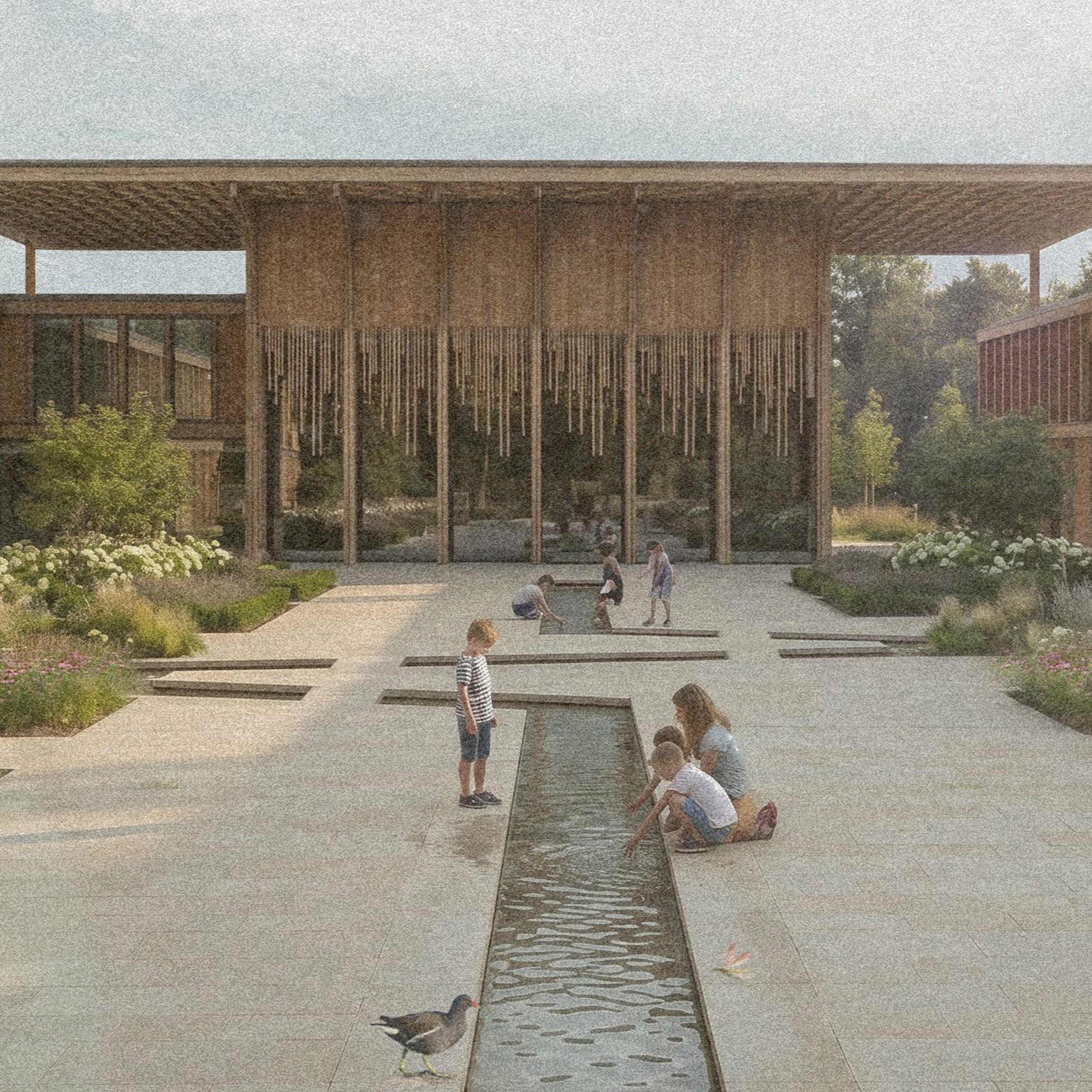
The 2026 RIAS Andrew Doolan Best Building in Scotland award shortlist underscores a growing trend in architecture: the imaginative reuse of historic structures. This year, three projects exemplify how adaptive reuse can breathe new life into old buildings, blending sustainability with modern functionality.
What Happened
The Royal Incorporation of Architects in Scotland (RIAS) has highlighted three projects for the 2026 RIAS Andrew Doolan Best Building in Scotland award, emphasizing the importance of reusing and restoring historic buildings. Among the contenders is the Edinburgh Futures Institute, a project by Bennetts Associates that transformed a Victorian hospital into a vibrant educational facility for the University of Edinburgh. This project now includes a 450-seat auditorium and various teaching spaces, preserving the building's historic integrity while providing modern amenities.
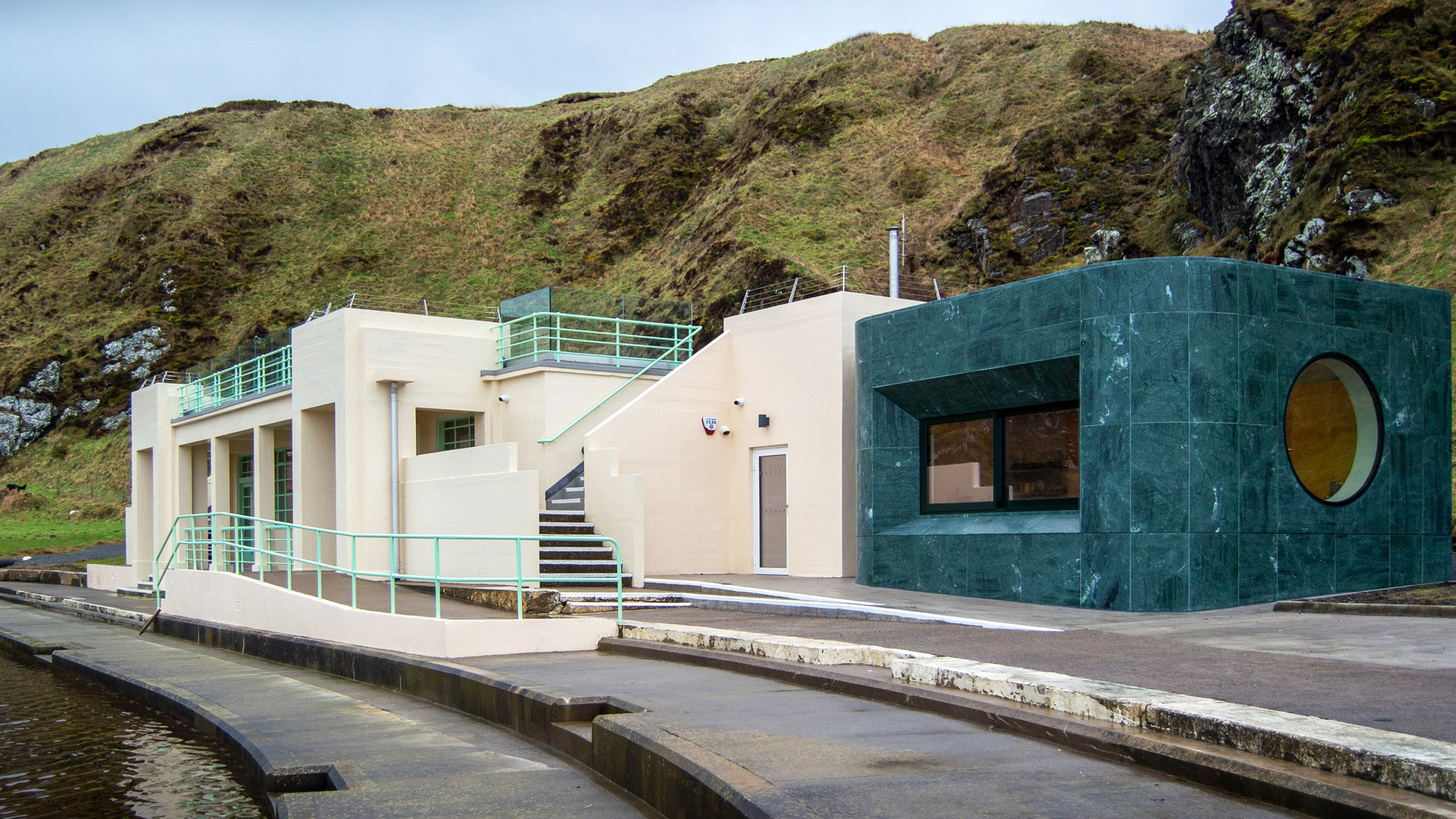
The shortlist also includes a restored pool pavilion in Aberdeenshire by Studio Octopi and a public library in Paisley housed in a previously dilapidated building, designed by Collective Architecture. Each project showcases a commitment to sustainable design and community-focused development, illustrating how architects can creatively adapt and reuse existing structures.
What This Means for Your Business
For AECM professionals, these projects serve as a blueprint for sustainable development strategies that align with growing demand for environmental responsibility. Adaptive reuse not only conserves resources but can also offer significant cost savings compared to new construction. These projects highlight opportunities for firms to leverage existing structures, potentially tapping into federal or local funding aimed at sustainability and historic preservation.
Moreover, the focus on community and collaboration in these projects aligns with broader architectural trends, where creating inclusive, multi-functional spaces is increasingly valued by both clients and regulators. Firms specializing in adaptive reuse may find a competitive edge in the market, as demand for such projects continues to rise.
What US Operators Should Watch
As the trend towards adaptive reuse gains momentum, US operators should monitor developments in federal sustainability initiatives that could impact funding and compliance requirements. Tracking upcoming deadlines for federal tax incentives related to historic preservation and energy efficiency can provide strategic advantages. Additionally, staying informed about state-level initiatives that support sustainable building practices will be crucial for maintaining a competitive position in the market.
Source: https://www.dezeen.com/2026/09/24/rias-andrew-doolan-2026/. Read the original story ->
Is your firm ready for what’s next?
VisioneerIT helps AECM and government contractors modernize operations, achieve compliance, and implement AI.
Explore VisioneerIT Solutions →