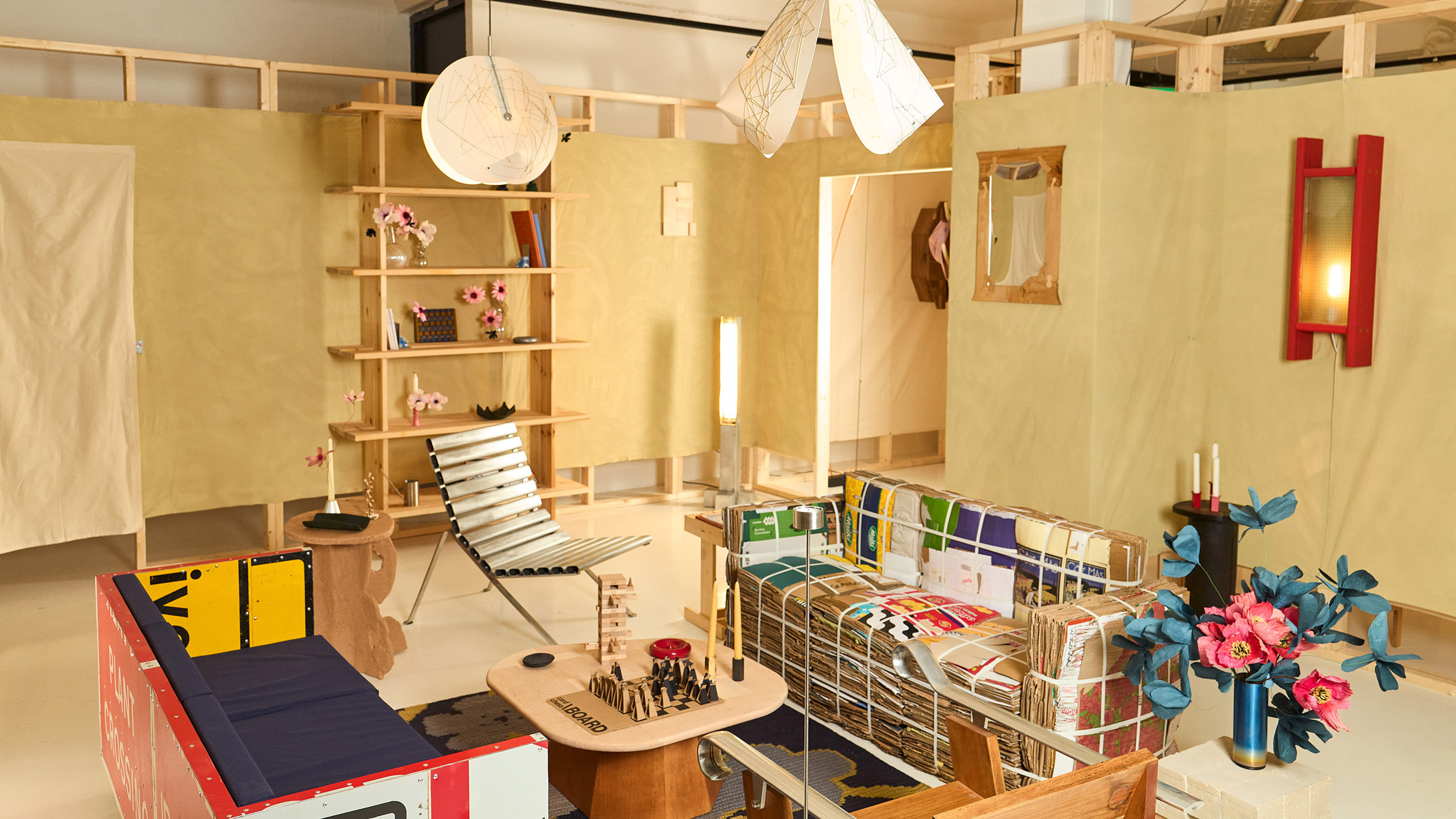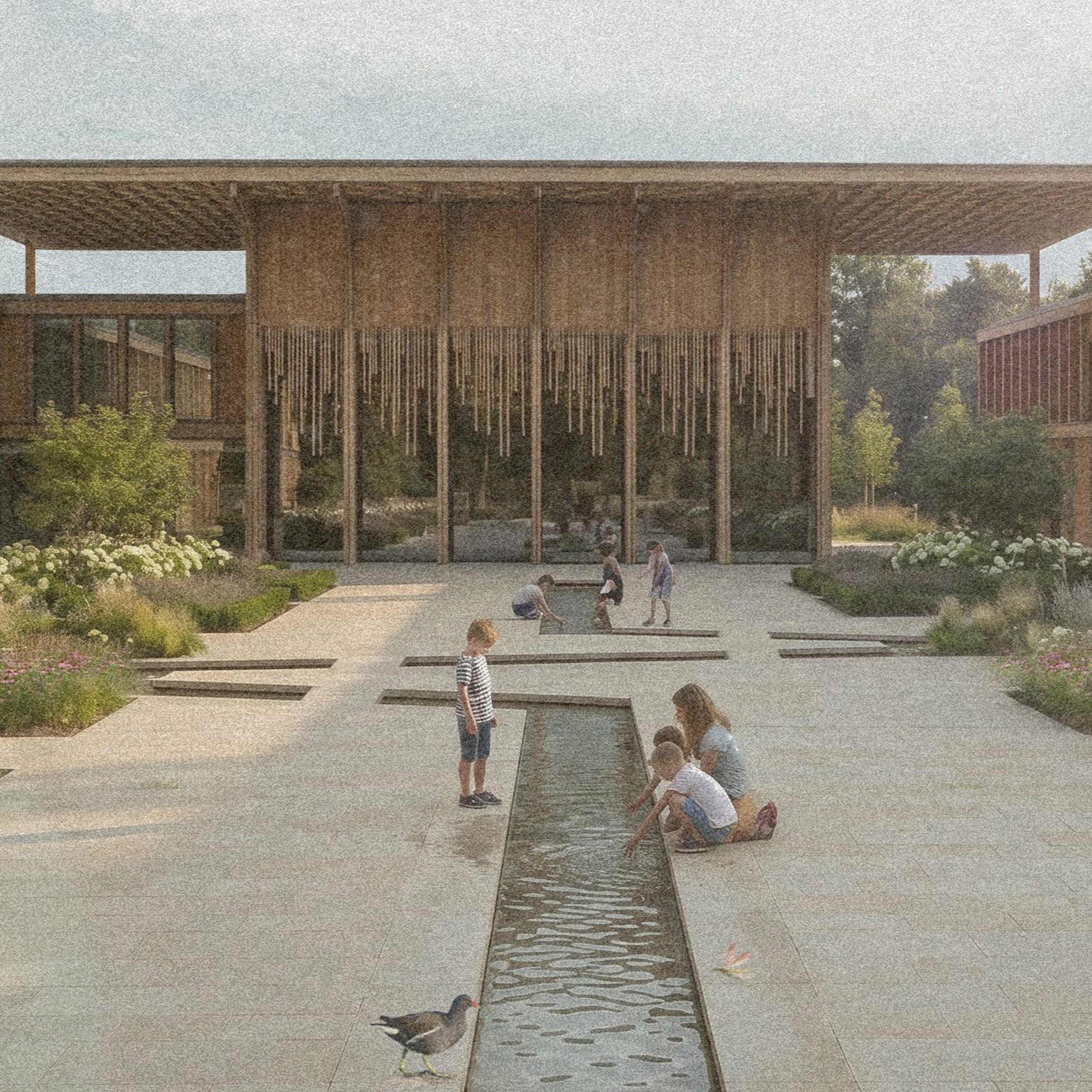
A new wave of architectural innovation is emerging from Cardiff University's Welsh School of Architecture. Among the standout projects is a nuclear education center set within the historic landscape of Stowe, UK. This initiative, along with others such as an ecology center and a community recycling hub, showcases the forward-thinking approach of the university's Master of Architecture (MArch) students, emphasizing sustainability and community engagement.
What Happened
Cardiff University's Welsh School of Architecture has unveiled a series of student projects that highlight the integration of sustainability, community, and innovative design. The nuclear education center, in particular, is designed as a learning hub that blends seamlessly with its historic surroundings, underscoring the importance of context-sensitive design. Other notable projects include a garden city proposal aiming to densify and decarbonize existing neighborhoods, and a timber skills center that leverages site-sourced materials and zero-waste principles.
These projects are part of the MArch program, which emphasizes a comprehensive education in architecture. The first year focuses on practical experience in architectural practices, while the second year is dedicated to research-led study and design thesis development. This approach equips students with the skills necessary to address contemporary architectural challenges.
What This Means for Your Business
For AECM professionals, these projects signal a growing trend towards sustainable and community-oriented design solutions. The focus on low-carbon and resource-efficient projects, such as the use of PassivHaus and EnerPhit standards, reflects a shift in industry priorities towards sustainability. Companies involved in construction and architecture should consider integrating these principles to remain competitive and compliant with evolving environmental regulations.
Furthermore, the emphasis on community engagement and local material sourcing presents opportunities for collaboration with local stakeholders and suppliers, potentially reducing costs and enhancing project acceptance. For government contractors, these projects align with federal sustainability goals, offering potential pathways for funding and partnerships.
What US Operators Should Watch
US operators should monitor developments in sustainable building standards and community-driven design approaches. The increasing importance of compliance with sustainability standards, such as CMMC and NIST, highlights the need for architectural firms to adapt to these frameworks. Additionally, staying informed about federal funding opportunities for sustainable projects can provide a competitive edge in securing contracts and enhancing ROI.
Source: Dezeen. Read the original story ->
Is your firm ready for what’s next?
VisioneerIT helps AECM and government contractors modernize operations, achieve compliance, and implement AI.
Explore VisioneerIT Solutions →