Schindler's recent expansion of its robotic elevator installation fleet marks a significant advancement in construction technology, highlighting the industry's shift towards automation. This development is crucial as construction projects increasingly face tighter deadlines and prioritize worker safety.
What Happened
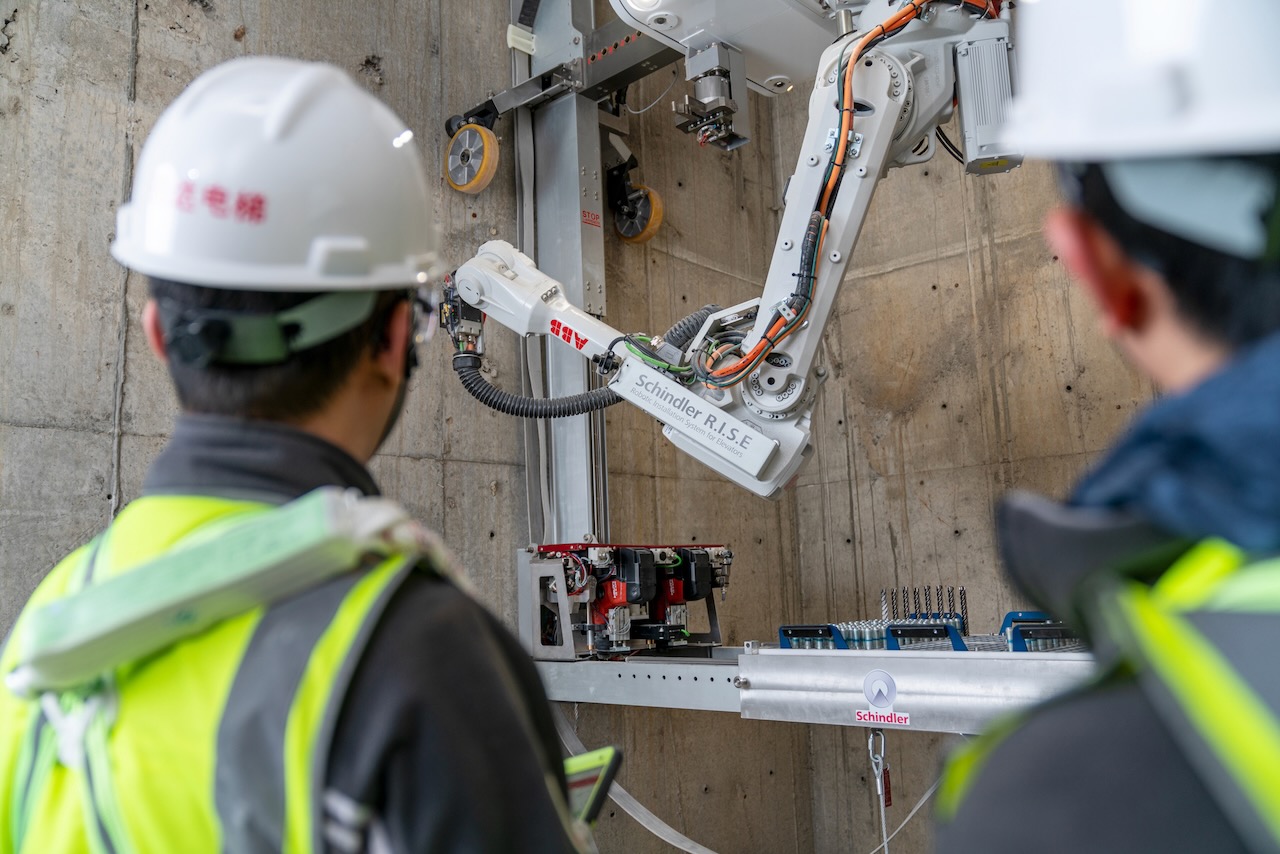
Schindler has augmented its R.I.S.E (Robotic Installation System for Elevators) fleet with two additional robots, bringing the total to seven. This strategic move aims to enhance safety, boost efficiency, and reduce the physical strain on laborers working in confined spaces. The R.I.S.E system has been deployed across 36 job sites globally, installing approximately 50,000 anchor bolts, a key structural component in elevator shafts. The robots have been utilized in countries such as Austria, Poland, India, the UK, Brazil, China, and Singapore. These robots are designed to measure positions, drill holes, and install anchor bolts with high precision, following a pre-uploaded digital work plan. This automation reduces exposure to noise and dust, common issues in traditional elevator installation.
What This Means for Your Business
The integration of robotic systems like Schindler R.I.S.E in construction projects presents significant implications for the AECM industry. For contractors, the adoption of such technology could mean a competitive advantage in bidding for projects with strict timelines and safety requirements. The precision and efficiency of robotic installations can lead to cost savings, reduced labor costs, and minimized project delays. Furthermore, these advancements align with compliance requirements for worker safety and operational efficiency, potentially influencing future procurement processes.
What US Operators Should Watch
US operators in the construction sector should monitor the rising adoption of robotic systems in building projects, particularly in high-rise and complex structures. As the technology becomes more prevalent, understanding its integration and operational benefits will be crucial. Decision-makers should also stay updated on potential federal funding opportunities that support technological innovation in construction. Additionally, tracking ad
Partner Insight · VisioneerIT
The expansion of Schindler's robotic elevator installation fleet underscores the importance of digital modernization in construction. VisioneerIT offers expertise in workflow automation and digital transformation strategy to enhance operational efficiency.
Explore VisioneerIT Cybersecurity →
Is your firm ready for what’s next?
VisioneerIT helps AECM and government contractors modernize operations, achieve compliance, and implement AI.
Explore VisioneerIT Solutions →