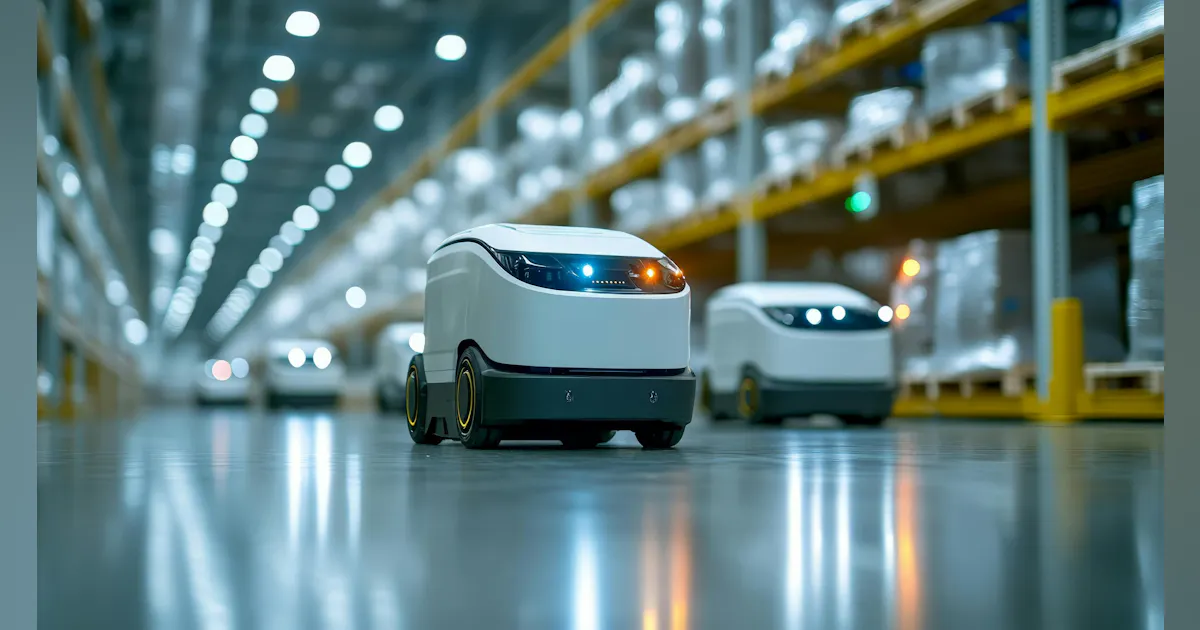
Warehouse operators are increasingly adopting robotic solutions, but scaling from pilot projects to full production remains a challenging leap. As the demand for efficient supply chain operations intensifies, understanding how to effectively scale robotic systems is crucial for maintaining competitive advantage.
What Happened
Warehouse robotics have proven their worth in pilot projects, offering increased efficiency, reduced labor costs, and enhanced operational capabilities. Yet, moving from pilot to full production requires a strategic approach. Key to this transition is the emphasis on flexibility, system integration, operational visibility, and continuous improvement. Successful pilots have demonstrated that these components are essential for scaling robotic operations without disrupting existing workflows.
According to industry insights, warehouse operators must prioritize the integration of robotic systems with existing technologies to ensure seamless operations. This involves not only the technical integration but also the alignment of business processes to support new automated workflows. Furthermore, operational visibility is critical; real-time data and analytics enable operators to monitor performance, identify bottlenecks, and implement improvements swiftly.
What This Means for Your Business
For AECM professionals, this evolution in warehouse robotics presents significant opportunities and challenges. The shift towards automation can lead to increased demand for construction and engineering services as facilities are retrofitted to accommodate new technologies. Companies involved in manufacturing robotic systems stand to benefit from increased orders as more warehouses move to full production.
However, the transition also brings compliance considerations. As warehouses adopt more advanced robotics, they must ensure adherence to cybersecurity standards such as the Cybersecurity Maturity Model Certification (CMMC) and NIST guidelines. This is particularly important as data security becomes increasingly critical with the integration of IoT and automated systems.
Federal funding opportunities may also arise as government entities seek to enhance supply chain resilience through automation. Companies that position themselves as leaders in robotic integration and compliance will likely see a favorable return on investment as they capitalize on these trends.
What US Operators Should Watch
US operators should monitor developments in federal regulations related to warehouse automation and robotics. Staying ahead of compliance requirements such as CMMC and NIST standards will be crucial as these guidelines evolve. Additionally, keeping an eye on procurement windows and funding opportunities for automation projects can provide a competitive edge.
As the industry continues to embrace robotics, companies that invest in scalable, integrated solutions will be well-positioned to lead the charge in warehouse efficiency and innovation.
Source: https://www.automationworld.com/factory/robotics/article/55418292/how-to-scale-warehouse-robotics-from-pilot-projects-to-full-production. Read the original story ->
Is your firm ready for what’s next?
VisioneerIT helps AECM and government contractors modernize operations, achieve compliance, and implement AI.
Explore VisioneerIT Solutions →