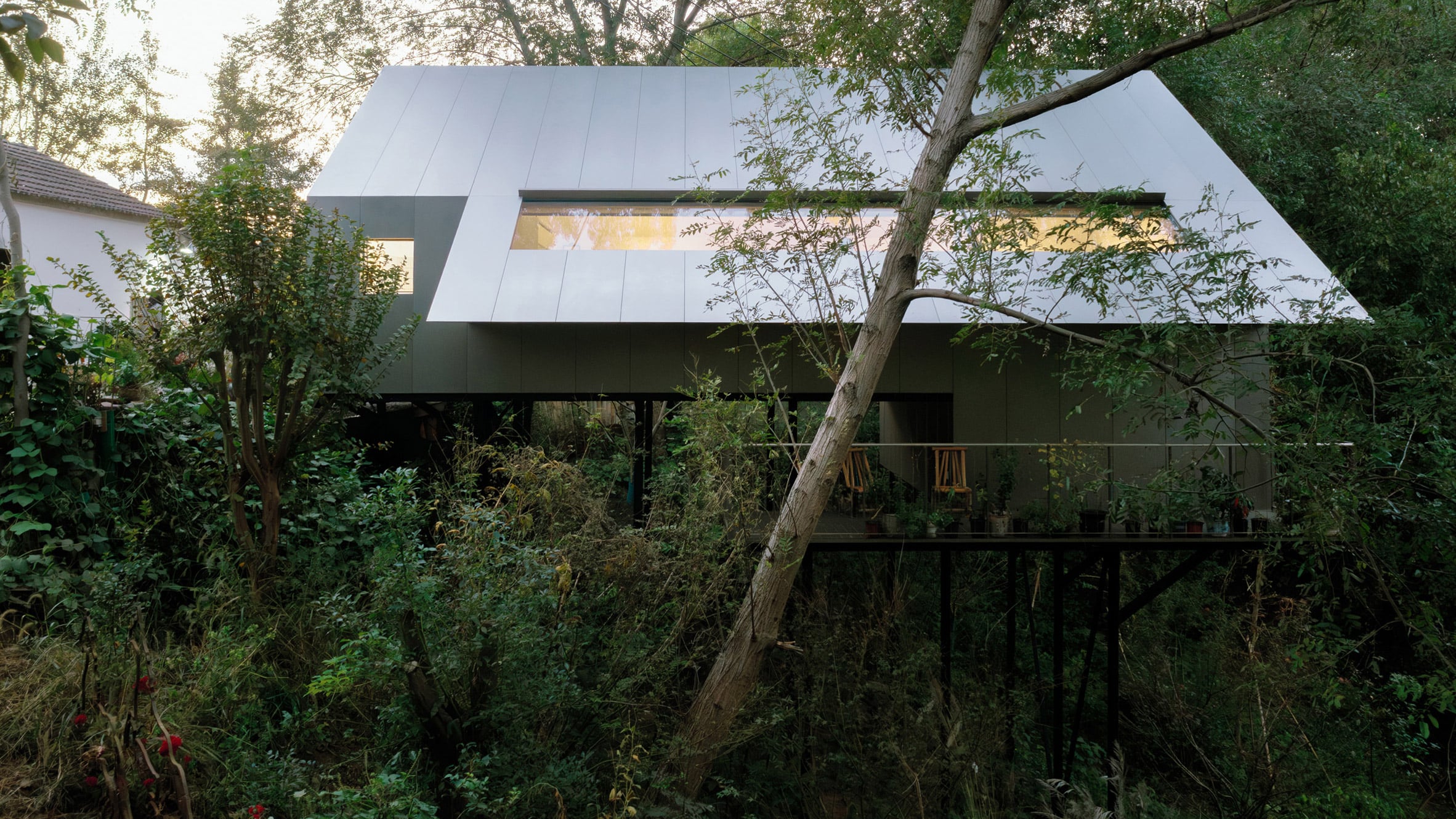
Jiang Deng Lu, a striking architectural feat, showcases the innovative use of salvaged materials by the Shisuo Design Office. Situated in rural Anhui, China, this house stands as a testament to sustainable design practices, utilizing stainless steel offcuts from the client's factory.
What Happened
Shisuo Design Office, an emerging force in architectural innovation, has completed Jiang Deng Lu, a home that embodies the principles of sustainability and resourcefulness. The project is located in Anhui province, a region known for its natural beauty and traditional architectural styles. The design team, led by Shisuo Design Office, opted for an unconventional approach by incorporating stainless steel offcuts, which were byproducts from the client's factory operations. This decision not only reduced waste but also resulted in a unique aesthetic, blending modern industrial elements with rural simplicity.
Stainless steel, known for its durability and resistance to corrosion, provided an ideal material for this project. By repurposing factory offcuts, the project not only cut costs significantly but also minimized environmental impact. The house's design features sleek, reflective surfaces that interact with the surrounding landscape, creating a "surreal" visual effect that captures attention. This approach aligns with global architectural trends that emphasize sustainability and the innovative reuse of materials.
What This Means for Your Business
For AECM professionals, the Jiang Deng Lu project exemplifies the growing trend of incorporating sustainability into design and construction processes. The use of salvaged materials not only aligns with environmental goals but also offers cost-saving opportunities. As sustainability becomes a more pressing concern in the industry, projects like this highlight the importance of creativity in material sourcing and design.
For companies involved in manufacturing and construction, this project underscores the potential of offcut materials as a viable resource. By integrating such materials into construction projects, businesses can reduce waste and achieve both economic and environmental benefits. This approach may also become increasingly relevant as regulations around resource efficiency and sustainability tighten globally.
What US Operators Should Watch
US operators should monitor the evolving landscape of sustainable building practices and the increasing regulatory focus on material reuse. While specific federal deadlines for sustainability measures may vary, the trend towards environmentally friendly design is clear. Companies should prepare for potential shifts in compliance requirements that could influence procurement strategies and material sourcing decisions.
Adopting practices similar to those demonstrated in the Jiang Deng Lu project could position companies competitively in the market, particularly as clients and regulators prioritize sustainability. Additionally, staying informed about developments in material science and sustainable design can provide strategic advantages in bidding for government contracts and responding to client demands for eco-friendly solutions.
Is your firm ready for what’s next?
VisioneerIT helps AECM and government contractors modernize operations, achieve compliance, and implement AI.
Explore VisioneerIT Solutions →