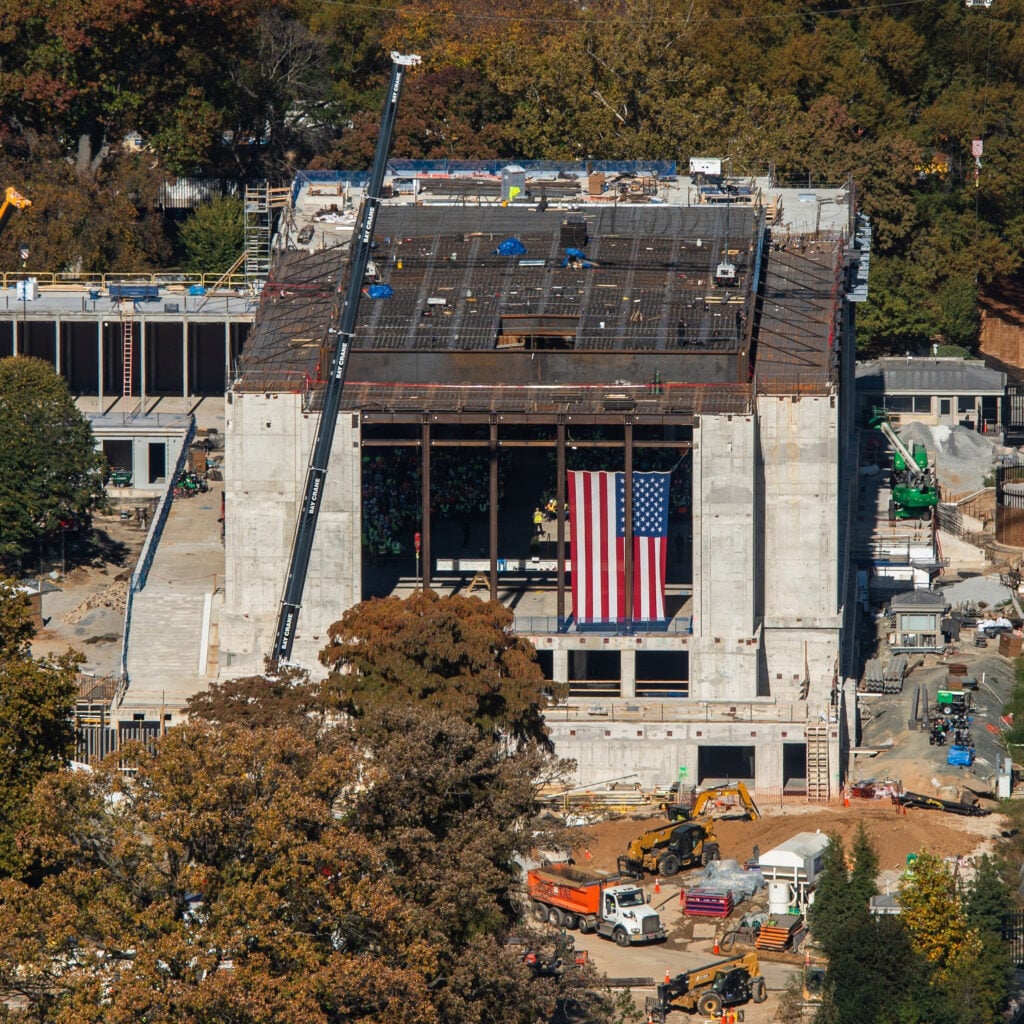
Earlier this month, the final structural steel beam was placed atop the new ballroom and military bunker at the White House, a project initiated during Donald Trump's presidency. This development has sparked a wave of criticism from political figures and architectural experts, with concerns focusing on the scale and purpose of the construction.
What Happened
The new White House ballroom and military bunker, a project conceived under former President Donald Trump, has reached a significant construction milestone. On November 16, 2026, the final structural steel beam was placed, marking the topping out of the controversial project. The ballroom, designed to accommodate large gatherings, and the military bunker, intended for secure communications and shelter, have drawn criticism for their perceived excessive scale. Critics argue that the expansion reflects an unnecessary use of resources and space, particularly given the historic and symbolic nature of the White House.
What This Means for Your Business
For those in the architecture, engineering, and construction (AECM) sectors, this development highlights the ongoing opportunities and challenges involved in government contracting and high-profile projects. The White House ballroom project underscores the importance of navigating public scrutiny and political implications when engaged in federally funded or politically sensitive projects. AECM professionals must carefully balance design considerations with public and governmental expectations, ensuring compliance with federal standards while maintaining project integrity. With increased focus on government spending and project justification, contractors must be prepared for heightened accountability and potential criticism.
What US Operators Should Watch
AECM professionals should monitor upcoming federal procurement opportunities, especially those involving significant government buildings or infrastructure. As the debate around the White House ballroom project continues, federal agencies may reassess their approach to large-scale construction projects, potentially impacting future bidding processes and compliance requirements. Keeping abreast of changes in federal regulations, such as updates to the Federal Acquisition Regulation (FAR) or shifts in priorities under new administrations, will be crucial for maintaining competitive positioning and securing government contracts.
Source: https://www.dezeen.com/2026/11/16/white-house-ballroom-topping-out/. Read the original story ->
Partner Insight · VisioneerIT
The ongoing developments in high-profile projects like the White House ballroom highlight the complexities of navigating government contracts and compliance. VisioneerIT provides essential support for technology companies aiming to secure federal contracts and meet compliance standards.
Explore VisioneerIT Cybersecurity →
Is your firm ready for what’s next?
VisioneerIT helps AECM and government contractors modernize operations, achieve compliance, and implement AI.
Explore VisioneerIT Solutions →