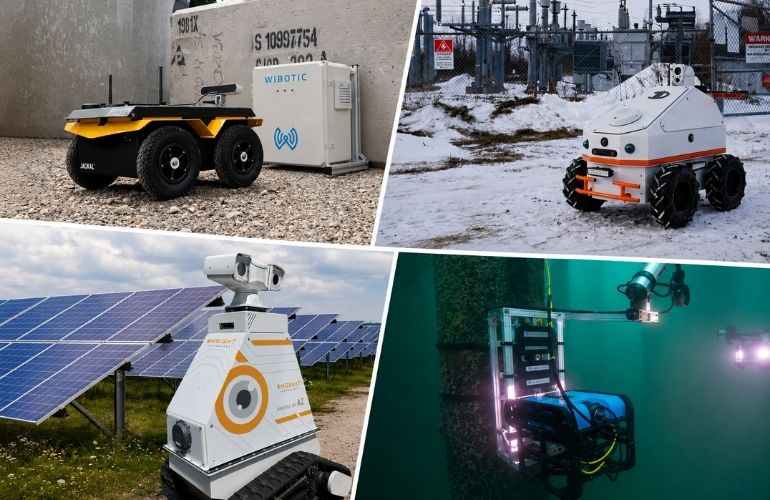
As robotics technology ventures beyond the confines of predictable settings, ruggedized design is emerging as a critical factor for ensuring reliable operations in challenging environments. This shift is pivotal as autonomous mobile robots become increasingly deployed in outdoor and semi-structured environments, such as construction sites, agricultural fields, and distribution yards.
What Happened
Robotic systems, once comfortably operating within the controlled environments of warehouses and manufacturing floors, are now being tasked with navigating more unpredictable and harsh conditions. As autonomy in robotics expands, the need for robots to function in environments with dust, moisture, extreme temperatures, and uneven terrains becomes imperative. The industry is recognizing that these elements are no longer exceptional cases but represent normal operating conditions for modern deployments.
Historically, ruggedized design was primarily associated with military and specialized industrial equipment. Today, however, commercial robotics manufacturers are adopting these robust design principles to ensure their systems can withstand environmental stresses and maintain high operational uptime. This transition is largely driven by the demand for longer operational windows, higher utilization rates, and reduced human intervention.
A critical component of this evolution is the integration of ruggedized power infrastructure. Charging systems, often an overlooked element, are being reimagined to withstand the same environmental challenges as the robots they support. For instance, the WiBotic OC-1000-WP exemplifies the move towards integrated, durable charging solutions that incorporate wireless and plug-in capabilities, remote monitoring, and environmental protections.
What This Means for Your Business
For businesses in the AECM industries, the implications are significant. The adoption of ruggedized robotics can enhance productivity by minimizing downtime and reducing maintenance costs. For government contractors, particularly those involved in construction and infrastructure projects, investing in robust robotics platforms can lead to more efficient operations in challenging field environments.
Furthermore, the shift towards ruggedized systems underscores the importance of evaluating entire robotic platforms, including power and charging infrastructures, as integral to overall operational success. Companies should consider the long-term ROI of investing in systems designed for durability and reliability in unpredictable conditions.
What US Operators Should Watch
Decision-makers should monitor advancements in ruggedized robotics technology and evaluate how these developments can be integrated into their current operations. As the industry continues to evolve, staying informed about new ruggedized solutions and their potential applications will be crucial.
Moreover, operators should keep an eye on procurement opportunities that support the acquisition of these advanced systems, as well as any federal funding initiatives aimed at promoting innovation in autonomous robotics. Understanding the timelines for these opportunities will be essential for strategic planning and competitive positioning.
Source: https://www.therobotreport.com/in-robotics-ruggedization-is-no-longer-optional/. Read the original story ->
Is your firm ready for what’s next?
VisioneerIT helps AECM and government contractors modernize operations, achieve compliance, and implement AI.
Explore VisioneerIT Solutions →