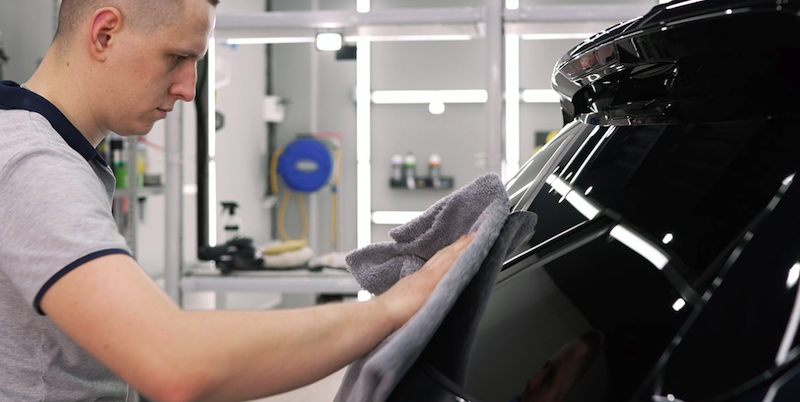
Advanced robotics and automation are fundamentally transforming the vehicle collision repair industry, which now incorporates state-of-the-art technology to enhance repair precision and efficiency. The shift towards high-tech solutions is critical as modern vehicles become more complex with the integration of smart electronics and sensors.
What Happened
The collision repair industry is undergoing a significant technological transition. Traditional repair methods are being replaced by advanced robotics, automated systems, and precision tools. Collision centers across the United States, from Houston to New York, are now employing computerized frame alignment systems, robotic paint matching, and digital diagnostics to repair modern vehicles. These innovations are crucial in maintaining the integrity of complex systems within vehicles, such as Advanced Driver Assistance Systems (ADAS), which include lane-keeping assistance, automatic braking, and collision detection mechanisms.
A key development in this transformation is the use of advanced diagnostics. Modern vehicles generate vast amounts of data, which can be read by sophisticated diagnostic tools to identify and address damage that might not be visible to the naked eye. Pre-repair and post-repair scanning have become standard practices, ensuring that critical systems like airbags and electronic units function correctly after repairs. Additionally, the integration of OEM (Original Equipment Manufacturer) data ensures that all repairs adhere to factory specifications, reducing errors and prolonging the vehicle's lifespan.
Why It Matters for the AECM Industry
This technological evolution in vehicle repair has significant implications for the Architecture, Engineering, Construction, and Manufacturing (AECM) industry. The demand for precision and adherence to OEM standards increases the need for skilled technicians and engineers who can operate these advanced systems. This requirement opens new opportunities for training and education within the industry, emphasizing the importance of continuous learning and adaptation to new technologies.
The integration of AI and robotics also impacts the supply chain and manufacturing processes. The need for specialized tools and equipment can drive innovation and growth in related sectors, including manufacturing precision tools and developing software solutions for diagnostics and repair management. Furthermore, the emphasis on safety and efficiency can lead to stricter regulatory standards, influencing construction and engineering practices related to automotive infrastructure.
What's Next
As the industry continues to evolve, professionals should anticipate further advancements in AI and automation technologies. Upcoming milestones may include the development of more sophisticated AI systems capable of predicting repair needs and optimizing workflows. The industry can also expect increased collaboration between repair centers, insurance companies, and OEMs to streamline processes and improve customer satisfaction.
Professionals in the AECM industry should watch for policy updates and training programs that address the growing need for expertise in these advanced technologies. Staying informed about technological trends and regulatory changes will be crucial for maintaining a competitive edge in the rapidly evolving vehicle repair landscape.
Is your firm ready for what’s next?
VisioneerIT helps AECM and government contractors modernize operations, achieve compliance, and implement AI.
Explore VisioneerIT Solutions →