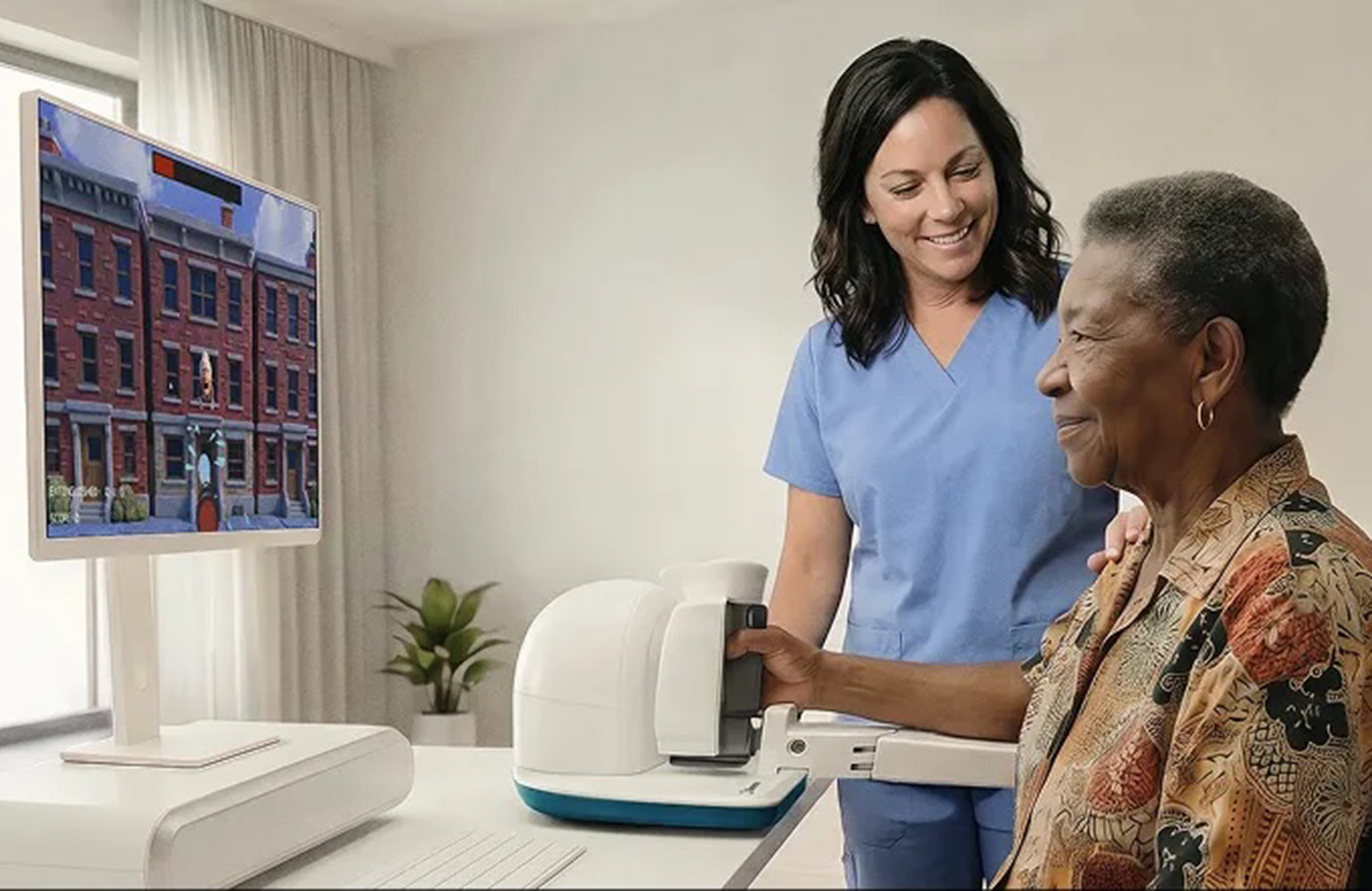
Robotics is transforming stroke rehabilitation by integrating innovative technologies like AI and error augmentation, revolutionizing traditional therapy methods. This development is crucial for AECM professionals as it may lead to new construction and engineering demands in healthcare facilities.
What Happened
Robotic rehabilitation systems are increasingly utilized in stroke recovery, offering a new dimension to traditional therapy methods. Bioxtreme’s Plaxtreme system, for example, employs error augmentation-based technology for upper limb rehabilitation. This system amplifies movement errors to help the brain recognize and correct dysfunctional patterns, enhancing neuroplasticity—the brain’s ability to reorganize itself after an injury. Robotics can guide patients through controlled, repeatable movements, increasing the intensity and frequency of therapy sessions. These systems use adaptive resistance and feedback mechanisms to make errors more detectable, thereby reinforcing motor learning and accelerating neuroplasticity. The integration of AI in these systems allows for personalized therapy, catering to the unique recovery needs of each patient.
What This Means for Your Business
The integration of robotics and AI in stroke rehabilitation represents a significant shift in healthcare delivery, with potential implications for AECM professionals. As demand for advanced rehabilitation facilities grows, construction and engineering firms may find new opportunities in designing and building specialized healthcare environments equipped to support robotic therapy systems. Moreover, the use of AI-driven therapy could lead to increased procurement of robotics and AI technologies, impacting supply chains and manufacturing processes. For government contractors, this trend could translate into new contracts and funding opportunities as healthcare infrastructure adapts to incorporate these technologies.
What US Operators Should Watch
AECM professionals should monitor developments in healthcare regulations and funding related to robotic rehabilitation technologies. As these systems become more prevalent, procurement windows for robotics and AI solutions will likely expand. Compliance requirements may also evolve, particularly concerning the integration of AI in healthcare settings. Staying informed on these changes will be crucial for maintaining competitive positioning and leveraging new business opportunities.
Source: https://www.therobotreport.com/how-robotics-is-revolutionizing-stroke-rehabilitation/. Read the original story ->
Is your firm ready for what’s next?
VisioneerIT helps AECM and government contractors modernize operations, achieve compliance, and implement AI.
Explore VisioneerIT Solutions →