Orbbec's recent insights into the challenges of robotic vision highlight a pivotal issue for the architecture, engineering, construction, and manufacturing (AECM) sectors. While robots may perform seamlessly in controlled environments, real-world conditions present significant hurdles, impacting their effectiveness in dynamic and unpredictable settings.
What Happened
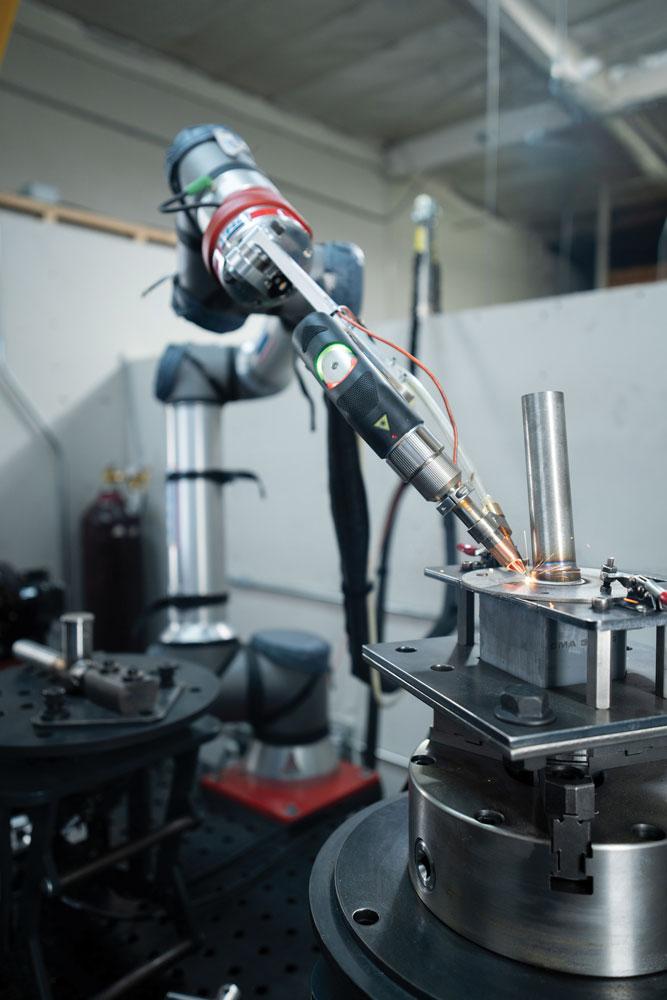
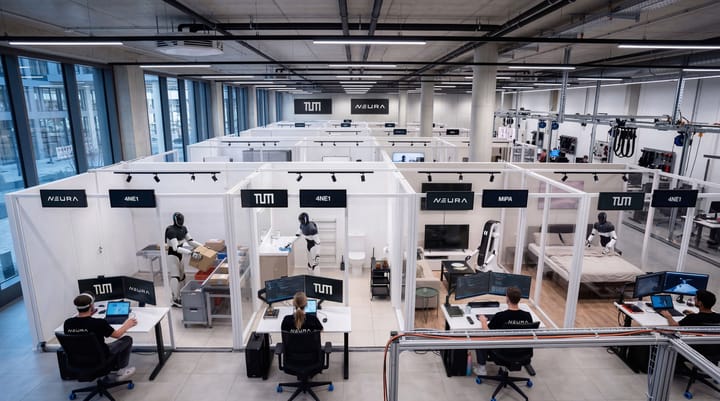
Orbbec, a leading provider of camera solutions for robotic perception, has identified a persistent gap between robotic performance in demo environments and real-world applications. During demonstrations, robots operate in controlled conditions where lighting, object positions, and backgrounds are optimized. However, once deployed in environments such as warehouses, hospitals, and manufacturing floors, robots encounter variables like shifting light, reflective surfaces, and moving people. These factors can significantly degrade their operational reliability.
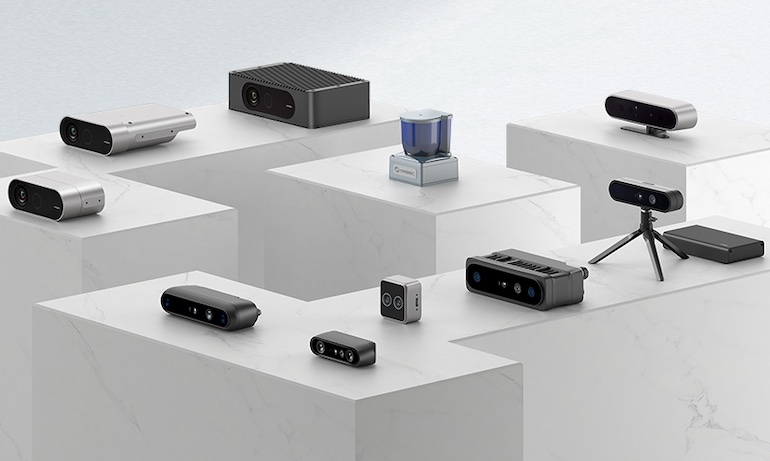
The limitations of traditional 2D cameras, which cannot measure depth, are becoming increasingly apparent. While 2D images offer value in recognition and inspection, they fall short in providing the spatial measurements necessary for complex tasks. As a result, the industry is turning to 3D vision systems, depth cameras, and sensor fusion technologies to bridge the gap. Yet, each sensing technology—whether structured light, stereo vision, or time-of-flight (ToF)—comes with its own set of challenges and limitations.
Why It Matters for the AECM Industry
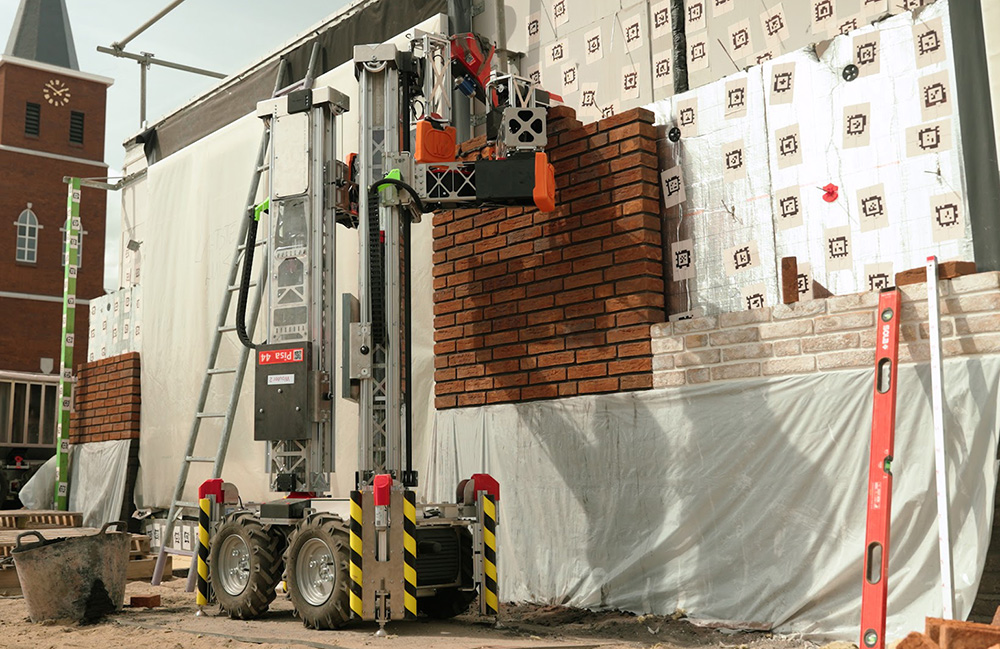
For the AECM industry, the deployment of reliable robotic systems can lead to significant improvements in cost efficiency, safety, and productivity. However, the current challenges in robotic vision mean that projects could face delays, increased costs, and safety risks due to unreliable robotic performance. These issues are particularly critical in environments where precision and adaptability are essential, such as in construction sites or complex manufacturing processes.
Moreover, the choice of sensing technology impacts not only the initial deployment costs but also ongoing operational efficiency. Selecting the appropriate technology based on the specific needs of the task, including lighting conditions, material properties, and movement dynamics, is crucial. A misstep in this decision-making process could result in increased maintenance costs and the need for frequent recalibrations, ultimately affecting project timelines and budgets.
What's Next
The industry must continue to innovate and adapt to overcome these challenges.
Is your firm ready for what’s next?
VisioneerIT helps AECM and government contractors modernize operations, achieve compliance, and implement AI.
Explore VisioneerIT Solutions →