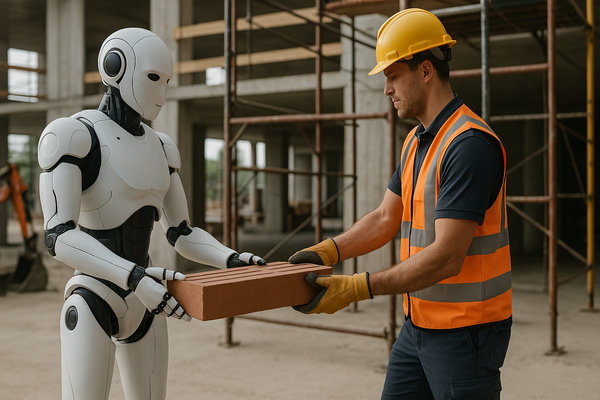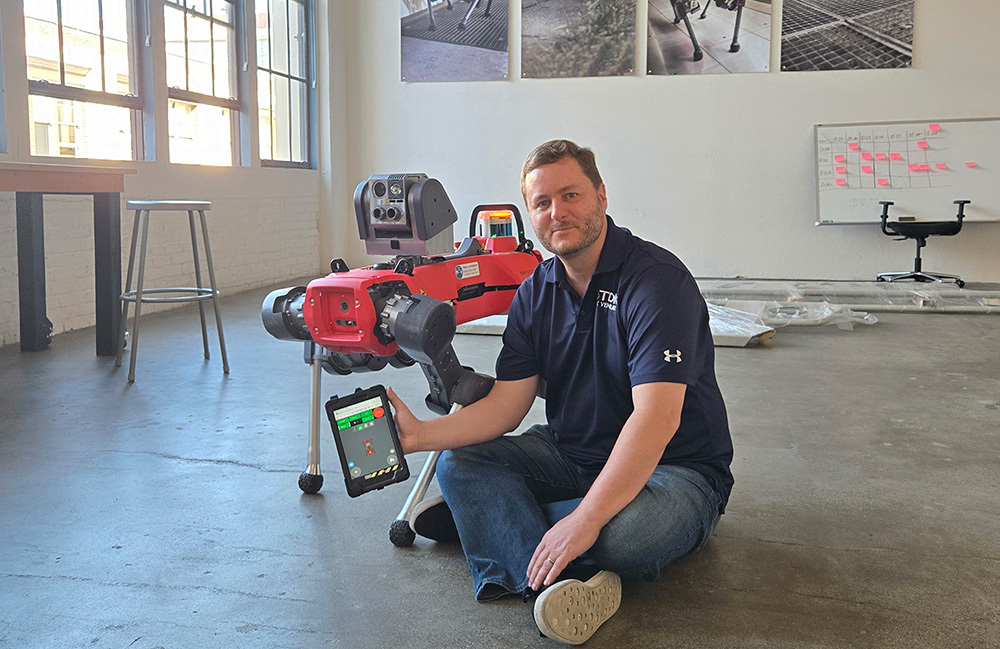
Robotic dexterity is emerging as a critical bottleneck in the deployment of physical AI systems, especially in sectors like construction and manufacturing where precision and reliability are paramount. As robots become more integrated into workflows, their ability to handle diverse and dynamic tasks autonomously is being tested. This challenge is not just about improving hardware but creating systems that can learn and adapt, transforming capabilities into reliable, useful work.
What Happened
Recent insights from TDK Ventures highlight the complexities of robotic dexterity, revealing that while robots can perform tasks in controlled environments, their real-world deployment faces significant hurdles. A robot that boasts a 99% success rate in individual actions might still struggle in practical applications, where a sequence of 100 actions is required. The probability of flawlessly completing all tasks drops to just 36.6% at this rate. Increasing the success rate to 99.99% boosts this probability to 99.0%, underscoring the exponential impact of minor improvements in reliability. This has become a focal point for developers aiming to make robots viable for autonomous deployment without constant human oversight.
What This Means for Your Business
For businesses in the AECM industry, the implications of robotic dexterity are vast. As robotic systems become more integrated, the focus will shift from mere hardware capabilities to system-wide reliability and adaptability. This means that procurement strategies must consider not only the initial purchase cost but also the long-term reliability and adaptability of robotic systems. Companies that invest in systems capable of learning and improving through deployment will likely see better returns on investment as these systems reduce operational disruptions and enhance workflow efficiency. Moreover, aligning with suppliers who prioritize these aspects can provide a competitive edge in securing government contracts and federal funding, as federal entities increasingly value innovation and efficiency in procurement.
What US Operators Should Watch
US operators should closely monitor advancements in robotic learning systems and the integration of dexterity improvements. Key timelines to watch include updates to the National Institute of Standards and Technology (NIST) guidelines, which may soon reflect the growing importance of robotic dexterity in safety and performance standards. Additionally, keeping an eye on the evolving landscape of CMMC compliance could be crucial, as these frameworks might incorporate more stringent requirements for robotic system reliability. These developments will influence procurement cycles and compliance strategies, making it essential for decision-makers to stay informed about the latest trends and technological breakthroughs.
Source: https://www.therobotreport.com/why-dexterity-is-physical-ai-real-bottleneck/. Read the original story ->
Partner Insight · VisioneerIT
The integration of robotic systems into workflows highlights the need for robust software solutions that can adapt and improve over time. VisioneerIT specializes in modernizing legacy systems and developing enterprise-grade software to support these advancements.
Explore VisioneerIT Cybersecurity →
Is your firm ready for what’s next?
VisioneerIT helps AECM and government contractors modernize operations, achieve compliance, and implement AI.
Explore VisioneerIT Solutions →