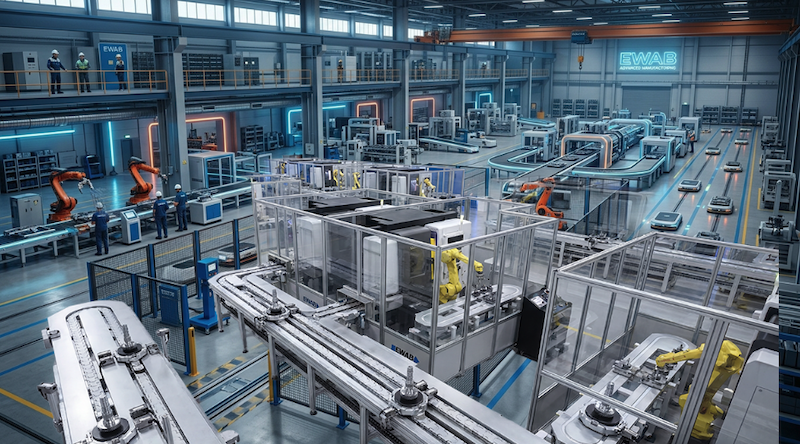
Robot cells and machine tending solutions are at the forefront of transforming manufacturing operations, offering unprecedented efficiency and adaptability. As manufacturers face increasing demands for higher throughput and quality, the integration of these technologies is crucial for maintaining competitiveness in today's fast-paced industrial landscape.
What Happened
Robot cells have transitioned from niche applications to mainstream solutions in various manufacturing settings. These programmable systems, designed for tasks like machine loading, material handling, and assembly, are reducing the need for manual intervention and decreasing error rates. The integration of robotics into production lines enhances throughput and consistency, allowing for quick adaptation to changing production requirements. Advanced sensors and artificial intelligence capabilities equip modern robot cells to tackle complex tasks with minimal supervision. They can adjust to variations in part dimensions, automatically manage grip pressure, and predict maintenance needs, moving beyond simple pick-and-place operations to more sophisticated material handling.
Machine tending solutions complement robot cells by ensuring continuous and reliable production cycles. These automated solutions handle raw material loading, machine operation, finished goods unloading, and component inspection with minimal human intervention. The synergy between robot cells and machine tending ensures an uninterrupted workflow and increased productivity on the shop floor.
Why It Matters for the AECM Industry
The adoption of robot cells and machine tending solutions impacts the AECM industry significantly by addressing longstanding production bottlenecks and elevating quality standards. By reducing manual intervention, manufacturers can lower labor costs and mitigate risks associated with human error. The flexibility of these systems supports diverse product variants and smaller order sizes without extensive downtime or reconfiguration, a crucial advantage in a market that demands rapid responsiveness.
Furthermore, the integration of advanced sensors and AI-driven capabilities enhances operational insight, allowing manufacturers to optimize performance and predict maintenance needs, thus reducing unexpected downtime. This shift towards more
Is your firm ready for what’s next?
VisioneerIT helps AECM and government contractors modernize operations, achieve compliance, and implement AI.
Explore VisioneerIT Solutions →