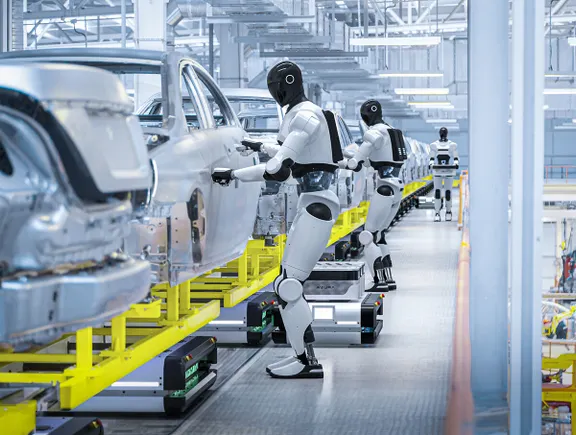
Aiolys' Sergei Altynbaev delves into the pivotal decision many manufacturing and industrial firms face today: whether to retrofit existing machinery or replace it entirely as automation technologies mature. As automation continues to reshape industries, the choice between retrofitting and replacing equipment can significantly impact operational efficiency, cost management, and technological advancement.
What Happened
The ongoing evolution of automation presents a critical crossroads for manufacturing firms: upgrade existing systems through retrofitting or invest in entirely new machinery. Sergei Altynbaev of Aiolys highlights that retrofitting allows companies to enhance current equipment with the latest technological advancements, often at a lower cost than full replacement. This approach can extend the lifespan of machinery and reduce initial capital expenditure. On the other hand, replacing machinery can offer the latest in automation technology, potentially leading to greater long-term efficiencies and performance improvements.
What This Means for Your Business
For businesses operating in the AECM sectors, this decision carries significant implications. Retrofitting can be a cost-effective strategy, allowing companies to integrate new technologies such as AI and machine learning into existing systems, which is particularly appealing for firms focused on reducing upfront costs. This approach aligns with current trends in sustainability, as it minimizes waste and maximizes the utility of existing resources. Nevertheless, the replacement of machinery might be necessary in cases where the existing equipment is outdated or unable to meet the demands of modern automation standards. Companies must weigh the benefits of enhanced capabilities and potential for increased productivity against the higher initial investment costs.
What US Operators Should Watch
Decision-makers must stay informed about federal funding opportunities and tax incentives that could influence the financial viability of retrofitting versus replacing. Additionally, keeping abreast of compliance requirements, such as the Cybersecurity Maturity Model Certification (CMMC) and NIST standards, is crucial. These regulations could impact the decision to retrofit or replace, particularly if existing systems are not compliant with new cybersecurity mandates. As the landscape of industrial automation continues to evolve, businesses should monitor technological advancements and market trends to ensure their operations remain competitive and compliant.
Source: https://www.automationworld.com/factory/plant-maintenance/podcast/55408101/retrofit-vs-replace-for-your-next-automation-initiative. Read the original story ->
Is your firm ready for what’s next?
VisioneerIT helps AECM and government contractors modernize operations, achieve compliance, and implement AI.
Explore VisioneerIT Solutions →