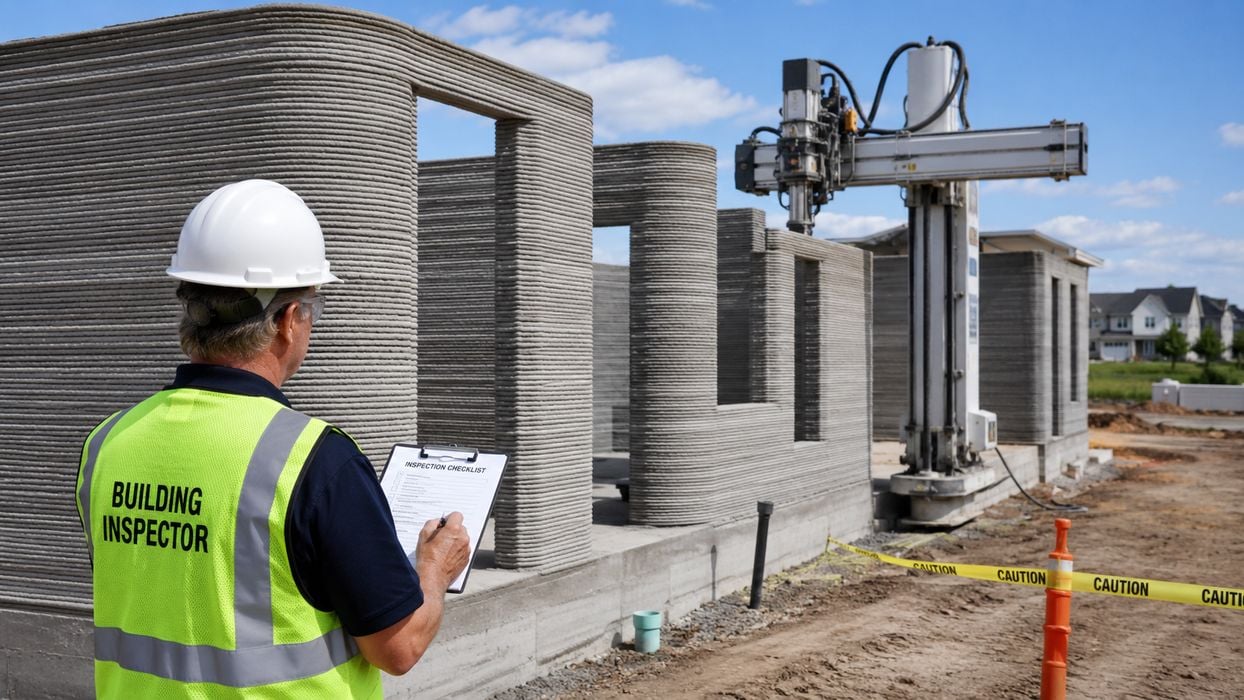
3D printed construction, or 3DCP, stands at a crucial juncture where regulatory frameworks will significantly influence its trajectory. As industry stakeholders observe the potential for transformative change, the pressing question remains: will building authorities provide the necessary approvals?
What Happened
3DCP has captured attention with its compelling visual appeal, where large-scale gantries and robotic systems extrude concrete-like materials layer by layer to form structures. Despite the allure and investment interest, regulatory acceptance has been a hurdle. Most North American projects have navigated approval through alternative means and methods provisions in building codes. This approach requires applicants to demonstrate that their methods meet code intentions, although not explicitly described, which is labor-intensive and lacks scalability. A significant development is the introduction of standards like ICC-ES AC509 and ICC 1150-2026 by the International Code Council, offering a more consistent basis for evaluating 3D printed wall systems. These standards aim to transition the industry from reliance on test house trust to adherence to recognized criteria. In 2022, Montana approved a 3D printed wall system as a substitute for traditional concrete masonry units, marking a step toward broader acceptance.
What This Means for Your Business
For contractors and developers, the shift toward regulatory predictability is pivotal. The adoption of standards like ICC 1150-2026 can streamline the approval process, facilitating repeatable and predictable project execution. This regulatory clarity can accelerate the integration of 3DCP into mainstream construction, offering a competitive edge to early adopters. Vendors must provide comprehensive construction systems, encompassing material, printer, wall geometry, and reinforcement methods, to align with these standards. This alignment could lead to significant cost savings and improved ROI by reducing the time and resources spent on gaining project approvals.
What US Operators Should Watch
Stakeholders should monitor developments in building code standards, particularly the adoption and enforcement of ICC 1150-2026 across jurisdictions. Understanding local regulatory landscapes will be crucial for leveraging 3DCP technology effectively. Keeping abreast of federal funding opportunities for innovative construction methods can also provide financial incentives for adopting 3DCP. Furthermore, aligning with compliance requirements will ensure smoother project execution and acceptance.
Source: Fabbaloo. Read the original story ->
Is your firm ready for what’s next?
VisioneerIT helps AECM and government contractors modernize operations, achieve compliance, and implement AI.
Explore VisioneerIT Solutions →