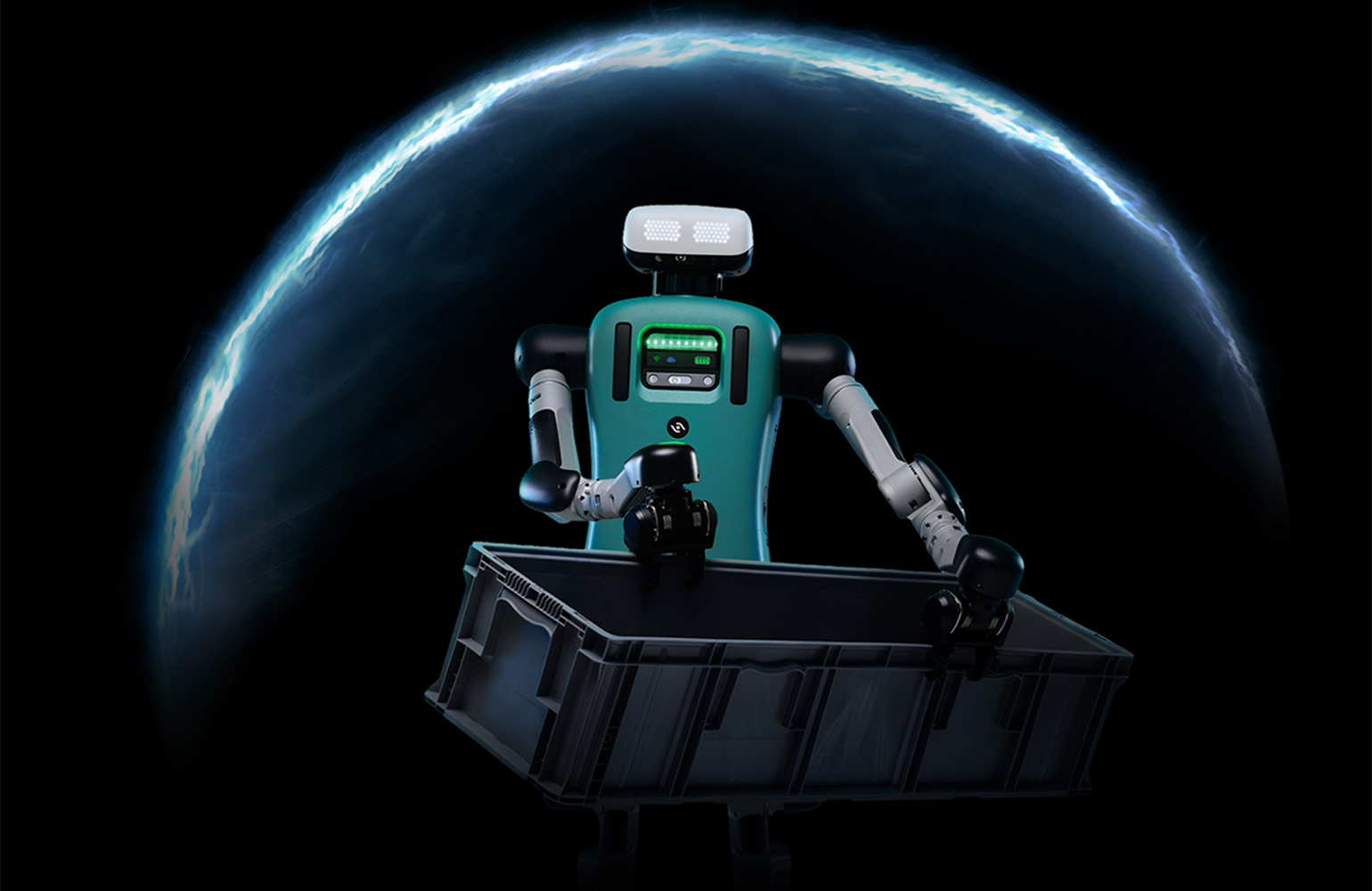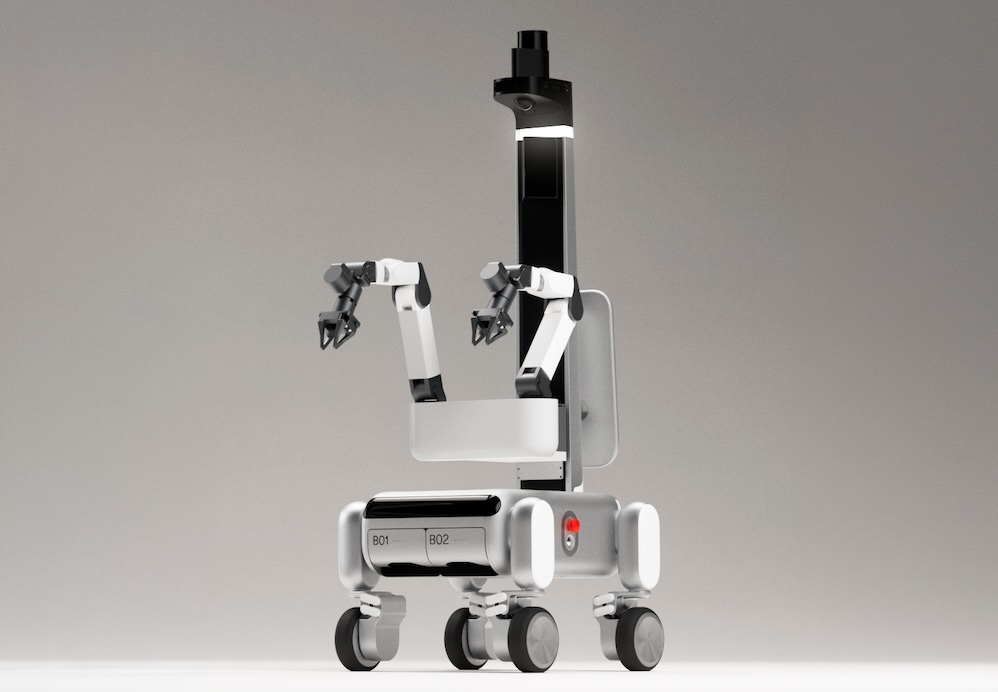
Collaborative Robotics has launched the second-generation Proxie mobile robot, integrating advanced features like autonomous task identification and bimanual manipulation. This development is significant for industries like healthcare, logistics, and manufacturing, where efficiency and adaptability are paramount.
What Happened
On the heels of extensive field testing, Collaborative Robotics introduced the Proxie Gen 2 at Automate 2026. This new iteration boasts enhanced payload capacity and self-swapping batteries, in addition to a revolutionary autotasking capability. The robot's dual-arm manipulation allows it to handle complex tasks in dynamic environments, streamlining operations in hospitals, laboratories, and logistics centers.
Collaborative Robotics, based in Santa Clara, California, has spent two years refining the Proxie platform. During this period, 28 robots have accumulated nearly 13,000 operating hours, traversed over 22,000 miles, and moved more than 154,000 carts. This hands-on approach has provided invaluable insights, leading to a redesign that incorporates 40% fewer parts and increased strength, allowing the robot to move carts weighing up to 1,500 lbs and lift up to 220 lbs.
One of the standout deployments has been at the Mayo Clinic, where Proxie supports various workflows, from laboratory operations to medical equipment handling. The lessons learned from these deployments have informed nearly every aspect of the Gen 2 redesign, enhancing both reliability and manufacturability.
What This Means for Your Business
For businesses in the AECM sector, the introduction of Proxie Gen 2 presents a transformative opportunity to enhance operational efficiency. The autotasking feature reduces the need for complex system integrations, lowering deployment costs and simplifying operations. This advancement can significantly impact procurement strategies, offering a more cost-effective solution for automating material handling and logistics tasks.
The robot's ability to autonomously identify and execute tasks without human input or integration with existing management systems represents a leap forward in automation technology. This can lead to improved ROI by minimizing human error and reducing labor costs, a critical factor for competitive positioning in manufacturing and logistics.
What US Operators Should Watch
Operators should monitor the rollout of Proxie Gen 2, particularly in sectors where efficiency gains can translate into competitive advantages. As Collaborative Robotics continues to enhance the robot’s capabilities, including additional lidar for safety certifications, staying informed about these developments will be crucial for leveraging federal funding opportunities tied to automation and robotics advancements.
Moreover, keeping track of updates related to safety certifications and compliance with industry standards will be vital. Businesses should prepare for potential procurement opportunities and consider how integrating Proxie Gen 2 could align with broader strategic goals, particularly in industries facing labor shortages and increasing demand for automation.
Source: https://www.therobotreport.com/cobots-proxie-gen-2-robot-adds-autotasking-mobile-manipulation/. Read the original story ->
Is your firm ready for what’s next?
VisioneerIT helps AECM and government contractors modernize operations, achieve compliance, and implement AI.
Explore VisioneerIT Solutions →Tracking the right federal opportunities?
OryonIQ's AI platform monitors agency forecasts, contract awards, and procurement timelines — so government contractors always know what’s coming next.
Try OryonIQ Free →