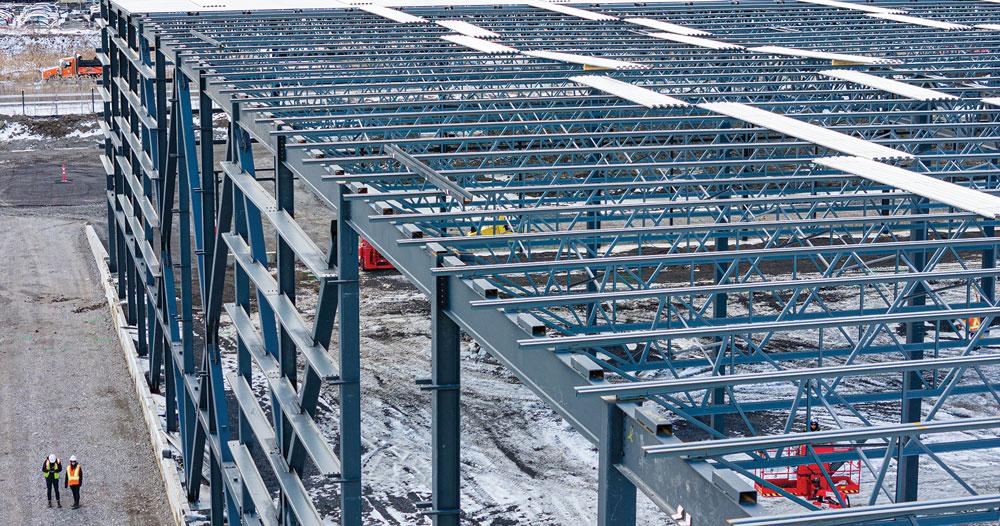
Developers and contractors are facing unprecedented pressures in the current power generation buildout. At the Energy Projects Conference & Expo in Houston, Texas, in June, stakeholders from across the industry detailed how the traditional model of owner-engineering, procurement, and construction (EPC) is being disrupted by the need for earlier involvement and decision-making.
What Happened
Developers and EPC contractors are now required to engage earlier in the project lifecycle, often at the site selection stage, due to pressures from supply chain constraints and the need for earlier risk allocation. The traditional sequence, where owners would develop sites and finalize designs before bidding out work, is being upended. This shift is largely driven by the necessity to secure long-lead items like combustion turbines, transformers, and switchgear well in advance due to their complex and lengthy delivery schedules. As shared by Kyle Harris from Kiewit at the EPC Show, early client engagement with contractors can lead to more successful project outcomes by addressing constructability issues early. However, this also introduces cost implications, as turbine prices are expected to rise through 2027, and field-side constraints continue to limit capacity.
What This Means for Your Business
For businesses in the AECM sector, this shift necessitates a re-evaluation of project planning and execution strategies. The earlier involvement of EPC contractors can lead to better project alignment but requires a commitment to early decision-making. This is critical for securing cost certainty and avoiding price increases due to delayed decisions. Companies need to consider locking in suppliers and securing materials early, even though supply chain disruptions remain a significant challenge. Engaging all parties early can mitigate risks and optimize project outcomes, but it requires a proactive approach to procurement and planning. Additionally, understanding the evolving dynamics of the power generation market and adapting to these changes can enhance competitive positioning and potential return on investment.
What US Operators Should Watch
Operators should closely monitor timelines for securing equipment and materials, as well as stay updated on turbine price forecasts and supply chain developments. The necessity for earlier commitments means that project schedules are increasingly influenced by equipment availability and infrastructure constraints. Keeping an eye on federal permitting and interconnection review processes will also be crucial to avoid delays. Staying informed about these factors will be essential for navigating the current power project landscape effectively.
Source: https://www.powermag.com/is-the-power-project-crunch-upending-the-owner-epc-model/. Read the original story ->
Partner Insight · VisioneerIT
Understanding the dynamics of government contracts can significantly enhance project planning and execution strategies for companies in the AECM sector. VisioneerIT provides the necessary support to navigate federal compliance standards and secure government contracts effectively.
Explore VisioneerIT Cybersecurity →
Is your firm ready for what’s next?
VisioneerIT helps AECM and government contractors modernize operations, achieve compliance, and implement AI.
Explore VisioneerIT Solutions →