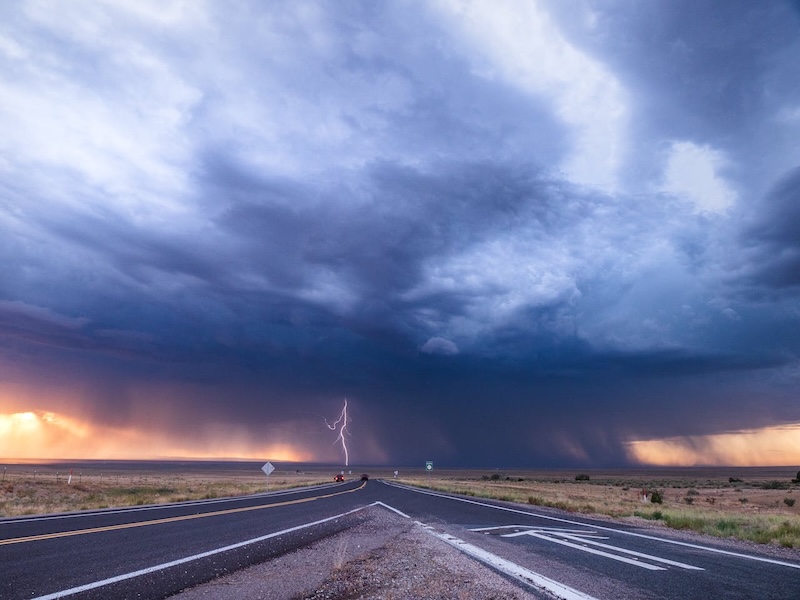
Field operations, particularly in construction and engineering, are constantly at the mercy of unpredictable weather patterns that can jeopardize safety and stall progress. The introduction of portable weather radar systems, utilizing high-frequency X-band technology, represents a significant advancement in managing these atmospheric challenges, providing a strategic edge to the AECM industry.
What Happened
Portable weather radar systems are being adopted across various sectors due to their ability to fill the information gaps left by traditional fixed-location radar stations. These systems are crucial in regions where conventional weather forecasts fail to capture localized storms, a common issue in remote or mountainous areas. The X-band technology used in these portable systems is adept at detecting small-scale storms, offering precise data that traditional systems might miss.
The rapid deployment capability of these systems allows them to be set up in minutes, providing immediate weather intelligence during high-stakes situations, such as construction projects vulnerable to sudden weather changes. This technology is particularly beneficial for operations where every second counts, like wildfire management or search and rescue missions.
Why It Matters for the AECM Industry
For the AECM industry, the implications of adopting portable weather radar systems are profound. The ability to detect atmospheric changes at a local level enables project managers and engineers to make informed decisions swiftly, enhancing safety and operational efficiency. This technology helps mitigate risks associated with unexpected weather events, which can lead to project delays and increased costs.
Moreover, the integration of these systems into existing meteorological networks without requiring extensive infrastructure changes makes them a cost-effective solution. Their low power consumption and autonomous operation, often powered by solar energy, ensure they can function effectively in resource-limited environments.
The technology also enhances safety at temporary construction airfields or remote logistic hubs by providing accurate wind shear data and precipitation maps, crucial for safe landings. This proactive approach not only protects personnel and equipment but also ensures continuity in operation
Is your firm ready for what’s next?
VisioneerIT helps AECM and government contractors modernize operations, achieve compliance, and implement AI.
Explore VisioneerIT Solutions →