Pittsburgh's Commercial Street Bridge, a critical urban artery, was replaced in under 24 hours, showcasing an engineering marvel that minimized disruption to over 100,000 daily commuters.
What Happened
Pittsburgh's Commercial Street Bridge, originally constructed between 1948 and 1951, was due for replacement after decades of service and three rehabilitations. The bridge, a vital route into the city, was replaced using Accelerated Bridge Construction (ABC) techniques. This approach allowed the new structure to be built adjacent to the existing bridge over several months. Once the old bridge was demolished, the new span was slid into place using Mammoet's specialist skidding equipment. This method drastically reduced potential traffic disruptions from nearly four years to just 17 days of continuous closure.
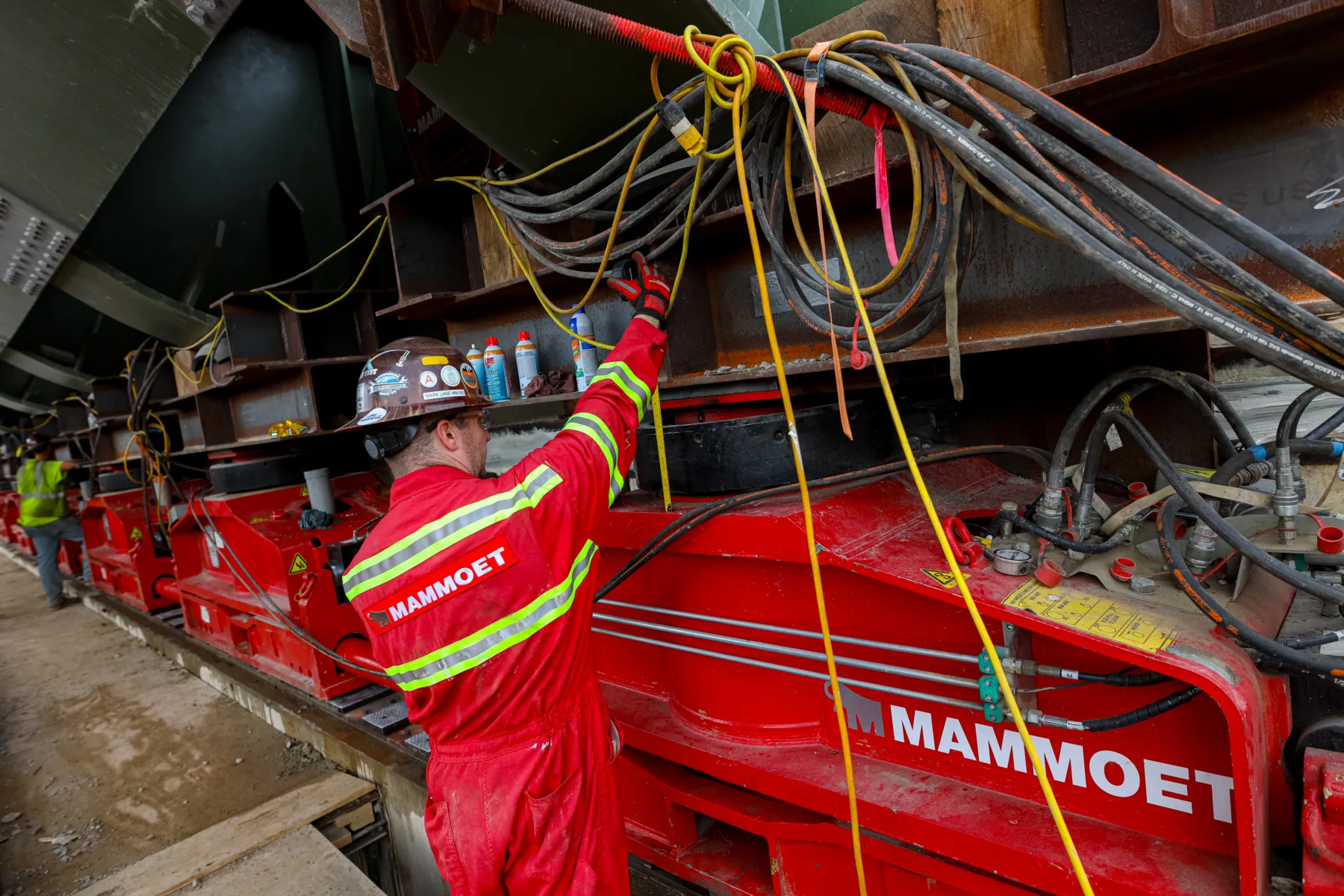
Mammoet, in collaboration with Fay, S&B USA Construction, executed the skidding installation. They used a sophisticated system of 42 skid shoes spread across four primary support runs. This ensured precise movement of the entire 10,000-ton bridge structure, maintaining a one-inch tolerance throughout the operation. The final slide covered a distance of 102 feet and was completed within a single day shift.
What This Means for Your Business
The successful implementation of ABC techniques in Pittsburgh highlights significant opportunities for AECM firms and government contractors. By reducing traffic impact and project timelines, ABC methods can enhance ROI and competitive positioning for projects requiring minimal public disruption. The precision and efficiency demonstrated in this project underscore the importance of investing in advanced engineering solutions and skilled partnerships.
For businesses involved in infrastructure development, this project serves as a benchmark for integrating innovative construction technologies and methodologies that align with federal funding priorities. Regulatory compliance, particularly concerning construction timelines and public safety, can also be more effectively managed through such advanced techniques.
What US Operators Should Watch
AECM professionals should monitor developments in ABC techniques and related technologies to remain competitive. Awareness of federal infrastructure funding opportunities that prioritize minimal public disruption and innovative methods is crucial. Additionally, staying informed about procurement windows and regulation timelines related to infrastructure projects will be essential for seizing new business opportunities.
As cities across the US aim to upgrade aging infrastructure, the Pittsburgh project provides a model for efficient, large-scale public works that could transform urban landscapes while maintaining essential services.
Source: https://zweiglist.com/pittsburghs-commercial-street-bridge-replaced-in-under-24-hours/
Is your firm ready for what’s next?
VisioneerIT helps AECM and government contractors modernize operations, achieve compliance, and implement AI.
Explore VisioneerIT Solutions →