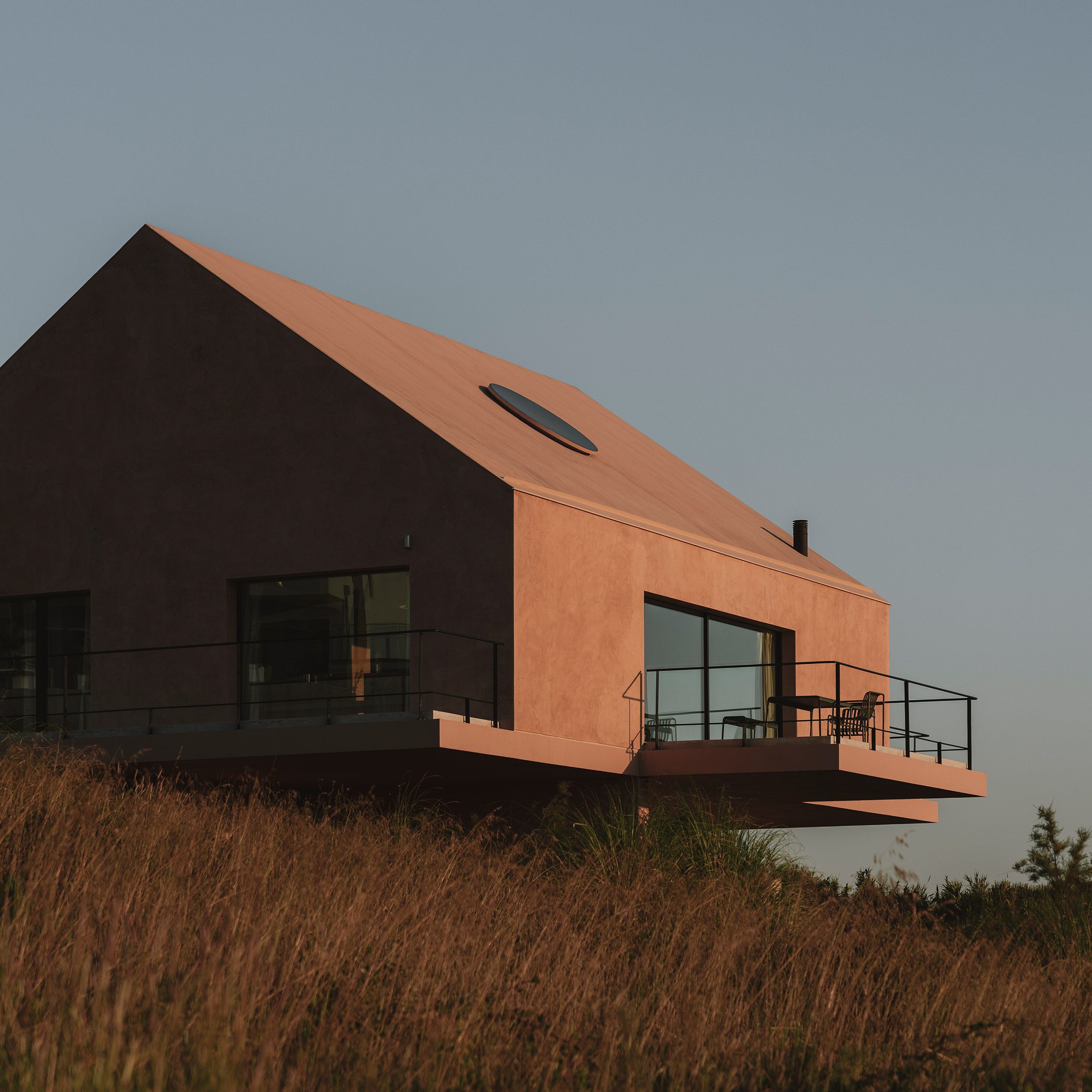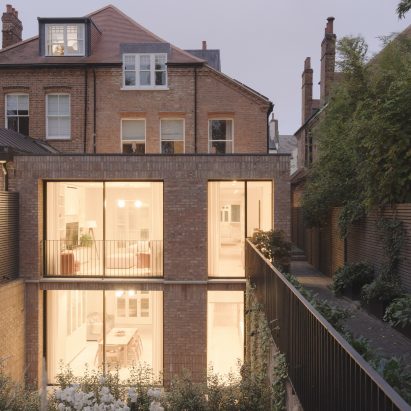
Projects using reclaimed natural materials and local resources took center stage at this year's Oslo Architecture Triennale, which concludes on October 1, 2026. Located in Oslo's Sofienberg Church, the event showcases groundbreaking projects that prioritize nature in architectural design. This year's theme, 'What If Nature Comes First?', underscores a crucial pivot in the construction industry towards sustainable practices.
What Happened
The ninth edition of the Oslo Architecture Triennale featured an array of exhibitions, seminars, and workshops, focusing on the integration of natural materials into architecture. The event's director, Line Ramstad, emphasized the urgent need to rethink traditional construction methodologies that significantly contribute to environmental degradation. The projects highlighted the potential of existing materials and traditional knowledge to drive sustainable architectural practices.
Among the standout exhibits, the Grinham Research Group from Harvard University presented 'Upcycling Wool Ecologies,' an installation featuring tiles made from waste sheep wool. These tiles are designed for retrofitting building exteriors, serving as a cost-effective and sustainable alternative to conventional materials. The tiles' insulative and durable properties make them an attractive option for eco-conscious developers.
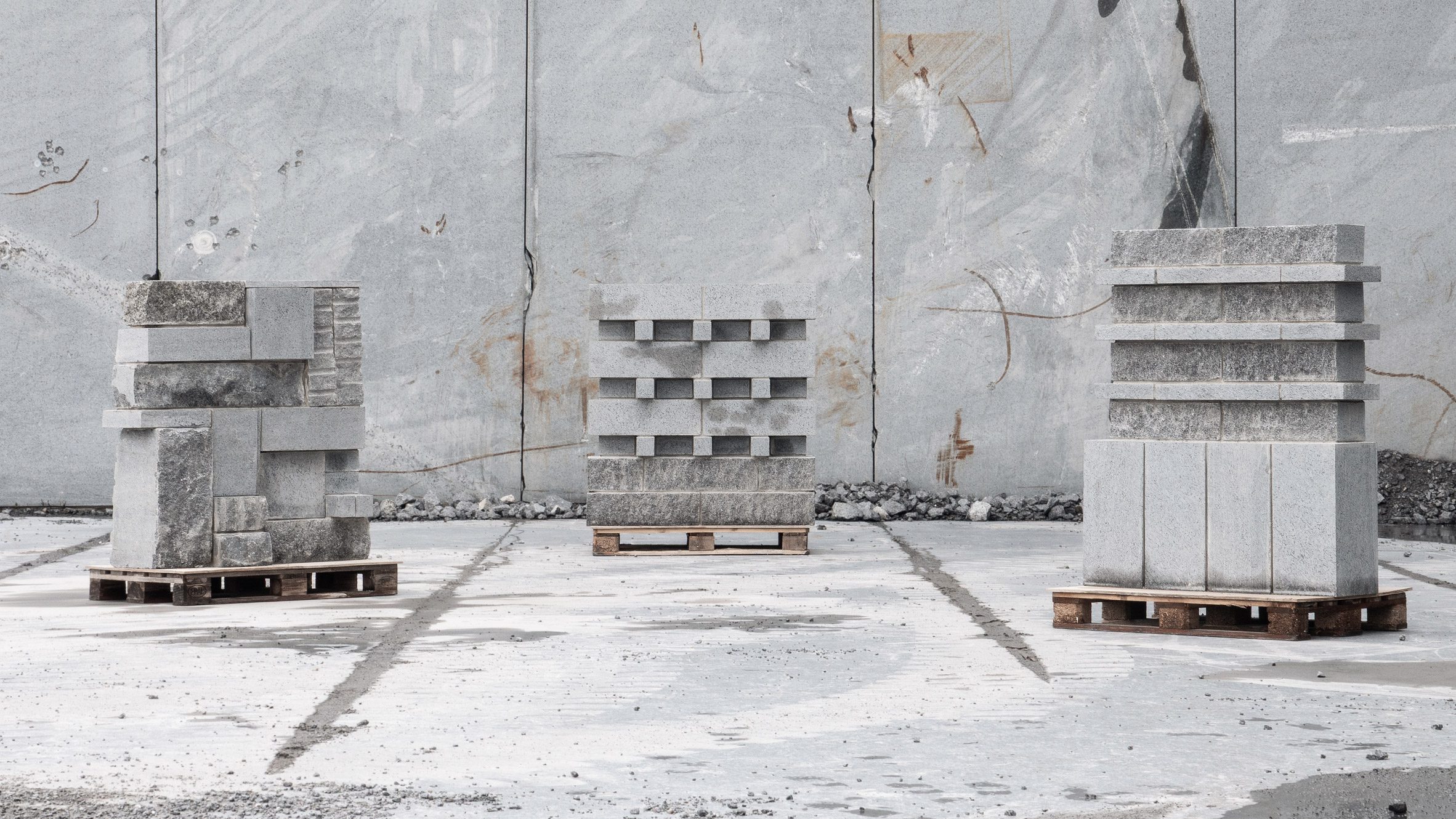
Another notable project, 'Lasting Larvikite,' involved a collaboration between Arkitekt Martin Hopland and Studio Wideroe. The architects used Larvikite stone from a local quarry to create wall prototypes, demonstrating a sustainable approach by utilizing excess stone and reducing reliance on processed materials like concrete.
What This Means for Your Business
For US operators in the AECM sector, the innovations at the Oslo Architecture Triennale offer valuable insights into sustainable construction practices that can be integrated into domestic projects. The focus on using local, natural materials aligns with increasing regulatory pressures and consumer demand for environmentally responsible building practices. Implementing such solutions can provide a competitive edge, particularly in government contracts where sustainability is increasingly a key criterion.
The use of reclaimed materials, as showcased by the wool tile project, can also reduce costs and improve ROI by minimizing waste and enhancing energy efficiency. Businesses should consider these strategies to not only comply with evolving environmental regulations but also to capitalize on federal incentives aimed at promoting green construction.
What US Operators Should Watch
US businesses should monitor upcoming federal regulations and incentives related to sustainable construction. The emphasis on eco-friendly materials at events like the Oslo Architecture Triennale signals a broader industry shift that may soon influence US policies. Companies should stay informed about potential procurement opportunities that prioritize sustainability and prepare for compliance with standards such as CMMC and NIST related to environmental impact.
As sustainability becomes a focal point in architecture and construction, firms that proactively adapt to these trends will likely find themselves better positioned to secure lucrative contracts and maintain a competitive advantage.
Source: https://www.dezeen.com/2026/09/21/stand-out-projects-oslo-architecture-triennale/. Read the original story ->
Is your firm ready for what’s next?
VisioneerIT helps AECM and government contractors modernize operations, achieve compliance, and implement AI.
Explore VisioneerIT Solutions →