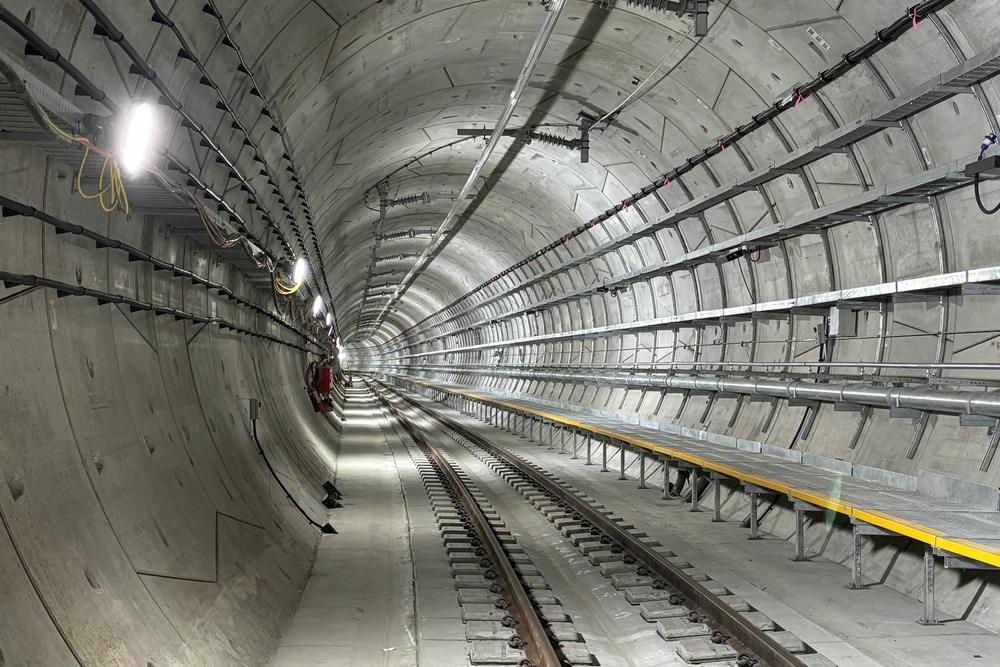
The New Jersey Institute of Technology (NJIT) has launched a groundbreaking initiative to address mental health challenges faced by construction workers—a group often grappling with anxiety, depression, and substance abuse. This program is timely, as the construction industry wrestles with a culture that traditionally discourages open discussions about mental health.
What Happened
NJIT has recognized the critical need to support the mental well-being of construction workers, who often endure long hours, hazardous conditions, and financial instability, all contributing to mental health struggles. The initiative aims to provide resources and support systems to help workers manage these challenges. Through partnerships with mental health professionals and industry leaders, NJIT is creating a framework that encourages workers to seek help without fear of stigma or reprisal. This comes at a crucial time when the construction sector is under pressure to maintain productivity while ensuring the safety and well-being of its workforce.
What This Means for Your Business
For companies in the architecture, engineering, construction, and manufacturing (AECM) sectors, this initiative could serve as a model for integrating mental health support into workplace safety programs. Emphasizing mental health can lead to enhanced worker safety, increased productivity, and reduced turnover—factors that directly impact the bottom line. Companies may consider adopting similar programs to remain competitive and compliant with emerging industry standards that prioritize employee well-being. Furthermore, integrating mental health support can improve compliance with Occupational Safety and Health Administration (OSHA) guidelines, potentially reducing liability and insurance costs.
What US Operators Should Watch
As the NJIT initiative gains traction, AECM professionals should monitor its outcomes and the potential for broader adoption across the industry. This program might influence future regulatory requirements or industry standards related to mental health. Companies should also be aware of upcoming federal funding opportunities aimed at enhancing workplace safety and mental health, which could provide financial support for implementing similar initiatives. Staying informed about these developments will be crucial for maintaining competitive advantage and ensuring compliance with any new regulations that may emerge.
Source: https://news.njit.edu/construction-workers-get-mental-health-support-njit-initiative
Is your firm ready for what’s next?
VisioneerIT helps AECM and government contractors modernize operations, achieve compliance, and implement AI.
Explore VisioneerIT Solutions →