High construction costs and elevated interest rates haven't deterred some developers from breaking ground on significant apartment projects across the U.S. Recent starts in Minnesota, New York, and New Jersey highlight a resilient multifamily housing sector, crucial for accommodating growing urban populations.
What Happened
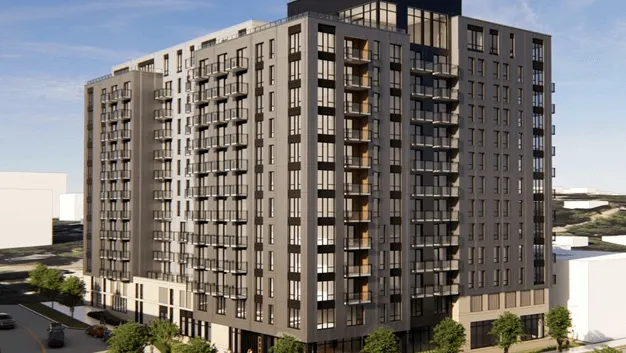
Construction commenced last week on three notable apartment projects, each addressing unique local needs and leveraging innovative financial tools. In Rochester, Minnesota, Inland National Development Co. and Reuter Walton Development initiated the Citywalk Apartments project on November 19. This 342-unit development aims to cater to the housing needs of those connected to the Mayo Clinic, providing a mix of studio to three-bedroom apartments, including 90 short-term stay units. The complex will feature extensive amenities like a rooftop terrace, a pool, and a fitness center, with completion anticipated in 2028.
In New York City, MSquared began work on November 18 to redevelop 665 New York Avenue in Brooklyn, a site left vacant since a catastrophic fire 15 years ago. This project will deliver 134 mixed-income units, with 90 designated as affordable housing. Notably, this initiative represents the first application of the Mamdani administration’s Subordinate Market Rate Revolving Term Loan, a financial mechanism designed to reinvest profits from such projects into future affordable housing developments. The project also benefits from Citibank’s debt financing and a mixed-income Article XI tax abatement, with a 2028 completion target.
Meanwhile, in Atlantic City, New Jersey, Odin Properties broke ground on November 17 on the Atlantic Lofts, a $22.5 million redevelopment of the historic Schwehm Building. This office-to-residential conversion will create 56 loft units, transforming a long-vacant landmark into a vibrant living space.
What This Means for Your Business
The groundbreaking of these projects signals potential opportunities and challenges for AECM firms. Developers are finding ways to navigate high material costs and interest rates by utilizing creative financing solutions and strategic partnerships. For firms engaged in multifamily housing, understanding the evolving landscape of public-private partnerships and financing tools like revolving term loans could be crucial. Additionally, projects that integrate mixed-income models and sustainable features may increasingly attract investment and policy support.
For procurement directors and compliance officers, these developments underscore the importance of staying informed about federal and local financing initiatives that can enhance project viability. Furthermore, compliance with building codes and sustainability standards remains essential, especially for projects involving public funding and tax incentives.
What US Operators Should Watch
Stakeholders should closely monitor the implementation and outcomes of tools like New York’s Subordinate Market Rate Revolving Term Loan, as it may influence future public financing strategies. Additionally, the timeline for completion of these projects, particularly those set for 2028, will require ongoing attention to manage supply chain constraints and regulatory compliance. Decision-makers should also track policy developments and funding opportunities that align with mixed-income and affordable housing initiatives, which are likely to remain a priority for urban development.
---
Source: https://www.constructiondive.com/news/apartment-projects-start-construction/875718/. Read the original story ->
Is your firm ready for what’s next?
VisioneerIT helps AECM and government contractors modernize operations, achieve compliance, and implement AI.
Explore VisioneerIT Solutions →