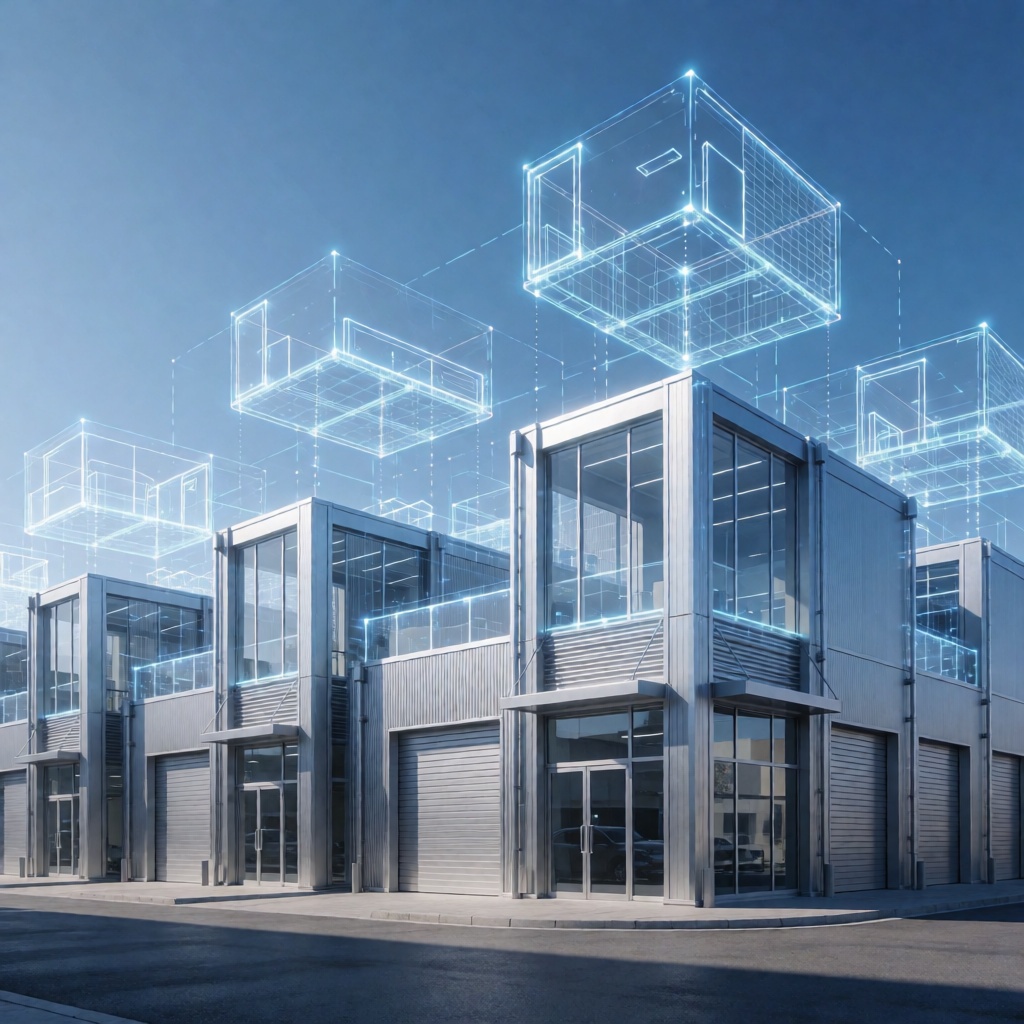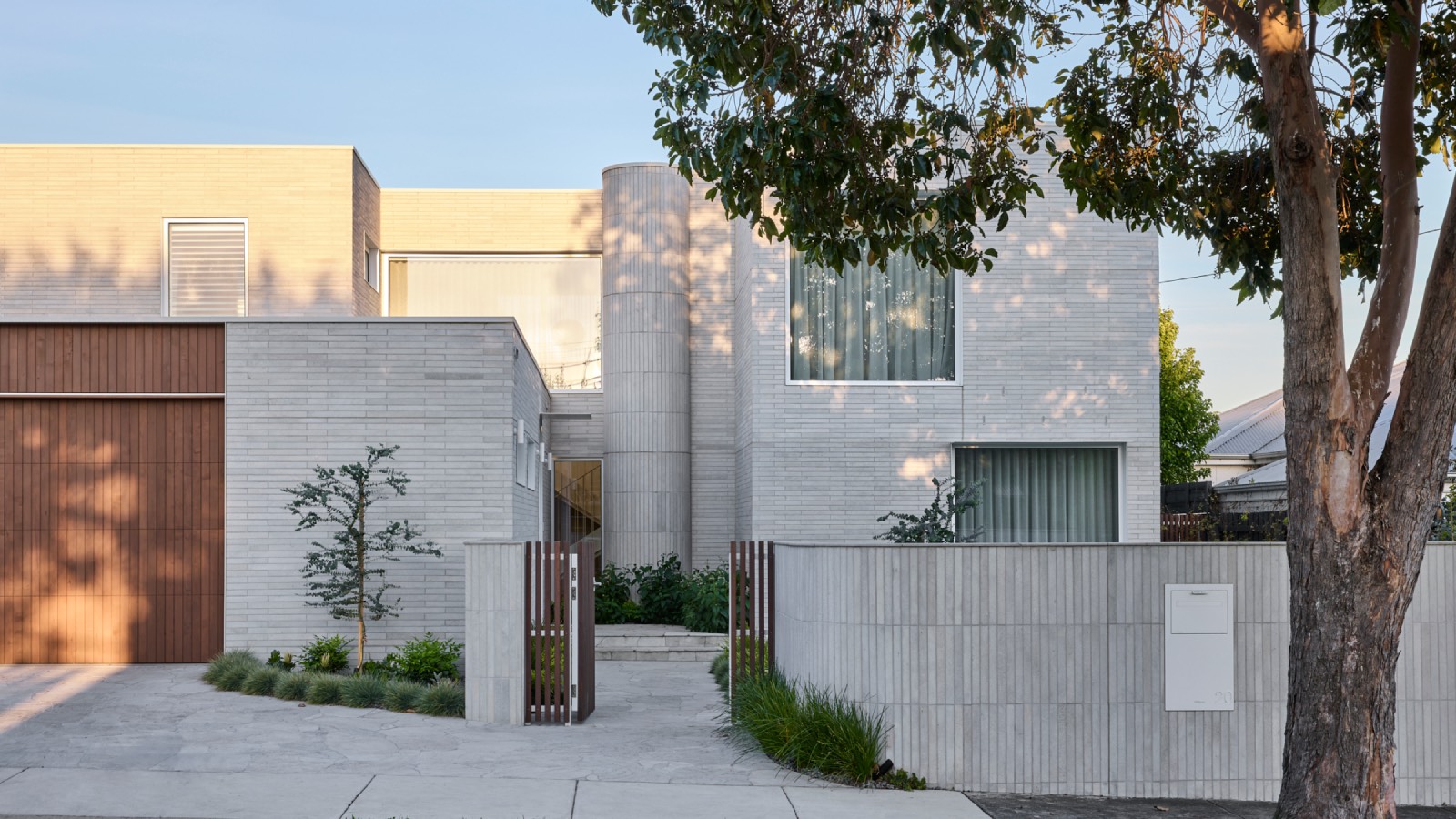
Embracing a palette of faded whites and muted greys, new exterior materials are reshaping the architectural landscape, offering both aesthetic elegance and enhanced performance. These materials are becoming essential for modern building envelopes, bringing a timeless quality to urban design.
What Happened
A new wave of exterior materials is gaining traction in the architectural world, characterized by their muted tones and sustainable features. Among the notable introductions is Urban Cement by Pure + Freeform, a material that mimics the raw aesthetic of concrete on architectural metal. This product, made from 100% recyclable aluminum, offers a durable and fade-resistant option for exterior cladding. It was recently used by NBBJ for the Charlestown Labs project in Massachusetts, demonstrating its practical and visual appeal.
Another standout is the Full Stone Bricks collection from Eco Outdoor, which utilizes elongated natural stone shapes to reduce waste. These bricks, requiring no high-temperature firing, cut carbon emissions by over 50%, aligning with growing environmental priorities in construction. JAK Architecture's Hermitage residence in Melbourne showcases this material's sophistication and sustainable edge.
Glen-Gery's latest offering, Casablanca, is the 2026 Brick Color of the Year. Its sun-bleached white tone from the Sioux River Series reflects the organic, grounding aesthetics inspired by Midwest rock formations. This color complements a wide range of designs, enhancing versatility in application.
What This Means for Your Business
For AECM professionals, these developments highlight a shift towards sustainable and aesthetically versatile materials. The demand for eco-friendly options like Full Stone Bricks aligns with increasing regulatory pressures to reduce carbon footprints. As procurement directors and compliance officers prioritize materials that meet these standards, products such as those introduced by Pure + Freeform and Eco Outdoor offer competitive advantages.
Moreover, the durability and aesthetic flexibility of these materials can lead to long-term cost savings and value enhancement for projects. The adoption of recyclable and low-emission materials positions firms to better align with federal sustainability goals and attract clients interested in innovative, green building solutions.
What US Operators Should Watch
US operators should track evolving regulations and incentives related to sustainable construction materials. Federal funding opportunities for green building projects may increase, providing financial incentives for early adopters. Furthermore, the integration of new exterior materials may influence upcoming procurement cycles, necessitating updates to compliance requirements and specifications.
Operators should also monitor the market introduction of Pure + Freeform’s and Eco Outdoor’s products, assessing their fit within current and future projects. Staying informed about the latest trends in architectural materials will be crucial for maintaining competitive positioning in the industry.
Source: https://www.azuremagazine.com/article/exterior-materials-2026/
Is your firm ready for what’s next?
VisioneerIT helps AECM and government contractors modernize operations, achieve compliance, and implement AI.
Explore VisioneerIT Solutions →