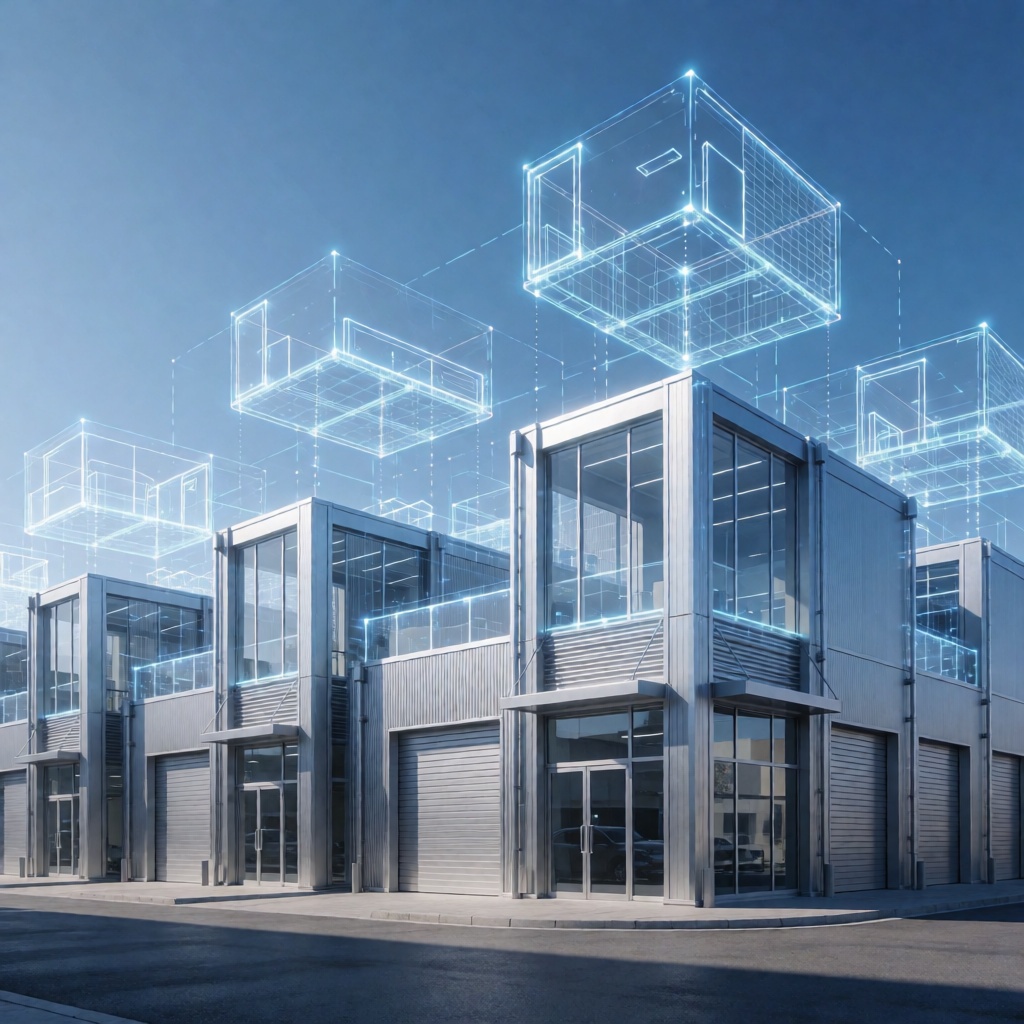
Neighborhood flex-bay buildings are increasingly incorporating flexible design elements, including office or showroom space, conditioned warehouse areas, and core building systems from the outset. This shift is reshaping small-bay construction, emphasizing adaptability and multifunctionality to meet diverse tenant needs and market demands.
What Happened
Flexible design in small-bay construction is gaining traction as developers and architects respond to the evolving needs of businesses and urban environments. These structures, often located in neighborhood settings, are being designed to accommodate a mix of uses, such as office space, showrooms, and climate-controlled warehousing. This trend is driven by the need for spaces that can quickly adapt to different functions, supporting businesses that may require a combination of storage, retail, and office capabilities in a single location. The integration of core building systems from the start allows for efficient use of space and resources, aligning with sustainable construction practices and reducing the need for costly retrofits.
What This Means for Your Business
For AECM professionals, the rise of flexible design in small-bay construction presents significant opportunities and challenges. Companies involved in construction and architecture can capitalize on this trend by developing expertise in designing multifunctional spaces that appeal to a broad range of tenants. This approach not only enhances competitive positioning but also increases the potential return on investment by attracting a diverse tenant mix. Moreover, the focus on sustainability and efficient resource use aligns with federal funding opportunities for green building initiatives. Compliance with evolving building codes and standards, such as those promoting energy efficiency and minimal environmental impact, will be crucial for companies looking to secure government contracts and funding.
What US Operators Should Watch
Decision-makers in the construction industry should monitor upcoming federal regulations and standards that may impact flexible building design. Keeping abreast of changes in building codes related to energy efficiency and sustainability will be essential. Additionally, tracking government incentives for green construction projects can provide valuable opportunities for funding and growth. As the demand for adaptable spaces continues to rise, businesses should also watch for shifts in tenant needs and preferences, ensuring their projects remain relevant and competitive in the market.
Is your firm ready for what’s next?
VisioneerIT helps AECM and government contractors modernize operations, achieve compliance, and implement AI.
Explore VisioneerIT Solutions →