The U.S. construction industry faces a critical labor shortage, with 92% of contractors struggling to fill roles, according to the Association of General Contractors. As the nation grapples with a shortfall of 4.5 million homes, companies like Monumental are turning to robotics to bridge the gap. This move is not just a technological shift; it's a necessity driven by an aging workforce and a lack of interest from younger generations.
What Happened
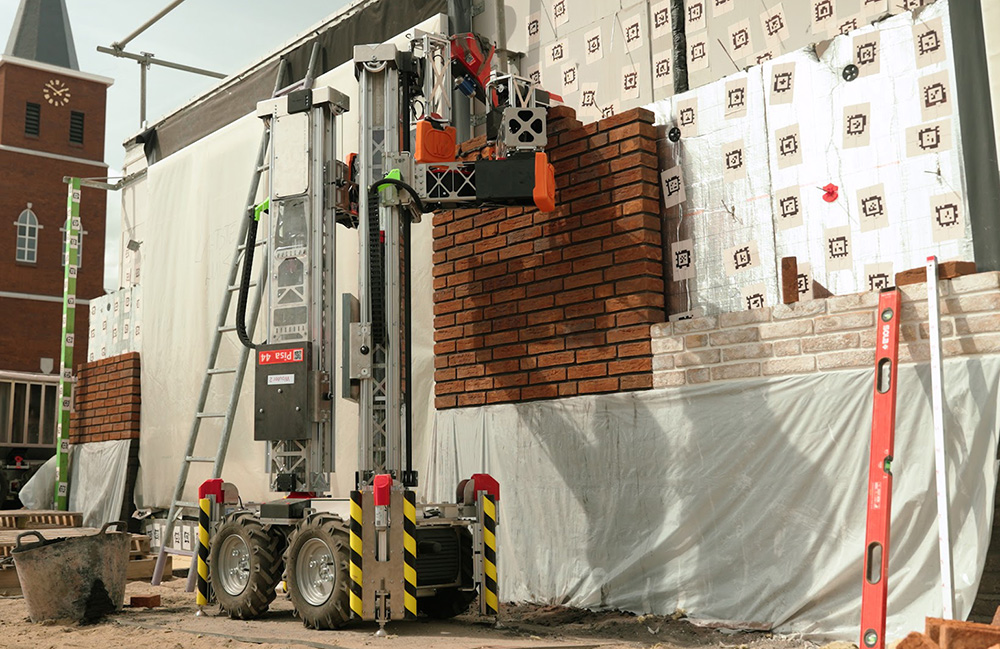
Monumental, led by founder and CEO Salar al Khafaji, is at the forefront of integrating robotics into construction. The company has developed a fleet of robots, starting with the Pisa robot designed for bricklaying—a task notoriously difficult and in high demand across Western Europe. Bricklayers are the number one job-shortage category in countries like the U.K., the Netherlands, and Germany, making automation in this area particularly urgent.
Monumental's Pisa robot is part of a broader strategy to automate the construction process, which al Khafaji divides into three stages: ground preparation, shell building, and finishing. Robotics has made significant inroads in ground preparation, with companies like Gravis Robotics and Bedrock Robotics receiving substantial funding. However, Monumental is focusing on the shell-building phase, where it sees less competition.
The Pisa robot, equipped with two arms, handles the meticulous task of laying bricks and mortar. It is supported by Petra and Panama, two robots responsible for supplying bricks and mortar, emphasizing the importance of material handling in construction automation.
What This Means for Your Business
For businesses in the architecture, engineering, construction, and manufacturing (AECM) sectors, Monumental's advancements signify a potential shift in procurement strategies and operational efficiencies. The integration of robotics can mitigate labor shortages, reduce project timelines, and potentially lower costs. However, it also necessitates compliance with emerging standards in robotics and AI, alongside existing frameworks like the Cybersecurity Maturity Model Certification (CMMC) and NIST guidelines.
The competitive landscape is evolving, with fewer players in the shell-building robotics space, presenting opportunities for early adopters to gain a foothold. Federal funding and investment in robotics are on the rise, and those aligned with this trend may secure advantageous positions in future government contracts.
What US Operators Should Watch
As the construction industry pivots towards automation, key dates and deadlines in federal procurement and funding opportunities will be crucial. Operators should monitor developments in robotics regulations and compliance requirements, ensuring readiness for CMMC audits and NIST standards. The landscape of government contracts may shift towards entities capable of integrating advanced robotics solutions, making it imperative for decision-makers to stay informed and agile.
Source: The Robot Report. Read the original story ->
Partner Insight · VisioneerIT
The integration of robotics in construction aligns with the increasing focus on federal compliance standards, such as CMMC. Companies looking to adopt these technologies should consider how they can also position themselves for government contracts.
Explore VisioneerIT Cybersecurity →
Is your firm ready for what’s next?
VisioneerIT helps AECM and government contractors modernize operations, achieve compliance, and implement AI.
Explore VisioneerIT Solutions →