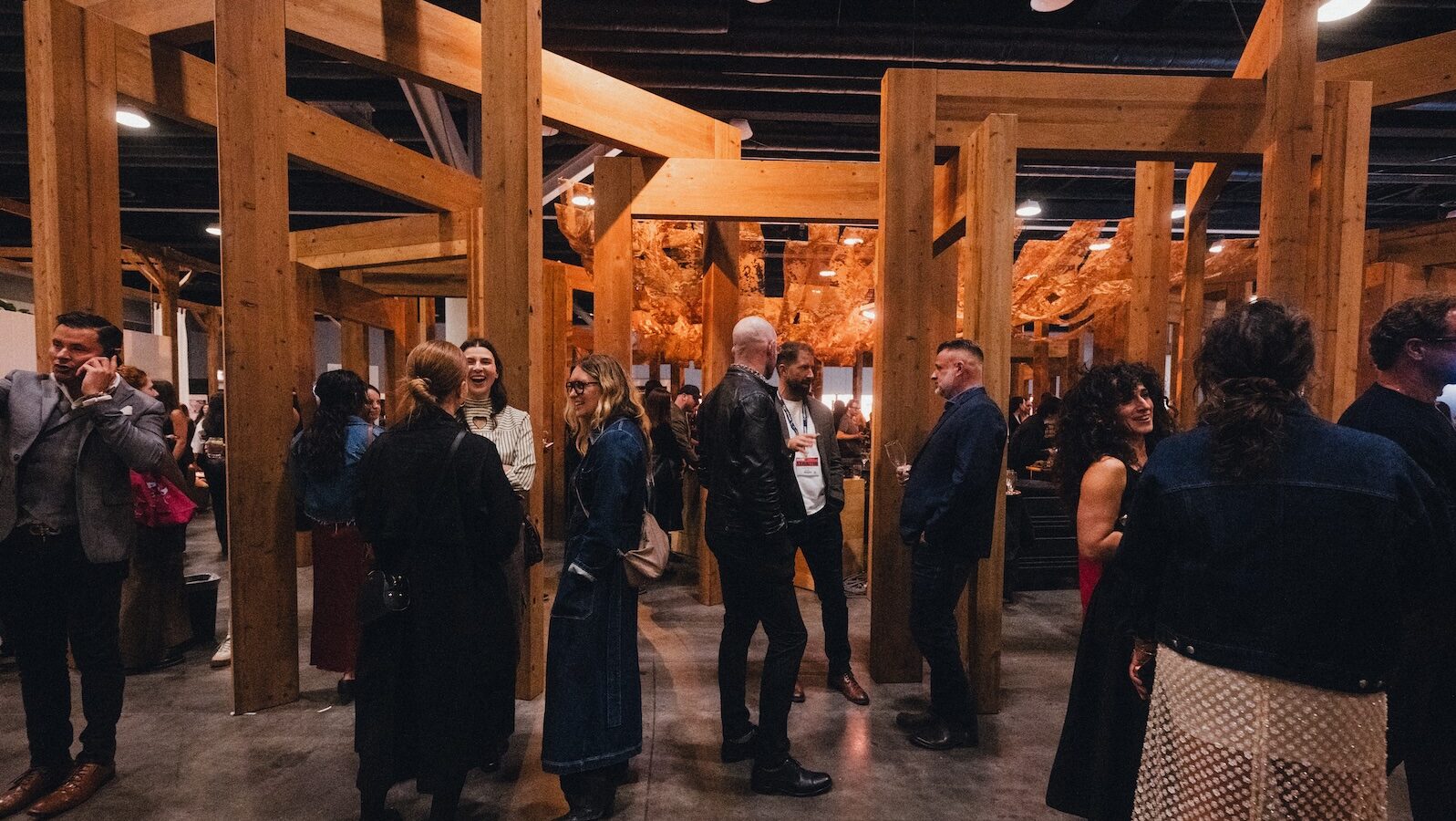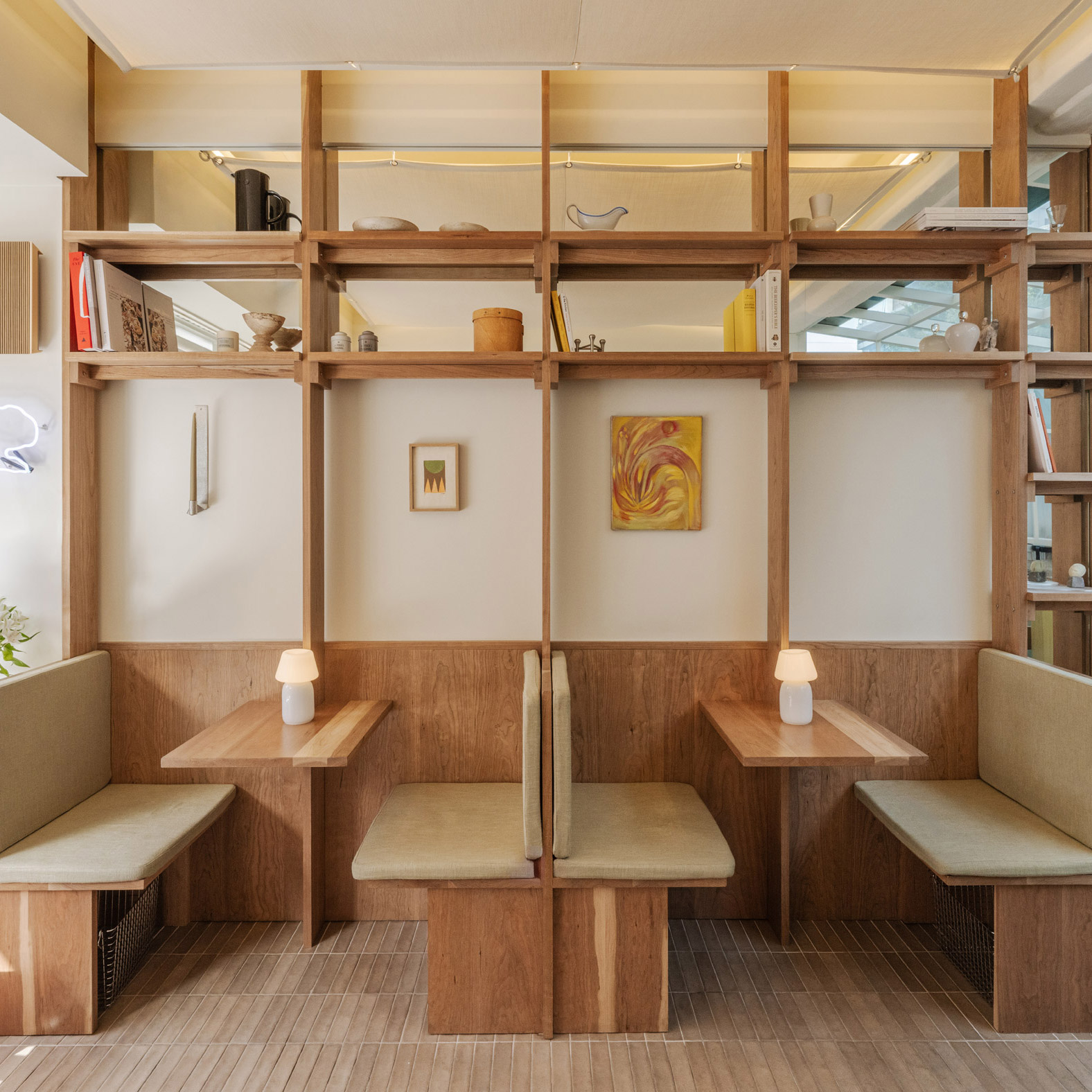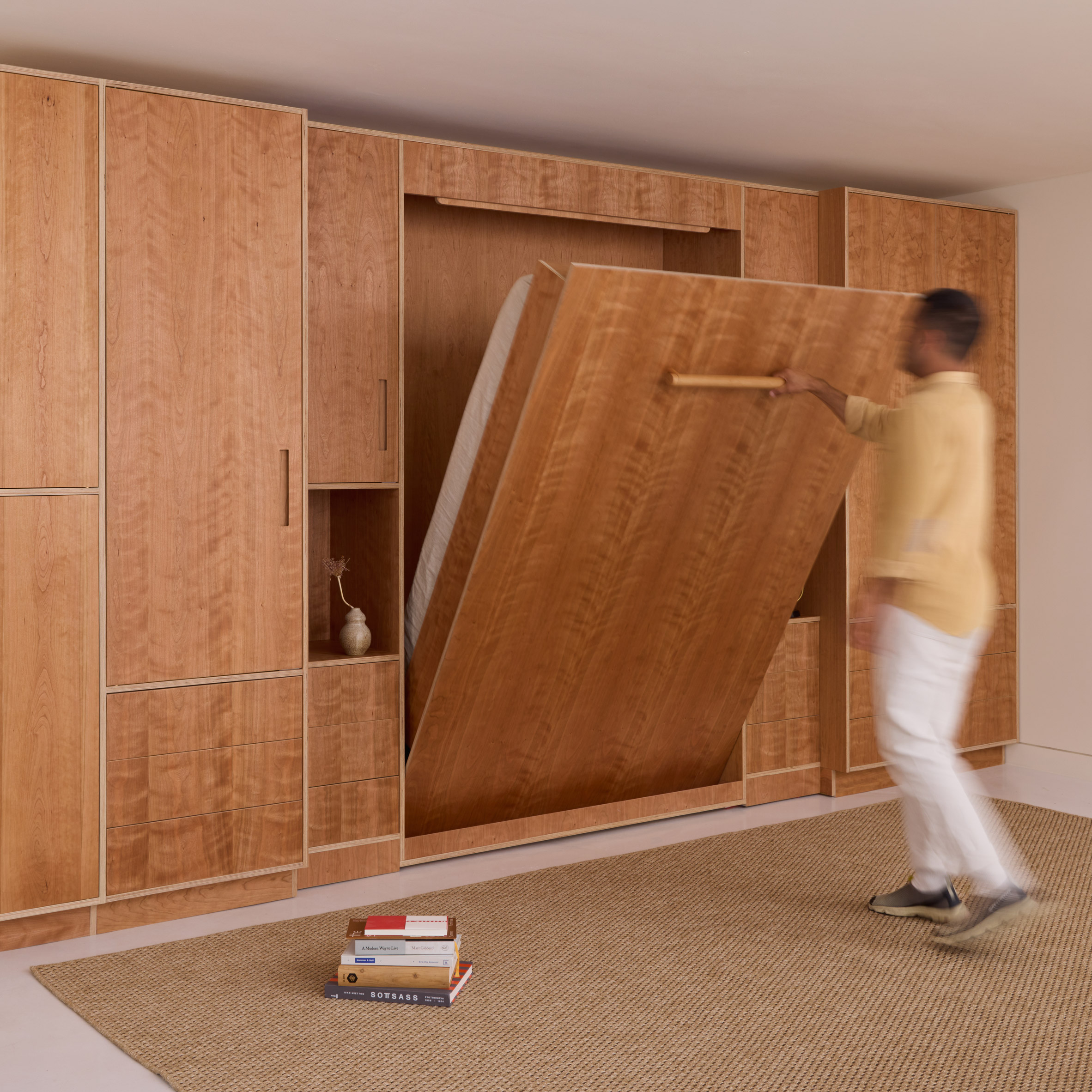
Modular furniture is rapidly transforming the architecture and design industry, offering flexibility and adaptability that cater to modern lifestyles. This shift is illustrated by five groundbreaking designs unveiled at recent design festivals and showcases, spotlighting the trend's growing importance.
What Happened
A new wave of modular furniture designs is capturing attention with their innovative and practical applications. Golem's Amoreba system, composed of soft, upholstered balls, allows for a myriad of configurations tailored to contemporary lifestyles. SF-SO's Thin collection introduces sleek metal shelves, only 1.6 millimeters thick, yet durable enough to support substantial weight, demonstrating the potential for lightweight, robust furniture solutions.
Lozi's modular system, showcased at the London Design Festival, presents an alternative to bespoke cabinetry by offering mix-and-match standalone units. This approach mimics fitted joinery, similar to Ikea's Billy Bookcase design, providing customizable solutions for various spaces.
The Omi Series 2 Stool by Omi Collective reinterprets traditional African seating with a modular design that can be shared and adapted, promoting community and shared ownership. Finally, Dubbeldam Architecture + Design's Advanced Concepts 2.0 furniture offers tech-oriented office solutions with customizable workspaces, reflecting the increasing demand for adaptable office environments.
What This Means for Your Business
For AECM professionals, these modular innovations signal a significant shift in design and procurement strategies. The flexibility and adaptability of modular systems can lead to cost savings and increased efficiency in both residential and commercial projects. These designs encourage a move away from traditional, fixed furnishings, allowing architects and contractors to offer clients more personalized and scalable solutions.
Moreover, incorporating modular furniture aligns with the growing emphasis on sustainability and resource efficiency in the construction industry. The ability to easily reconfigure and repurpose furniture reduces waste and extends the lifecycle of interior design elements, contributing to greener building practices. For government contractors, this trend aligns with federal sustainability goals and could enhance competitiveness in bidding for public sector projects.
What US Operators Should Watch
As modular furniture continues to gain traction, US operators should monitor developments in this space closely. Pay attention to emerging design showcases and industry events where new modular solutions are introduced. Additionally, understanding the integration of modular systems within existing compliance frameworks, such as NIST standards for sustainable practices, will be crucial.
AECM professionals should also be aware of potential partnerships with modular furniture designers to enhance project offerings and explore new market opportunities. Keeping abreast of these innovations will be essential for maintaining a competitive edge in a rapidly evolving industry landscape.
---
Source: https://www.dezeen.com/2026/10/04/innovative-practical-modular-furniture-designs/. Read the original story ->
Is your firm ready for what’s next?
VisioneerIT helps AECM and government contractors modernize operations, achieve compliance, and implement AI.
Explore VisioneerIT Solutions →