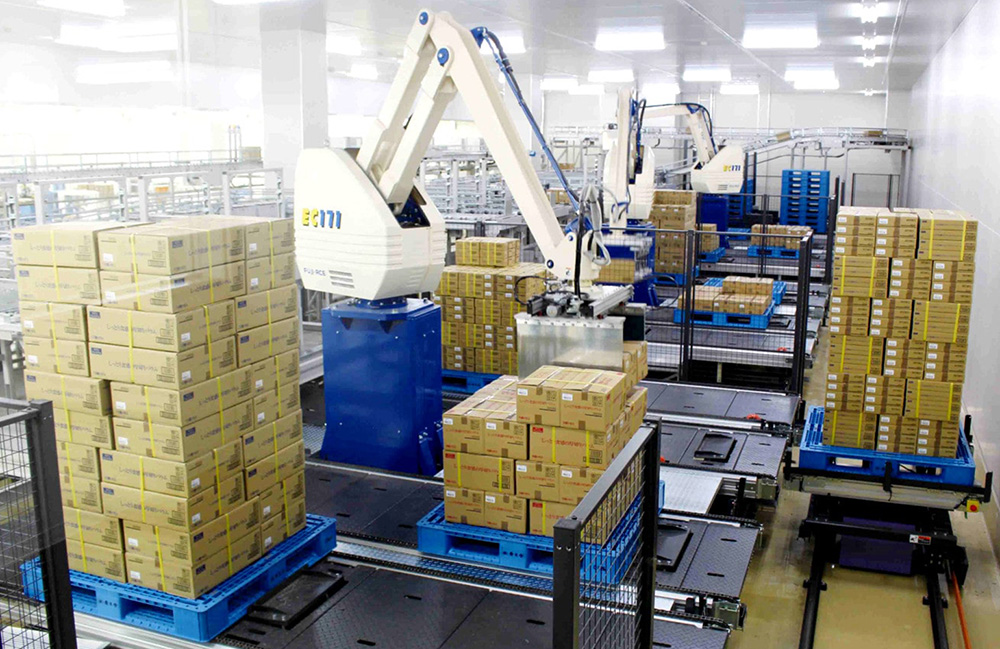
Smart diagnostics, digital twins, and predictive maintenance are transforming industrial machinery, enhancing precision and minimizing downtime. This technological shift is crucial for the Architecture, Engineering, Construction, and Manufacturing (AECM) sectors, which rely heavily on precision and efficiency.
What Happened
Leading companies such as Beckhoff and Siemens are at the forefront of integrating advanced drive technologies into industrial machinery. These innovations include smart diagnostics, which provide real-time monitoring and alerts, and digital twins, virtual replicas of physical systems that enable simulation and optimization of machinery operations. Predictive maintenance further enhances machinery uptime by preemptively identifying potential failures before they occur, thereby reducing unscheduled downtimes.
Siemens, for instance, is leveraging its expertise in automation and digitalization to offer comprehensive solutions that integrate these technologies seamlessly. Beckhoff is also contributing by implementing open automation systems that allow for greater flexibility and scalability in machinery operations. These technologies are particularly beneficial in settings where precision is paramount, such as in automotive manufacturing and aerospace engineering.
Why It Matters for the AECM Industry
For the AECM industry, the adoption of these modern drive technologies translates to significant competitive advantages. Enhanced precision reduces material waste and improves product quality, which are crucial for maintaining profitability and meeting regulatory standards. Moreover, minimizing machinery downtime through predictive maintenance can lead to substantial cost savings. This is particularly critical in an industry where project delays can result in significant financial penalties and reputational damage.
The integration of digital twins allows for better resource management and project planning, as it provides detailed insights into machinery performance and lifecycle. This can lead to more efficient use of resources and a reduction in project timelines. Furthermore, these technologies support sustainability efforts by optimizing energy use and reducing the environmental footprint of industrial operations.
What's Next
As these technologies continue to evolve, AECM professionals should anticipate further integration of artificial intelligence and machine learning into drive systems. These advancements will likely enhance the capabilities of predictive maintenance and diagnostics, allowing for even more precise control over machinery operations. Industry players should stay informed about new developments and consider investing in training and development programs to equip their workforce with the necessary skills to operate and maintain these advanced systems.
In the near term, companies should also watch for updates from Beckhoff and Siemens on new product launches and enhancements to their existing technologies. Additionally, staying engaged with industry forums and conferences can provide valuable insights into emerging trends and best practices.
Is your firm ready for what’s next?
VisioneerIT helps AECM and government contractors modernize operations, achieve compliance, and implement AI.
Explore VisioneerIT Solutions →