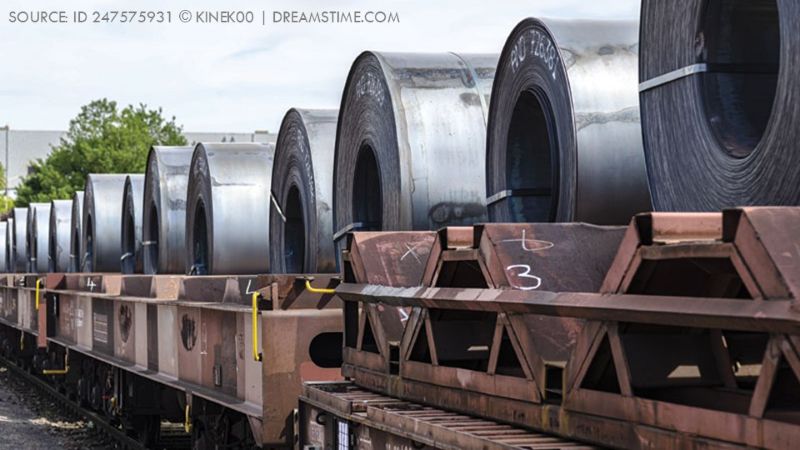
In an era where supply chain disruptions are becoming the norm rather than the exception, metal construction companies are re-evaluating their strategies to prioritize resilience over efficiency. The stakes have never been higher for an industry that forms the backbone of modern infrastructure.
What Happened
The metal construction industry, long focused on optimizing supply chains for efficiency, is grappling with a new reality marked by frequent disruptions. These disruptions are driven by factors such as geopolitical tensions, volatile steel prices, and extreme weather events that impact both mill operations and transportation networks. The traditional model that emphasized minimizing transportation costs and maximizing asset utilization is being challenged as unpredictable delays and supply constraints increasingly affect project timelines and costs.
A key driver of this shift is the realization that efficiency-optimized supply chains can quickly become fragile under volatile conditions. Recent data underscores the financial stakes involved: U.S. business logistics costs reached approximately $2.6 trillion, representing 8.7% of the nation's GDP. Given this significant economic footprint, even minor supply chain inefficiencies can lead to substantial financial consequences.
The limits of the traditional efficiency-driven supply chain are becoming evident as disruptions now occur twice as often as they did just a few years ago, with companies potentially losing 5% to 10% of annual revenue due to these interruptions. As a result, metal construction companies are finding that relying solely on minimizing haul miles or reducing inventory can leave their operations critically exposed.
What This Means for Your Business
For AECM industry professionals, the shift from efficiency to resilience in supply chain management carries several implications. Businesses must now consider investing in technologies and processes that enhance supply chain visibility and flexibility. This may include diversifying supplier networks to mitigate risks associated with geopolitical tensions and trade policy shifts, such as Section 232 tariffs.
Moreover, compliance with emerging federal standards, such as the Cybersecurity Maturity Model Certification (CMMC), becomes crucial as companies seek to protect their supply chains from cyber threats. Emphasizing resilience can also improve relationships with general contractors and project owners by reducing the risk of project delays and associated penalties.
The emphasis on resilience can impact ROI and cost structures, as companies might need to maintain larger buffer inventories or invest in redundant transportation routes. However, these costs could be offset by the reduced risk of costly disruptions and the potential to capture new business opportunities in a competitive market.
What US Operators Should Watch
Decision-makers in the metal construction industry should closely monitor federal policy changes, particularly those affecting trade and tariffs, as these can have immediate impacts on supply chain costs and strategies. Staying informed about upcoming deadlines for compliance with CMMC standards and other regulatory requirements is also critical.
In addition, operators should keep an eye on technological advancements that can enhance supply chain resilience, such as predictive analytics tools that forecast potential disruptions and enable proactive decision-making. As the industry continues to adapt to these changes, maintaining a focus on resilience will be key to navigating the evolving landscape.
Source: https://www.metalconstructionnews.com/articles/supply-chain-resilience-in-metal-construction/. Read the original story ->
Is your firm ready for what’s next?
VisioneerIT helps AECM and government contractors modernize operations, achieve compliance, and implement AI.
Explore VisioneerIT Solutions →