Manufacturing output in the U.S. experienced a slight decline in August, breaking a seven-month streak of increases, according to data from the Federal Reserve. This development comes as significant investments are being announced by major players like Hitachi Energy and ArtiCast, indicating potential shifts in the manufacturing landscape.
What Happened
In August, U.S. manufacturing output decreased by 0.3%, following a consistent upward trend over the previous seven months. The decline was primarily driven by a 0.5% reduction in durable manufacturing output, while nondurable manufacturing output remained unchanged. According to the Federal Reserve, capacity utilization in the sector held steady at 76.3%, which is still 3.1 percentage points below the long-term average from 1972 to 2025.
Despite the downturn in overall manufacturing output, new orders for metalworking machinery surpassed $500 million in July for the fifth consecutive month, totaling $605.8 million. This marks a significant 55.2% increase year-over-year, although it represents an 8% decrease from June 2026. The Association for Manufacturing Technology (AMT) attributes the decline from June to July to reduced investments in certain industries, particularly those manufacturing engines, turbines, and other power transmission equipment.
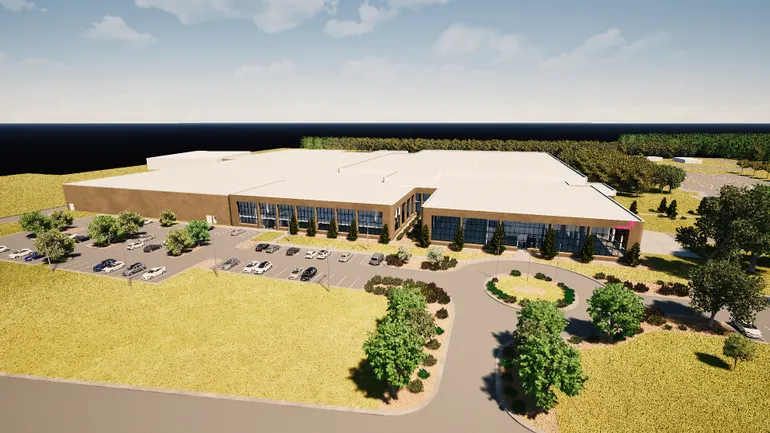
On the investment front, several companies have announced major expansions. ArtiCast Holdings plans to invest $10.3 million to open a new factory in Michigan, creating 100 jobs. Meanwhile, Hitachi Energy is set to spend $528 million to expand its transformer manufacturing facility in Gallman, Mississippi, doubling both production capacity and workforce by creating over 700 jobs. This expansion is part of a broader $1.5 billion commitment to American manufacturing.
What This Means for Your Business
For businesses in the AECM sector, these developments present a mixed bag of opportunities and challenges. The dip in manufacturing output could signal a cooling period that might affect supply chain dynamics and pricing strategies. However, the substantial investments by companies like Hitachi Energy and ArtiCast suggest a robust commitment to expanding manufacturing capabilities in the U.S. This could open up new procurement opportunities and partnerships for contractors in the aerospace, defense, and automotive sectors.
Compliance officers should note that increased manufacturing capacity could lead to tighter regulatory scrutiny, particularly in areas like CMMC and NIST compliance. Companies involved in government contracting should prepare for potential audits and align their cybersecurity measures with federal standards to maintain competitive positioning.
Investment in high-pressure die-casting equipment by ArtiCast and the expansion of transformer production by Hitachi could also lead to a ripple effect, boosting demand for specialized components and services. This creates a fertile ground for suppliers and subcontractors to align their offerings with these growing needs, potentially enhancing ROI.
What US Operators Should Watch
Operators should closely monitor the construction timeline for Hitachi Energy's expanded facility, slated to begin later this year with production starting in 2029. This long-term project will demand sustained attention from suppliers and contractors seeking to engage with Hitachi's supply chain.
The steady increase in metalworking machinery orders suggests a burgeoning demand for manufacturing technology. Companies should track this trend as it could impact procurement strategies and investment decisions in the near term.
Finally, businesses should keep an eye on regulatory changes and compliance deadlines related to manufacturing expansions, particularly in cybersecurity and environmental standards, to ensure alignment with federal requirements.
Source: Manufacturing Dive. Read the original story ->
Is your firm ready for what’s next?
VisioneerIT helps AECM and government contractors modernize operations, achieve compliance, and implement AI.
Explore VisioneerIT Solutions →