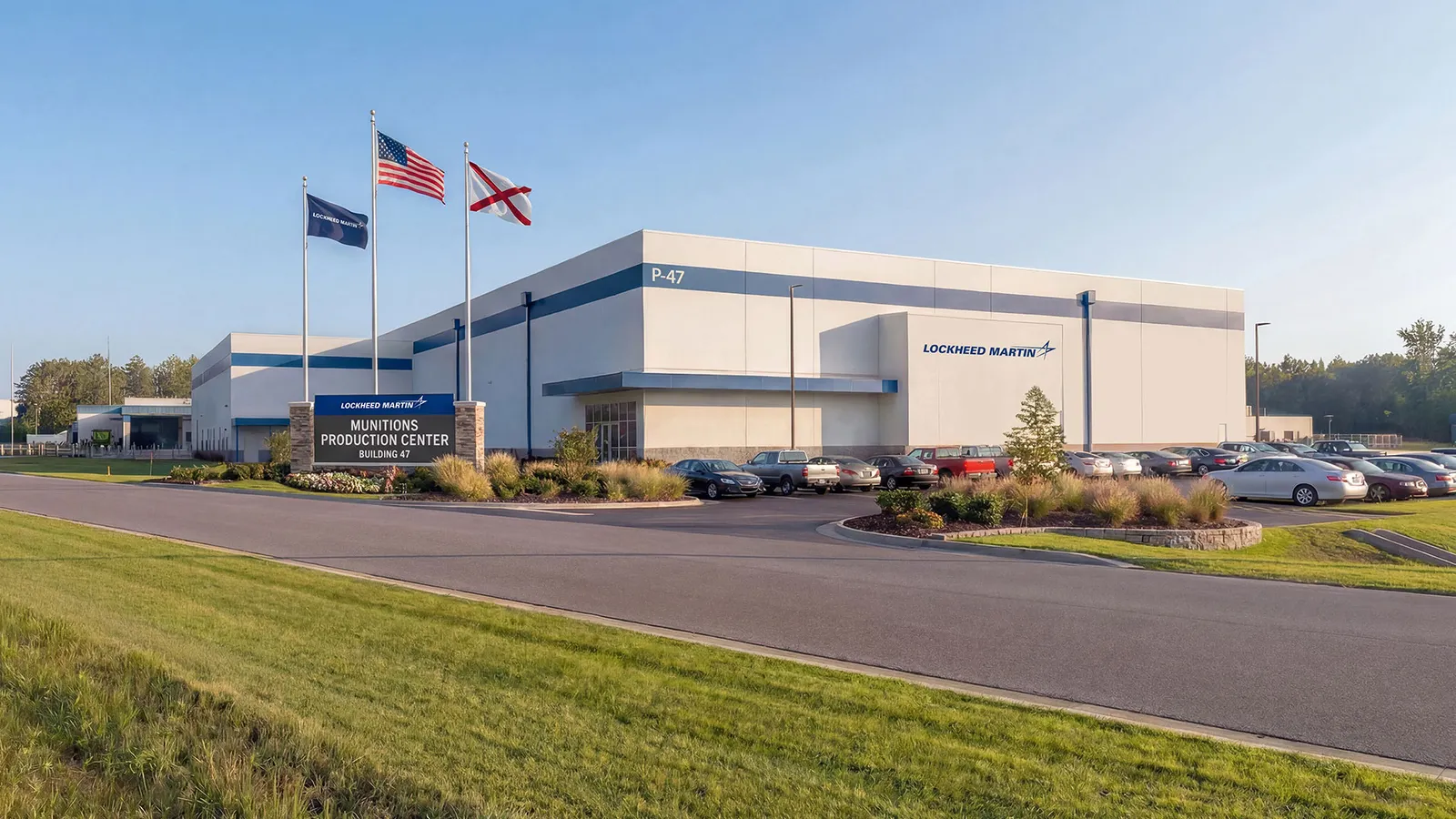
Lockheed Martin has signed a monumental $35 billion contract with the Department of Defense to significantly ramp up production of its Terminal High Altitude Area Defense (THAAD) missile interceptors. This contract, aimed at quadrupling current production levels, underscores the growing demand for advanced defense systems amid heightened global security tensions.
What Happened
Lockheed Martin will manufacture THAAD missile rounds across its facilities located in Texas, California, Arkansas, and Alabama. The strategic distribution of these production sites is designed to optimize output and meet the increasing demand for munitions. In addition to securing the contract, Lockheed Martin is investing over $9 billion to enhance its production capabilities, ensuring the fulfillment of this contract through 2030. The investment not only covers the expansion of manufacturing facilities but also includes the integration of advanced technologies to streamline production processes.
What This Means for Your Business
For businesses operating within the AECM industry, especially those involved in government contracting and defense manufacturing, this development presents a significant opportunity. The contract will likely lead to increased procurement needs for materials and components, offering potential supply chain partnerships. Companies that can align with Lockheed Martin's production requirements may find lucrative subcontracting opportunities. Moreover, the contract emphasizes the importance of compliance with federal standards, such as the Cybersecurity Maturity Model Certification (CMMC), National Institute of Standards and Technology (NIST) guidelines, and Zero Trust architecture, which will be crucial for maintaining competitive advantage and securing government contracts.
What US Operators Should Watch
Operators should monitor upcoming federal procurement windows and align their capabilities with the production needs of Lockheed Martin. Staying abreast of regulatory changes and ensuring compliance with cybersecurity requirements will be essential. Additionally, companies should prepare for potential audits under the CMMC framework, as adherence to these standards will be pivotal in securing future contracts. With the contract running through 2030, businesses have a substantial timeline to adapt and position themselves as key players in the defense supply chain.
Source: [Manufacturing Dive]. Read the original story ->
Partner Insight · VisioneerIT
The recent $35 billion contract awarded to Lockheed Martin highlights the increasing demand for compliance with federal standards in the defense sector. Companies looking to secure government contracts must ensure they meet the necessary cybersecurity requirements and production capabilities to remain competitive.
Explore VisioneerIT Cybersecurity →
Is your firm ready for what’s next?
VisioneerIT helps AECM and government contractors modernize operations, achieve compliance, and implement AI.
Explore VisioneerIT Solutions →