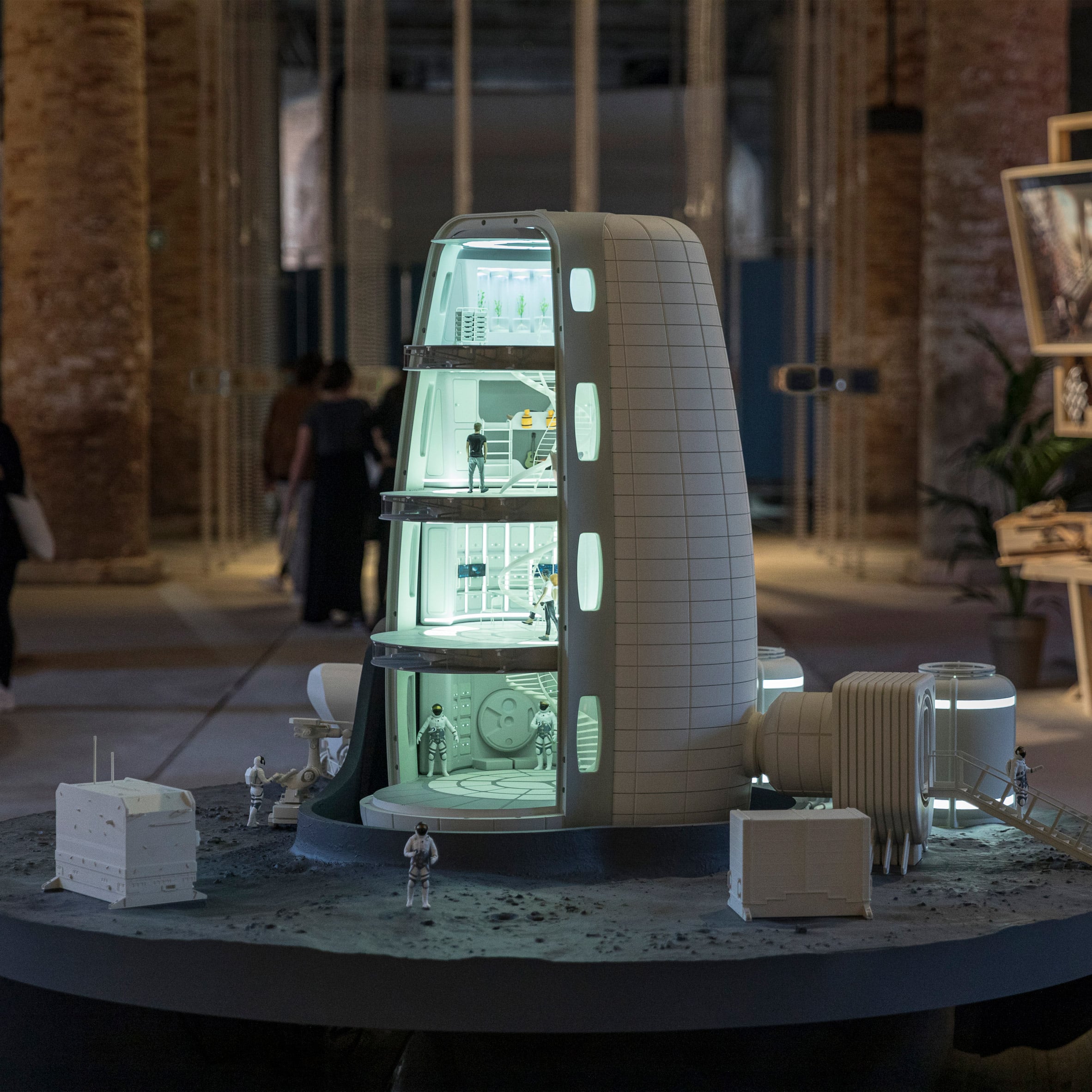
With the imminent reality of human habitation on the moon, architects are confronted with the challenge of designing not just functional, but also desirable, living spaces in extraterrestrial environments. As nations and private companies accelerate their lunar missions, the architectural community must innovate beyond Earth-bound paradigms to create sustainable and comfortable habitats for human life in space.
What Happened
The prospect of humans living on the moon is no longer science fiction. With various space agencies and private enterprises like NASA and SpaceX planning to establish lunar bases, the emphasis has shifted from merely landing on the moon to creating long-term habitats. Jonathan Morrison highlights that current architectural efforts must focus on the unique challenges posed by the lunar environment, such as extreme temperatures, radiation exposure, and low gravity. The design of lunar habitats will need to incorporate advanced materials and technologies to ensure sustainability and resilience in such a hostile setting.
What This Means for Your Business
For AECM professionals, the burgeoning field of space architecture presents both opportunities and challenges. Companies investing in innovative materials and construction technologies stand to gain a competitive edge as demand for off-Earth infrastructure grows. There is potential for lucrative contracts from government space programs and private ventures, which are investing billions into lunar colonization. Furthermore, compliance with space-specific safety and sustainability standards will be critical. Firms that align their R&D with these emerging requirements may capture significant portions of this nascent market.
What US Operators Should Watch
Key timelines for AECM stakeholders include NASA's Artemis program milestones, which aim for a sustained human presence on the moon by the late 2020s. Procurement opportunities will arise as contracts are awarded for habitat construction and related technologies. Additionally, tracking developments in international space law and environmental guidelines will be essential for compliance and strategic planning. Firms should also monitor advancements in materials science and robotics, which are pivotal to constructing and maintaining lunar habitats.
Source: Dezeen. Read the original story ->
Partner Insight · VisioneerIT
As the demand for innovative materials and technologies grows in the field of space architecture, technology companies can benefit from strategic guidance to secure government contracts. VisioneerIT specializes in helping firms navigate federal compliance and capture strategies for lucrative opportunities in the aerospace sector.
Explore VisioneerIT Cybersecurity →
Is your firm ready for what’s next?
VisioneerIT helps AECM and government contractors modernize operations, achieve compliance, and implement AI.
Explore VisioneerIT Solutions →