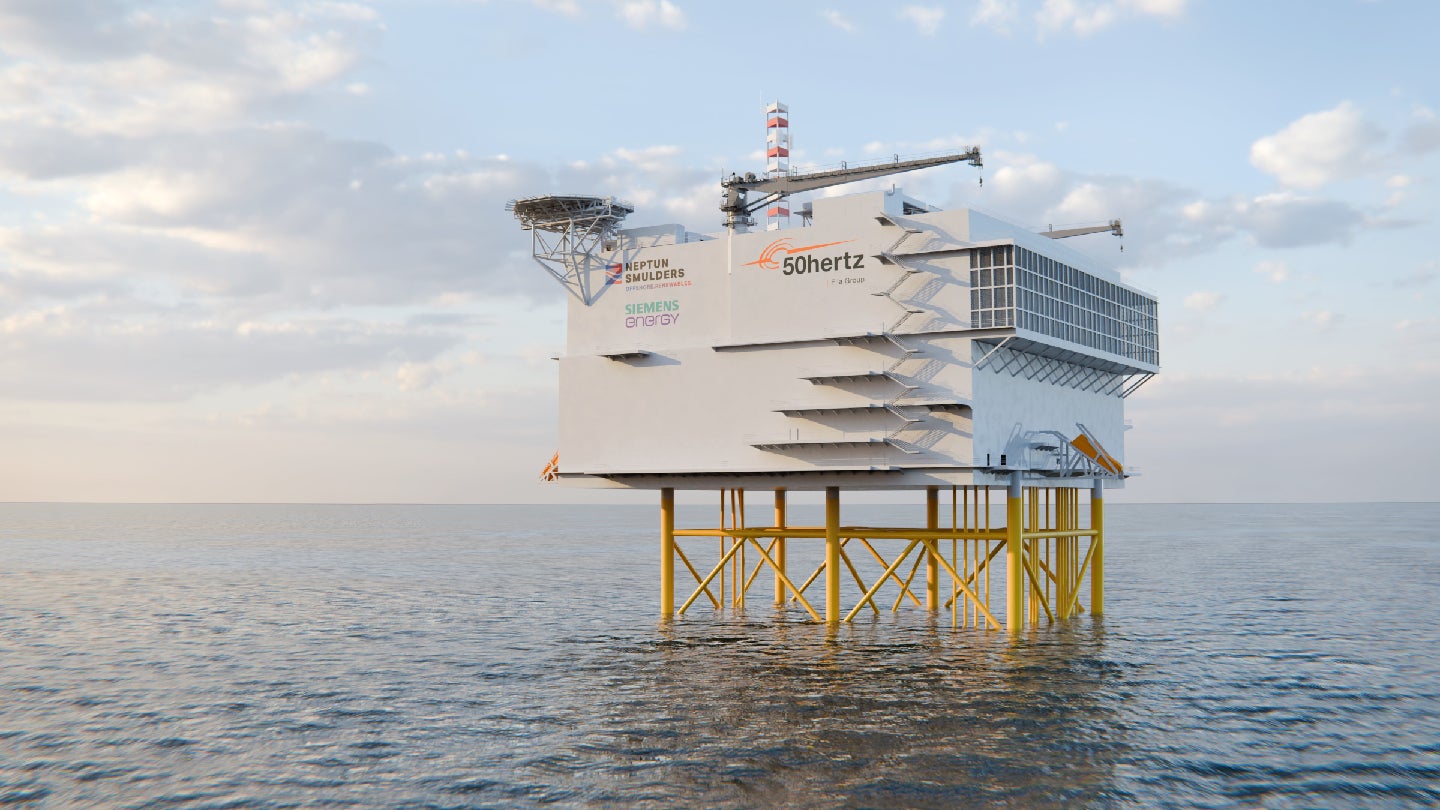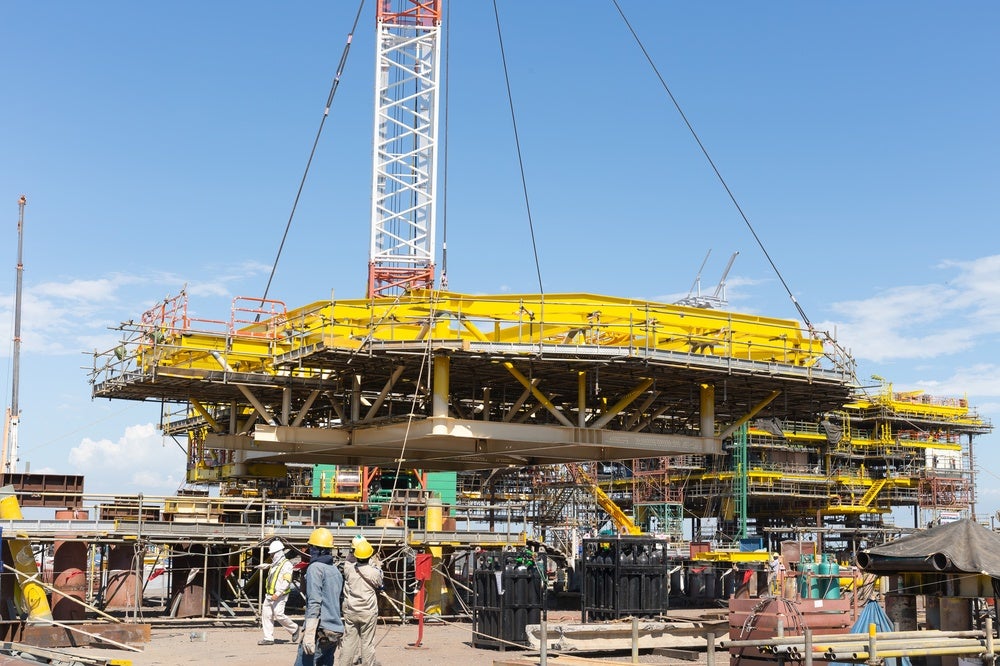
The global energy landscape is witnessing a seismic shift as major investments pivot towards infrastructure that processes, transports, and exports energy. This shift is underscored by a staggering $530.5 billion in projects worldwide, with a significant portion focused on LNG developments. For the AECM industry, this trend signifies an evolving market where infrastructure takes precedence over new production.
What Happened
The largest oil and gas projects globally are concentrating on LNG infrastructure, with 10 out of the 20 top ventures being LNG developments, collectively worth $270.1 billion. Leading the pack is Argentina's Sierra Grande Floating LNG Production Plant, valued at $50 billion. The United States is also a significant player, contributing four major projects, including the $33.5 billion CP2 LNG Export Facility. Other notable countries involved in these large-scale projects include Canada, Mozambique, Russia, and Australia.
The focus is not just on production but on the entire energy supply chain. For instance, Algeria's $25 billion Trans Saharan Gas Pipeline and three major hydrogen pipeline projects in Africa emphasize the increasing importance of moving energy efficiently across vast regions.
What This Means for Your Business
For AECM professionals, the surge in LNG and transportation infrastructure presents numerous opportunities. These projects require extensive expertise in engineering, construction, and compliance, particularly with evolving standards like the Cybersecurity Maturity Model Certification (CMMC) and National Institute of Standards and Technology (NIST) guidelines. Firms with capabilities in managing large-scale, complex projects will find lucrative prospects in this shifting market.
Additionally, the focus on infrastructure over new production underscores the need for robust procurement strategies and partnerships that can handle the intricacies of international energy logistics. The ROI for U.S. operators could be significant, particularly in projects like the CP2 LNG Export Facility, which positions the U.S. as a key player in the global LNG market.
What US Operators Should Watch
U.S. operators should closely monitor the progression of these projects, especially those that have reached execution, such as the CP2 LNG and the Trans Saharan Gas Pipeline. Understanding the timelines for these projects, including federal deadlines for compliance and procurement windows, will be crucial. Staying informed about CMMC audit dates and bid opportunities can provide a competitive edge in securing contracts.
Source: https://www.worldconstructionnetwork.com/analysis/top-20/largest-oil-and-gas-projects/. Read the original story ->
Is your firm ready for what’s next?
VisioneerIT helps AECM and government contractors modernize operations, achieve compliance, and implement AI.
Explore VisioneerIT Solutions →