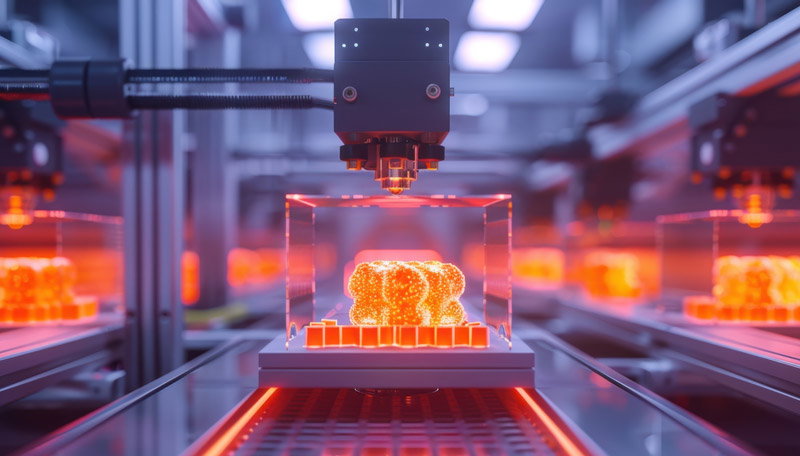
In a rapidly evolving manufacturing landscape, US companies are increasingly turning to laser cutting automation to enhance productivity and maintain competitive advantage. As automation technology ranges from basic load/unload systems to sophisticated storage and retrieval solutions, understanding where to begin can be crucial for decision-makers.
What Happened
Laser cutting automation has become a pivotal component in modern manufacturing processes, offering a spectrum of technologies that can significantly streamline operations. The technology involves systems that range from simple automation, such as load/unload mechanisms, to complex integrated storage and retrieval frameworks. This advancement is not just about cutting efficiency; it encapsulates the entire workflow, from material storage to final product delivery. As global competition intensifies, adopting such technologies can mean the difference between thriving and merely surviving in today's market.
What This Means for Your Business
For US manufacturers, especially those engaged in defense and government contracting, integrating laser cutting automation can lead to significant operational efficiencies and cost savings. Automation reduces labor costs, minimizes material waste, and increases throughput, directly impacting the bottom line. Moreover, in sectors bound by stringent compliance requirements such as CMMC and NIST, automation ensures precision and repeatability, which are critical for maintaining regulatory standards. As federal agencies ramp up their demand for high-quality, timely deliverables, companies equipped with these technologies will be better positioned to secure lucrative contracts and remain compliant with zero-trust architecture requirements.
What US Operators Should Watch
US businesses should closely monitor advancements in laser cutting technology and the associated procurement opportunities. Staying informed about federal funding programs that support automation adoption can provide financial leverage for initial investments. Additionally, understanding the timelines for compliance audits, such as those related to CMMC, will ensure that automation systems are aligned with federal standards. As the market for advanced manufacturing technologies grows, so too will the opportunities for businesses that are prepared to integrate these innovations into their operations.
Partner Insight · VisioneerIT
Integrating advanced automation technologies, such as laser cutting, can significantly enhance operational efficiency and precision in manufacturing processes. VisioneerIT specializes in modernizing systems to support such innovations, ensuring businesses remain competitive in a rapidly evolving landscape.
Explore VisioneerIT Cybersecurity →
Is your firm ready for what’s next?
VisioneerIT helps AECM and government contractors modernize operations, achieve compliance, and implement AI.
Explore VisioneerIT Solutions →