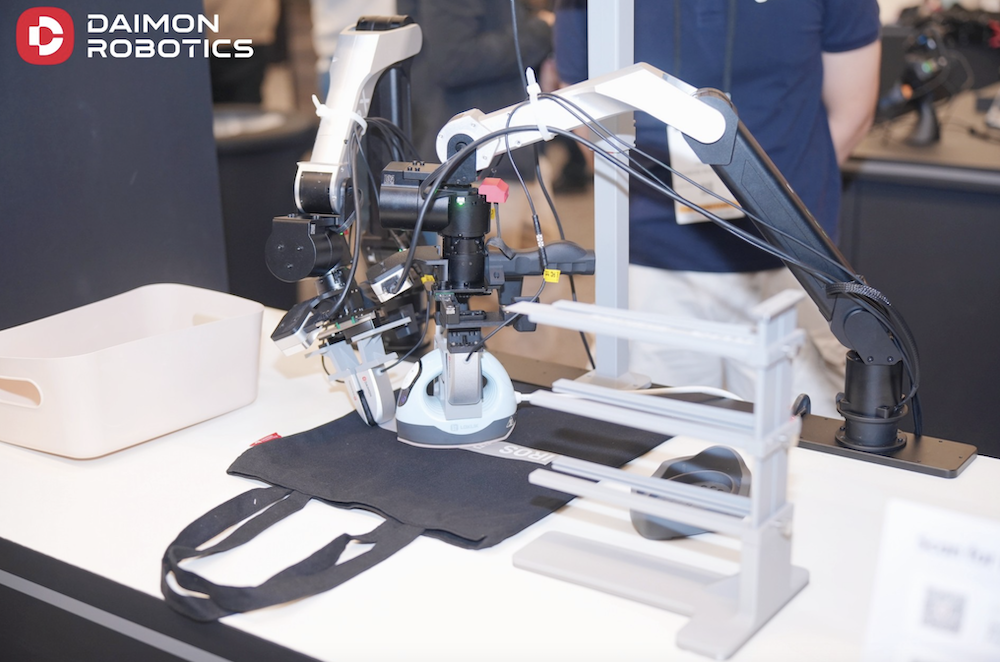
HP's François Minec recently highlighted the transformative role of AI and automation in scaling polymer 3D printing. As the manufacturing sector grapples with increasing demands for customization and speed, these technologies are set to redefine production economics and design capabilities.
What Happened
HP, a leader in the 3D printing space, is pioneering efforts to integrate artificial intelligence and automation into additive manufacturing processes. François Minec, an executive at HP, delved into the specifics of how these advanced technologies can enhance the scalability of polymer 3D printing. The integration of AI and automation is not just a futuristic vision but a present reality, enabling manufacturers to optimize production economics, streamline software integration, and expand design capabilities. HP's approach includes leveraging AI for predictive maintenance and quality control, while automation reduces manual intervention, thereby increasing throughput and reducing costs.
What This Means for Your Business
For AECM professionals, the implications of HP's advancements are profound. The integration of AI and automation into additive manufacturing processes can significantly reduce time-to-market for new products, offering a competitive edge in industries where speed and customization are critical. As the demand for personalized products grows, the ability to efficiently scale production without compromising on quality becomes crucial. Moreover, adopting these technologies can ensure compliance with evolving industry standards, such as the Cybersecurity Maturity Model Certification (CMMC) and Zero Trust principles, by incorporating robust data management and security protocols into manufacturing workflows. Investing in AI-driven 3D printing solutions can thus enhance ROI by reducing operational costs and enabling innovative design capabilities.
What US Operators Should Watch
US-based operators should monitor advancements in AI and automation technologies applicable to 3D printing. Key timelines include staying updated on federal funding opportunities for technology adoption that could offset initial investment costs. Additionally, keeping abreast of regulatory changes, such as updates to NIST standards, will be essential for maintaining compliance. As AI and automation continue to evolve, operators should be prepared for upcoming procurement windows that could offer advantageous terms for acquiring cutting-edge 3D printing systems.
Source: https://www.machinedesign.com/3d-printing-cad/video/55411867/hp-how-ai-automation-and-design-could-expand-additive-manufacturing. Read the original story ->
Partner Insight · VisioneerIT
The integration of AI and automation in manufacturing is crucial for enhancing production efficiency and scalability. VisioneerIT specializes in modernizing software systems to support these advancements, ensuring that businesses can leverage cutting-edge technologies effectively.
Explore VisioneerIT Cybersecurity →
Is your firm ready for what’s next?
VisioneerIT helps AECM and government contractors modernize operations, achieve compliance, and implement AI.
Explore VisioneerIT Solutions →