Biotechnology's future hinges on overcoming manufacturing bottlenecks, and AI and robotics are emerging as critical tools in this quest. As the biotech industry increasingly integrates artificial intelligence for research and development, the need to streamline manufacturing processes has become urgent. For stakeholders in the architecture, engineering, construction, and manufacturing (AECM) sectors, understanding this intersection could unlock new opportunities and drive efficiencies.
What Happened
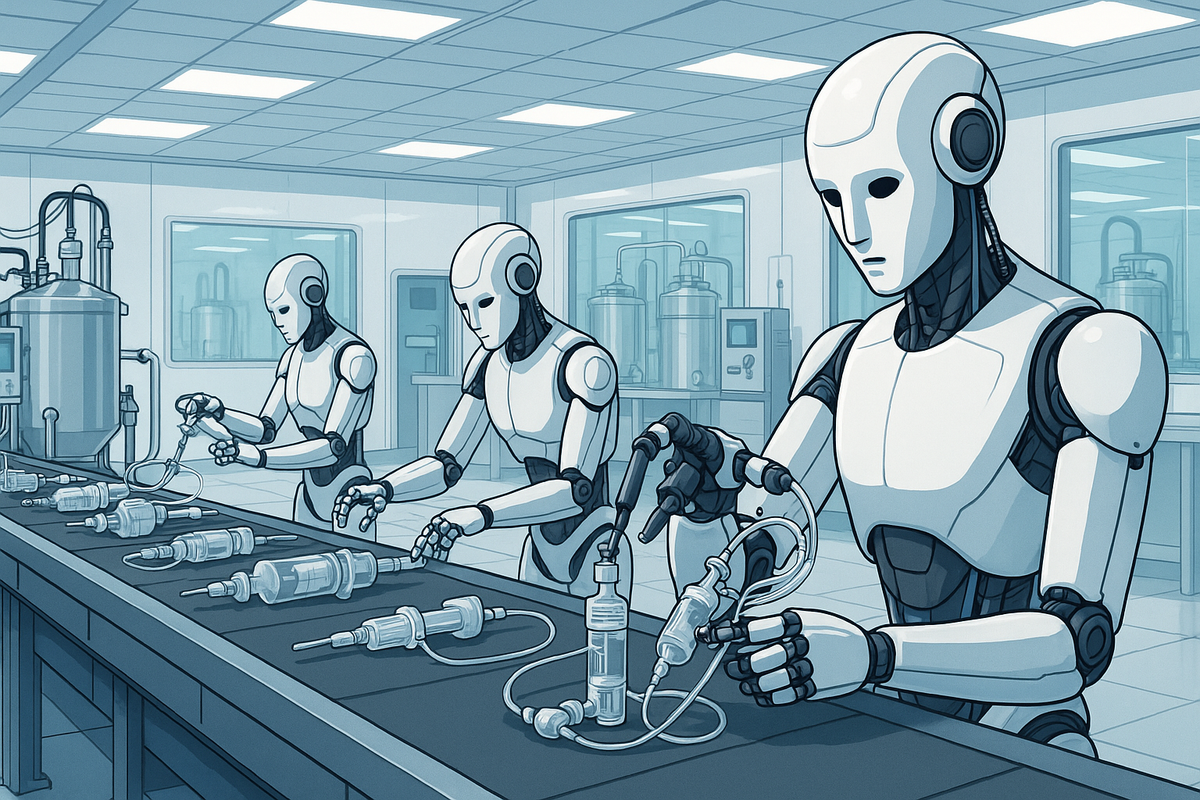
The biotech industry faces significant challenges in scaling up production to meet global health demands. Manufacturing bottlenecks have long been a barrier to the rapid deployment of new health solutions. According to a recent article by Ray Fernandez on Forbes, AI and robotics are poised to play a transformative role in addressing these constraints. AI is being leveraged to optimize R&D processes, accelerating the discovery of new therapies and diagnostics. Meanwhile, robotics is enhancing manufacturing efficiencies by automating complex production tasks, reducing human error, and increasing throughput.
The integration of AI in biotech R&D has already shown promising results, enabling companies to sift through vast datasets to identify potential drug candidates faster than traditional methods. This technological advancement is crucial, especially in the wake of recent global health challenges that have underscored the need for rapid response capabilities. Robotics further complements this by automating the production lines, thus minimizing delays and enhancing the precision of manufacturing processes. Together, these technologies are not only bridging existing bottlenecks but also setting a new standard for innovation in the biotech manufacturing sector.
What This Means for Your Business
For AECM professionals, the burgeoning role of AI and robotics in biotechnology presents several implications. Firstly, there are opportunities to engage in the design and construction of next-generation manufacturing facilities equipped with advanced technologies. These facilities will require specialized infrastructure to support AI-driven processes and robotic automation. Companies in the construction and engineering sectors can position themselves as leaders in building these cutting-edge facilities.
Moreover, the shift towards AI and robotics necessitates compliance with new standards and protocols, particularly in cybersecurity and data integrity. For instance, adherence to frameworks such as the Cybersecurity Maturity Model Certification (CMMC) and the National Institute of Standards and Technology (NIST) guidelines will be critical for companies involved in biotech manufacturing. Ensuring compliance will not only mitigate risks but also enhance competitive positioning in a rapidly evolving market.
The integration of AI and robotics also promises to improve return on investment for US operators by reducing production costs and increasing output quality. As efficiency improves, companies can expect to see significant cost savings, which can be reinvested into further innovation and expansion.
What US Operators Should Watch
Professionals in the AECM sectors should closely monitor developments in AI and robotics technologies as they relate to biotech manufacturing. Key timelines include the implementation of federal regulations that may impact manufacturing practices and compliance requirements. Staying informed about updates to the CMMC and NIST standards is essential for maintaining a competitive edge.
Additionally, keeping an eye on federal funding opportunities for technological advancements in biotech can provide a strategic advantage. As the government continues to support innovation in this field, there may be lucrative contracts and grants available for companies that are at the forefront of integrating these technologies.
In summary, the fusion of AI and robotics with biotech manufacturing is reshaping the industry landscape. For AECM professionals, understanding and adapting to these changes is crucial for capitalizing on the emerging opportunities and meeting the demands of a rapidly evolving market.
---
Source: https://www.forbes.com/sites/ray-fernandez/2026/10/02/how-biotech-ai-and-robotics-bridge-bottlenecks-to-impact-global-health/. Read the original story ->
Partner Insight · VisioneerIT
The integration of AI and robotics in biotech manufacturing aligns with the capabilities of Digital Twin technology, which can optimize processes and infrastructure. By leveraging real-time analytics and IoT sensors, companies can enhance their manufacturing efficiencies and respond to market demands more effectively.
Explore VisioneerIT Cybersecurity →
Is your firm ready for what’s next?
VisioneerIT helps AECM and government contractors modernize operations, achieve compliance, and implement AI.
Explore VisioneerIT Solutions →