Brazilian architecture firm Estúdio Módulo has revealed its innovative design for the new headquarters of Itaú Cultural in São Paulo, Brazil. This news is particularly significant for AECM professionals as it highlights the increasing emphasis on integrating high-tech, sustainable solutions with cultural and artistic expression in modern architecture.
What Happened
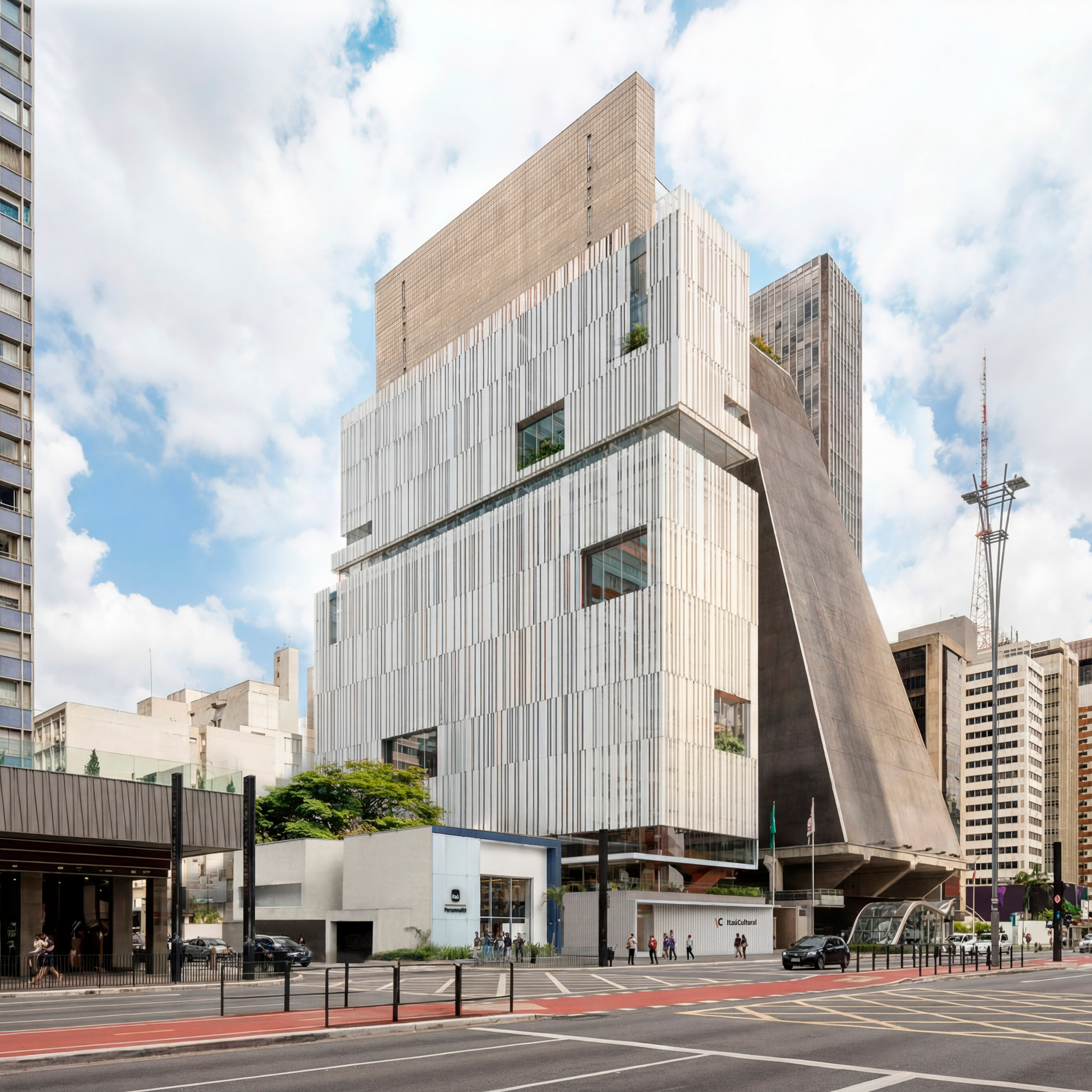
Estúdio Módulo, based in São Paulo, emerged victorious in a competitive design selection process for the Itaú Cultural headquarters, an institute dedicated to arts research. The design features a 19-story slender tower with a distinctive glass and white louvre facade, situated on the iconic Paulista Avenue. The building's design is intended to foster a strong connection with the urban environment, blending the legacy of Brazilian concrete art with cutting-edge technology and sustainability.
The headquarters will cover 12,275 square meters and include exhibition spaces, performance areas, educational facilities, studios, and public gathering spots. A striking terracotta staircase, visible through the building's floor-to-ceiling glass walls, aims to echo the artisanal character of Brazilian folk art. The design's kinetic aspect is conveyed through the facade's chromatic dynamism, which changes with the observer's movement.
What This Means for Your Business
The design of the Itaú Cultural headquarters reflects several trends that AECM professionals should consider. The integration of sustainable and high-tech solutions within the architectural framework could become a standard expectation in future projects. The use of dynamic facades and innovative materials may influence procurement decisions and compliance requirements, particularly as sustainability metrics become more stringent.
For firms engaged in government contracting, the emphasis on cultural and artistic integration in architecture could present new opportunities for collaboration with arts institutions and municipal bodies. The project's scale and complexity also underscore the importance of strategic partnerships and innovative construction techniques in successful project delivery.
What US Operators Should Watch
While the Itaú Cultural project is based in Brazil, its design principles could influence architectural trends globally, including in the US. AECM professionals should monitor developments in sustainable architecture and kinetic facade technologies, as these may impact future federal procurement standards and compliance requirements. Additionally, as urban centers in the US look to revitalize or expand cultural institutions, similar design and technology integrations may become more prevalent, offering new opportunities for US-based firms.
---
Source: https://www.dezeen.com/2026/10/05/estudio-modulo-itau-cultural-sao-paulo-design/. Read the original story ->
Is your firm ready for what’s next?
VisioneerIT helps AECM and government contractors modernize operations, achieve compliance, and implement AI.
Explore VisioneerIT Solutions →