Johnson & Johnson MedTech has introduced the Ottava surgical robot, marking a significant advancement in surgical technology with its table-integrated design. The robot's recent FDA de novo authorization highlights its potential to revolutionize operating room dynamics by saving space and enhancing surgical precision.
What Happened
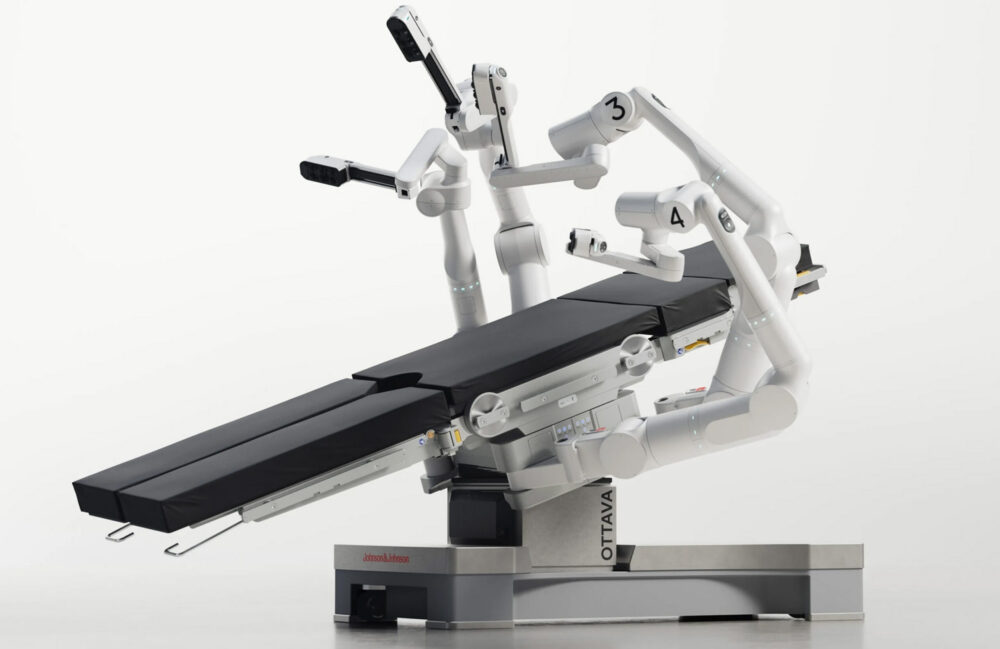
Johnson & Johnson's Ottava surgical robot is the world's first soft-tissue robotics system integrated directly into the operating table. This innovative design aims to address common space constraints in operating rooms by reducing the required setup space by 30-50% compared to traditional boom-and-cart systems. The Ottava robot features four robotic arms that can be retracted beneath the table when not in use, minimizing interference and optimizing the clinical workflow. Advanced software, motors, and sensors enable these arms to move into predefined positions with the push of a button, streamlining the setup and breakdown process.
The Ottava system also brings significant improvements in surgical instruments. Johnson & Johnson has redesigned commonly used instruments to enhance precision and reliability. Notably, the system includes a two-in-one needle driver with distinct "cut only" and "suture only" modes, addressing a survey finding that 83% of surgeons encountered inadvertent suture cuts in robotic surgeries. Additionally, J&J's patented scissor design maintains blade alignment for consistent cuts, a response to 98% of surgeons reporting issues with dull scissors.
What This Means for Your Business
For AECM professionals and government contractors, the introduction of Ottava could signal a shift in procurement trends and investment opportunities within the healthcare infrastructure space. The robot's compact, integrated design may reduce the need for extensive renovations or expansions of surgical suites, potentially lowering costs for healthcare facilities. Additionally, contractors involved in medical facility design and construction might see increased demand for spaces accommodating such advanced robotic systems.
Compliance with new technology standards, such as those set by Ottava's integration, will be critical for maintaining competitiveness. Companies should prepare for potential updates to regulations and standards, ensuring that their services align with the latest advancements in medical technology.
What US Operators Should Watch
Decision-makers in the AECM sector should closely monitor the rollout of Ottava across healthcare facilities. Key timelines include potential procurement opportunities as hospitals and clinics seek to upgrade their surgical technology. Staying informed about regulatory changes related to medical robotics and surgical procedures will be crucial for compliance and strategic planning.
As Ottava integrates with the Polyphonic digital ecosystem, there may be further developments in data management and training that could impact how facilities operate and collaborate. Keeping abreast of these changes will be essential for optimizing ROI and maintaining a competitive edge.
Source: https://www.therobotreport.com/photos-first-look-at-jjs-ottava-surgical-robot/. Read the original story ->
Partner Insight · VisioneerIT
The introduction of advanced surgical robots like Ottava highlights the growing intersection of technology and healthcare, which is crucial for AECM professionals involved in medical facility design. Ensuring compliance with evolving technology standards will be vital for securing government contracts in this sector.
Explore VisioneerIT Cybersecurity →
Is your firm ready for what’s next?
VisioneerIT helps AECM and government contractors modernize operations, achieve compliance, and implement AI.
Explore VisioneerIT Solutions →