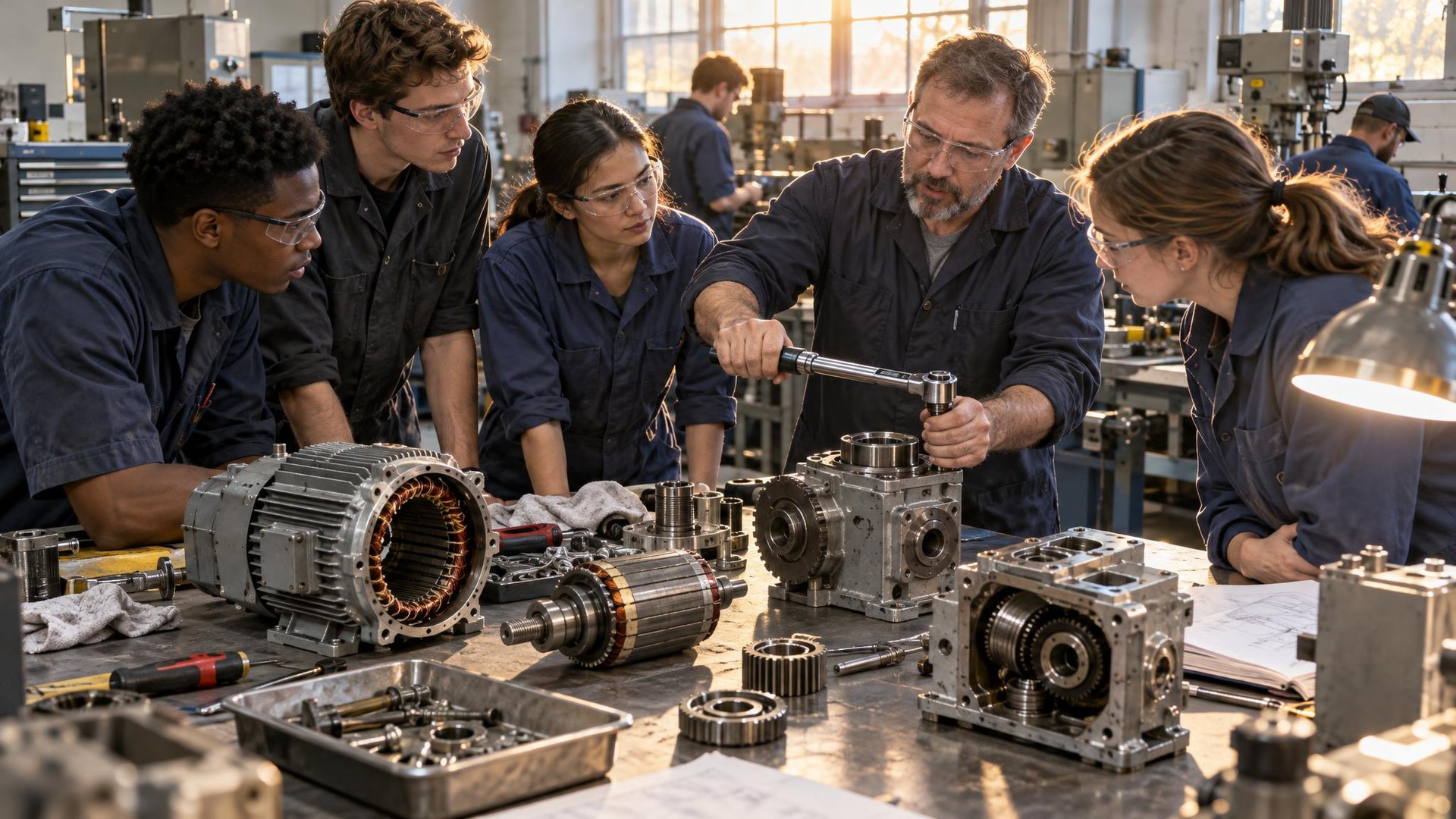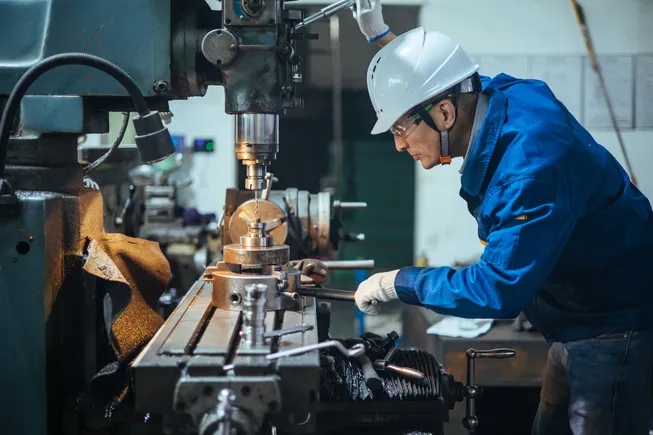
In today's rapidly evolving manufacturing landscape, equipment manufacturers face mounting pressure to deliver high-quality systems faster, particularly in sectors like data centers and warehouse automation. This urgency is compounded by persistent labor shortages and supply chain disruptions. The key to navigating these challenges lies in integration—specifically the integration of engineering software with hardware systems and production workflows. This approach not only bridges the gap between engineering and manufacturing but also enhances agility, quality, and repeatability.
What Happened
As equipment manufacturers strive to meet tightening deadlines, the integration of engineering software with physical production systems is proving to be a game-changer. Companies like Rittal and Eplan are at the forefront, offering solutions that connect design work more closely to manufacturing processes. By incorporating electrical, hydraulic, and pneumatic specifications early in the design phase, manufacturers can reduce errors and streamline the entire production workflow. This integration facilitates the creation of a "digital backbone," where consistent engineering data informs every step of the process—from layout and component placement to wire processing and manufacturing instructions. Such holistic design approaches not only improve accuracy but also support a seamless transition from design to assembly, ultimately speeding up time to market.
What This Means for Your Business
For businesses involved in machine building and automation, embracing integrated solutions can significantly impact their bottom line. By reducing manual data entry and enhancing consistency between design and execution, manufacturers can achieve faster quoting and delivery cycles. This efficiency translates into quicker revenue generation and improved competitive positioning. Furthermore, robust documentation resulting from integrated processes ensures that manufacturers are not overly reliant on individual experts, thereby preserving critical knowledge and simplifying equipment maintenance and servicing. For companies looking to stay compliant with evolving standards, such as the Cybersecurity Maturity Model Certification (CMMC), having a reliable and integrated system can streamline compliance efforts and reduce the risk of costly errors.
What US Operators Should Watch
Operators should keep an eye on emerging technologies and software solutions that facilitate integration and streamline production processes. With federal funding opportunities often tied to compliance with specific standards, staying informed about regulatory changes and deadlines is crucial. Additionally, as more manufacturers adopt integrated solutions, those who remain reliant on outdated, disconnected systems may find themselves at a competitive disadvantage. Decision-makers should also track advancements in modular solutions, which can further enhance speed to market and operational efficiency.
Is your firm ready for what’s next?
VisioneerIT helps AECM and government contractors modernize operations, achieve compliance, and implement AI.
Explore VisioneerIT Solutions →