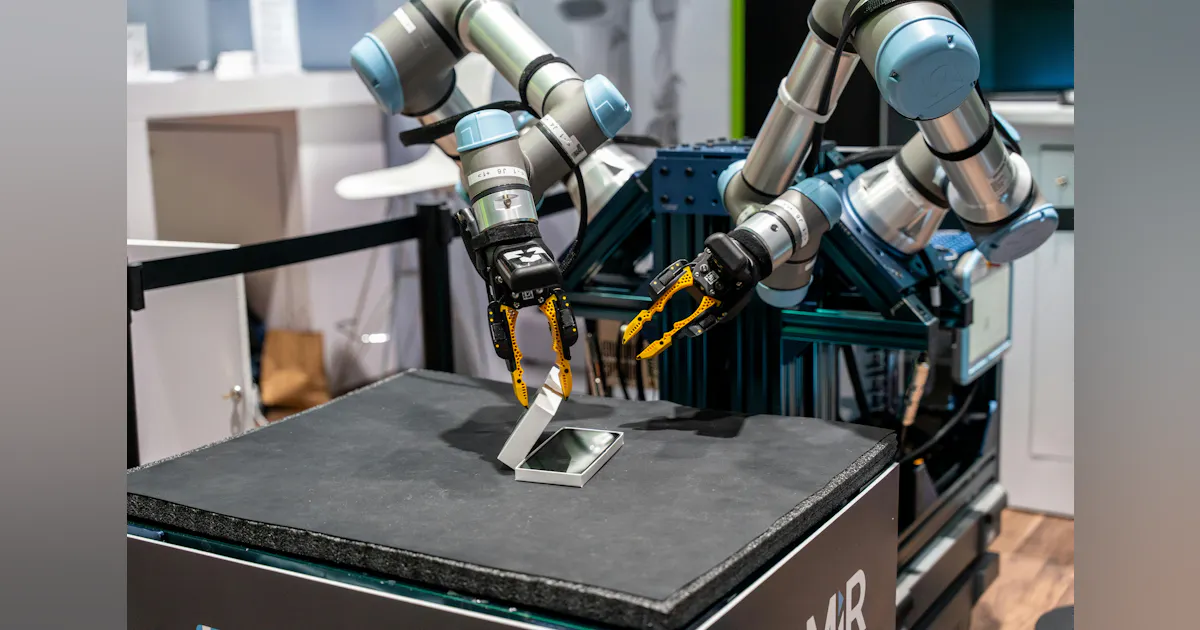
Icarus Robotics' decision to power its JOY free-flying space robot with KULR Technology Group's advanced battery systems marks a significant milestone in autonomous space operations. This partnership is set to propel the JOY platform to the International Space Station (ISS) by early 2027, underscoring the growing intersection of robotics and aerospace technology.
What Happened
Icarus Robotics, a burgeoning player in the space robotics sector, has announced its collaboration with KULR Technology Group to equip its autonomous flying robot, JOY, with KULR's KULR ONE Space (K1S) battery systems. These batteries, designed to meet NASA's stringent safety standards, have already demonstrated their reliability in the Artemis II crewed lunar mission. The JOY robot, slated for deployment on the ISS, will utilize these batteries to navigate and perform tasks autonomously, enhancing the efficiency of operations aboard the space station. Icarus Robotics co-founder and CEO Ethan Barajas highlighted the importance of KULR’s flight heritage, noting that leveraging components with proven space performance facilitates faster NASA approval processes.
The partnership between Icarus and KULR is not just about technology but also about strategic alignment. KULR’s domestic manufacturing capabilities ensure supply chain reliability, a critical factor for future space missions. Icarus first unveiled its intent to send JOY to the ISS in March, following its mission management contract with Voyager Technologies. The robot, powered by embodied artificial intelligence, aims to assist with routine tasks and infrastructure maintenance, freeing astronauts to focus on high-value research.
What This Means for Your Business
For AECM and government contractors, this development highlights the importance of leveraging proven technologies with established safety credentials. The KULR ONE Space battery systems, built on a lightweight REACH architecture, offer high energy density while adhering to NASA's rigorous safety standards, such as the JSC 20793 requirements. This adherence to safety protocols, which prevent cell-to-cell thermal runaway, is crucial for any contractor seeking to participate in space-related projects.
The collaboration also underscores the need for domestic manufacturing and supply chain reliability in aerospace ventures. Companies looking to engage in government contracting for space missions should prioritize partners with a robust flight heritage and domestic production capabilities. As the space sector continues to expand, there will be increased opportunities for those who can offer reliable, compliant, and innovative solutions.
What US Operators Should Watch
As the deployment of JOY approaches in early 2027, companies should monitor the evolving regulatory landscape for space technologies, particularly battery safety standards like NASA's JSC 20793. Additionally, with the increasing emphasis on domestic production, businesses should assess their supply chain strategies to align with federal priorities. Keeping abreast of NASA's procurement windows and mission announcements will be crucial for securing participation in upcoming space projects.
Source: [The Robot Report]. Read the original story ->
Is your firm ready for what’s next?
VisioneerIT helps AECM and government contractors modernize operations, achieve compliance, and implement AI.
Explore VisioneerIT Solutions →