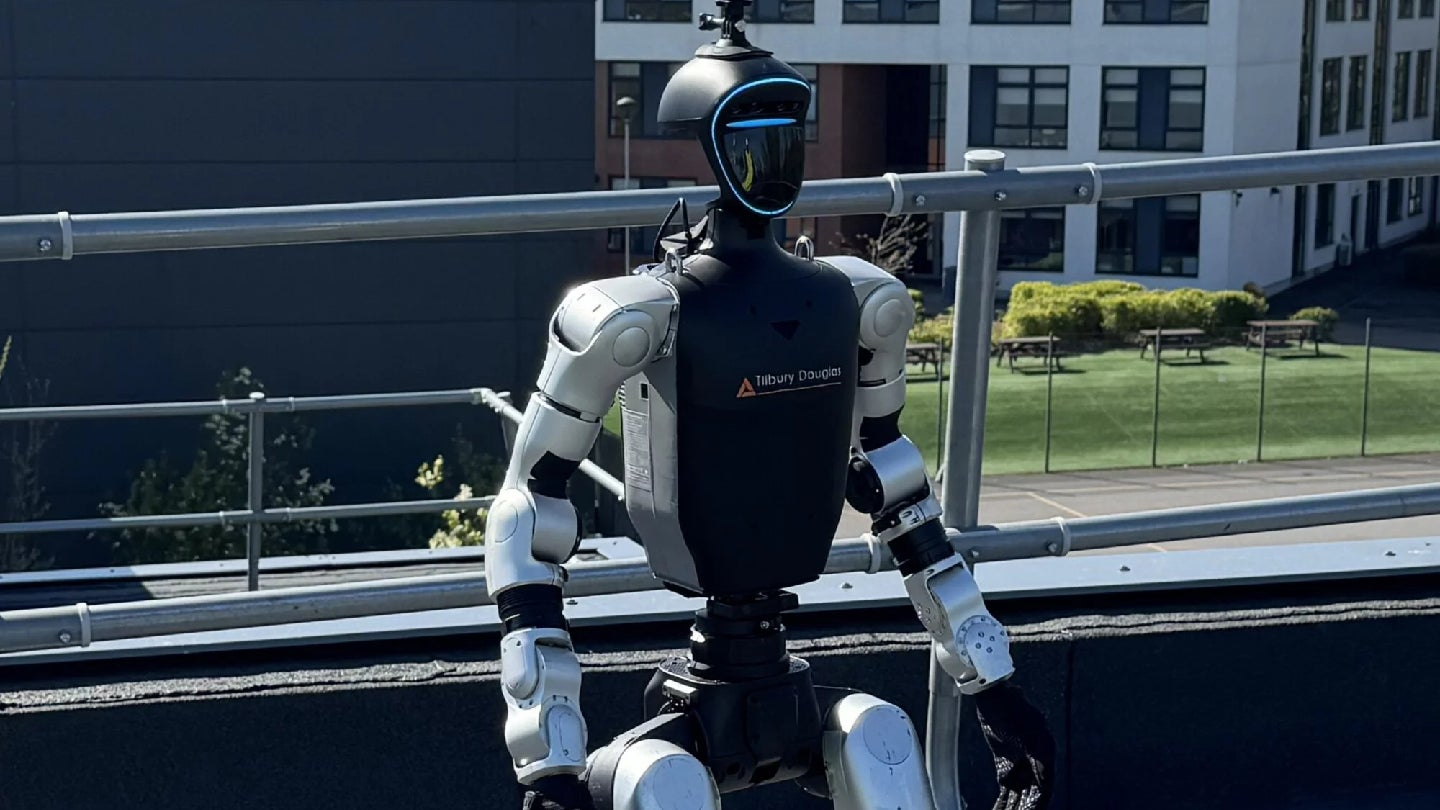
In a move that could signal a turning point for construction technology in the UK, Tilbury Douglas has introduced a humanoid robot named Douglas to a live construction site. This deployment marks the first instance of a major UK contractor utilizing humanoid robotics in such an environment, highlighting the potential for automation to enhance efficiency in the construction industry.
What Happened
Tilbury Douglas, a prominent UK construction and engineering firm, has deployed a humanoid robot on a live project site as part of its broader digital transformation strategy. The robot, aptly named Douglas, is tasked with independently navigating the site to capture 360° imagery and compile detailed progress reports. This technological advancement aims to streamline project monitoring and health and safety reporting, ultimately saving the company an estimated 40 hours each month in administrative tasks. The time saved allows human team members to focus on more technical and operational duties, thereby enhancing overall project efficiency and compliance. Mark Buckle, Tilbury Douglas' technical director, emphasized the deployment's role in addressing the industry's ongoing skills shortage and resource challenges. By automating routine documentation processes, the company hopes to empower its workforce to concentrate on high-value tasks.
This initiative is part of a larger effort by Tilbury Douglas to integrate new technologies into its construction operations. The company, known for its work across various sectors such as health, education, and infrastructure, aims to redefine roles within the construction workforce through automation. Earlier this month, Tilbury Douglas also secured a position on the Procure Partnerships North West Framework, covering projects with values ranging from £5 million to over £30 million, highlighting its commitment to innovation and growth.
Why It Matters for the AECM Industry
The introduction of humanoid robots on construction sites represents a significant shift in how the AECM industry approaches project management and labor allocation. By automating routine tasks, such as documentation and site monitoring, companies can potentially reduce labor costs and mitigate the impact of workforce shortages. This technology also offers a solution to enhance health and safety reporting, providing real-time data that can improve compliance with regulatory standards.
For project managers and site supervisors, the deployment of such technology means reallocating human resources to more critical tasks that require technical expertise. This shift could lead to faster project completion times and increased productivity, as workers focus on problem-solving and innovation rather than mundane data collection. Furthermore, the adoption of robotics in construction may drive competitive dynamics, pushing firms to invest in digital tools to remain relevant.
However, the transition to automated systems also presents challenges, such as the need for skilled personnel to operate and maintain these technologies. Companies may need to invest in training programs to upskill their workforce, ensuring that employees can effectively integrate these new tools into their daily operations.
What's Next
As Tilbury Douglas continues its digital transformation journey, industry professionals should closely monitor the outcomes of this robotic deployment. Key milestones to watch include performance evaluations of the robot's efficiency, potential scaling of the technology across other projects, and any adjustments in regulatory compliance standards that may arise from increased automation.
Additionally, with the Procure Partnerships North West Framework in place until 2030, Tilbury Douglas is well-positioned to expand its innovative practices across a range of public sector projects. Industry stakeholders should prepare for a potential increase in demand for digital solutions and consider how these technologies might be integrated into their own operations.
Is your firm ready for what’s next?
VisioneerIT helps AECM and government contractors modernize operations, achieve compliance, and implement AI.
Explore VisioneerIT Solutions →Tracking the right federal opportunities?
OryonIQ's AI platform monitors agency forecasts, contract awards, and procurement timelines — so government contractors always know what’s coming next.
Try OryonIQ Free →