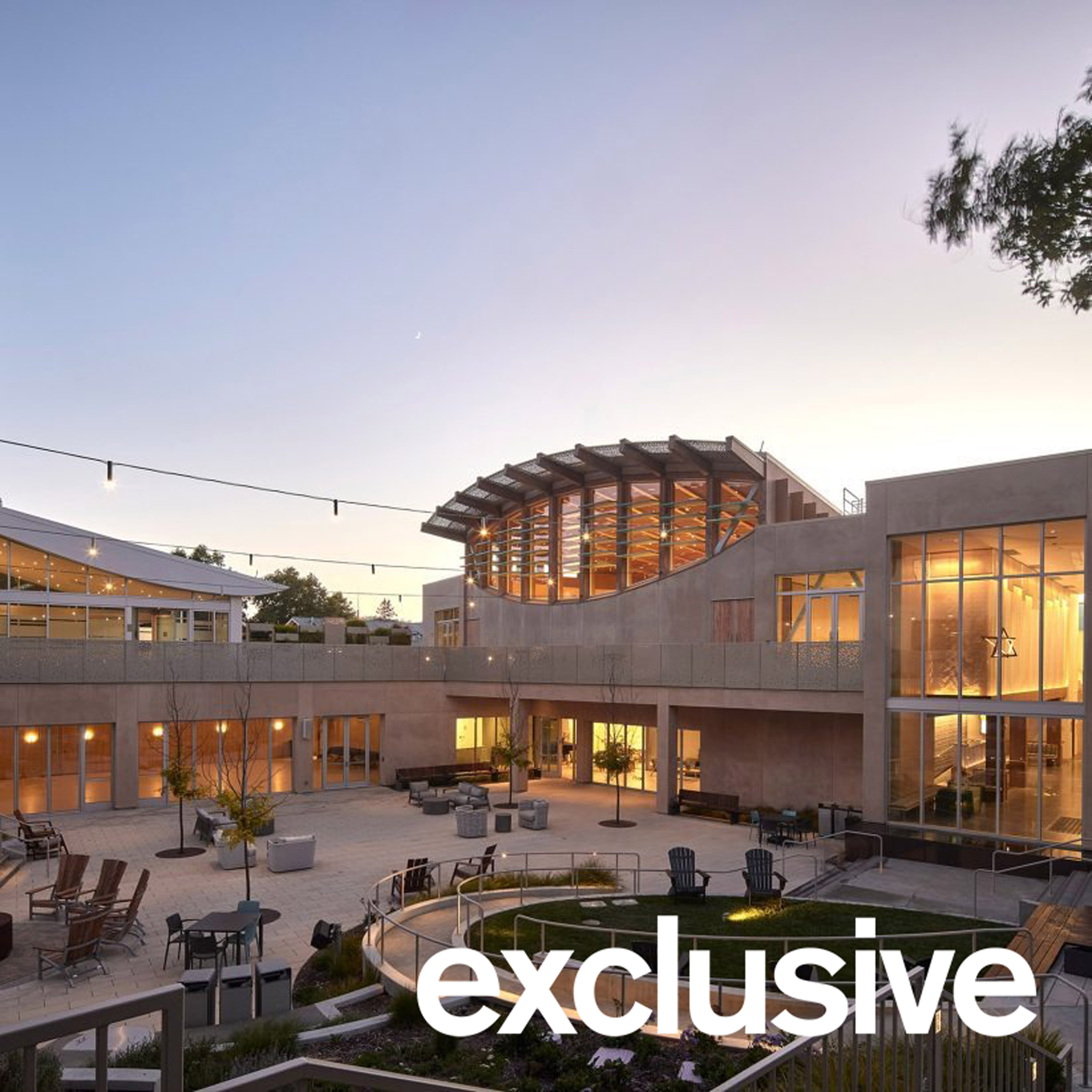
San Francisco-based Herman Coliver Locus Architecture has unveiled a newly completed synagogue in San Rafael, California, designed to integrate with the natural landscape by framing views of the surrounding mountains. This project signifies a notable departure from the previous structure, focusing on openness and connection to nature, which reflects a growing trend in architectural design that prioritizes user experience and environmental harmony.
What Happened
The Congregatio Rodef Sholom synagogue, designed by Herman Coliver Locus Architecture, replaces a former brick building that was described by congregants as "weighty" and "opaque". The new structure is clad in light, sandy stone and features an L-shaped plan centered around a courtyard. The ground floor houses a kitchen, office spaces, a social hall, and a youth lounge, while the second floor includes the sanctuary and Beit Midrash in two distinct sculptural volumes. A grand staircase connects the double-height lobby to the upper-level sanctuary, which boasts a vaulted ceiling clad in timber and a large window offering views of the California forest. The architectural design emphasizes openness and transcendence, aligning with the congregation's desire to feel closer to nature and spirituality.
What This Means for Your Business
For AECM professionals, this project underscores the importance of incorporating natural elements and user-centric designs in new builds and renovations. The synagogue's focus on openness and integration with its environment reflects a broader market demand for spaces that enhance wellness and spiritual connection. Construction firms and architects should consider these aspects when bidding on new projects, as they can be pivotal in winning contracts, especially in sectors that value experiential design. Additionally, firms can benefit from exploring sustainable materials and innovative design solutions that align with clients' values and community needs.
What US Operators Should Watch
As architectural trends continue to evolve, US operators should keep an eye on projects that prioritize sustainable and community-focused designs. Monitoring federal funding opportunities for religious and community infrastructure, as well as staying updated on zoning laws and environmental regulations, will be crucial. Additionally, being aware of deadlines for submitting bids on similar projects can provide strategic advantages in a competitive market.
Source: https://www.dezeen.com/2026/10/06/herman-coliver-locus-congregatio-rodef-sholom-synagogue/. Read the original story ->
Is your firm ready for what’s next?
VisioneerIT helps AECM and government contractors modernize operations, achieve compliance, and implement AI.
Explore VisioneerIT Solutions →