HEBI Robotics has been awarded a NASA Small Business Innovation Research (SBIR) Phase I contract to expedite the development of miniaturized high torque density modular actuators. This initiative is tailored for SmallSats and environments that pose significant challenges, marking a pivotal step in the commercialization of space technologies.
What Happened
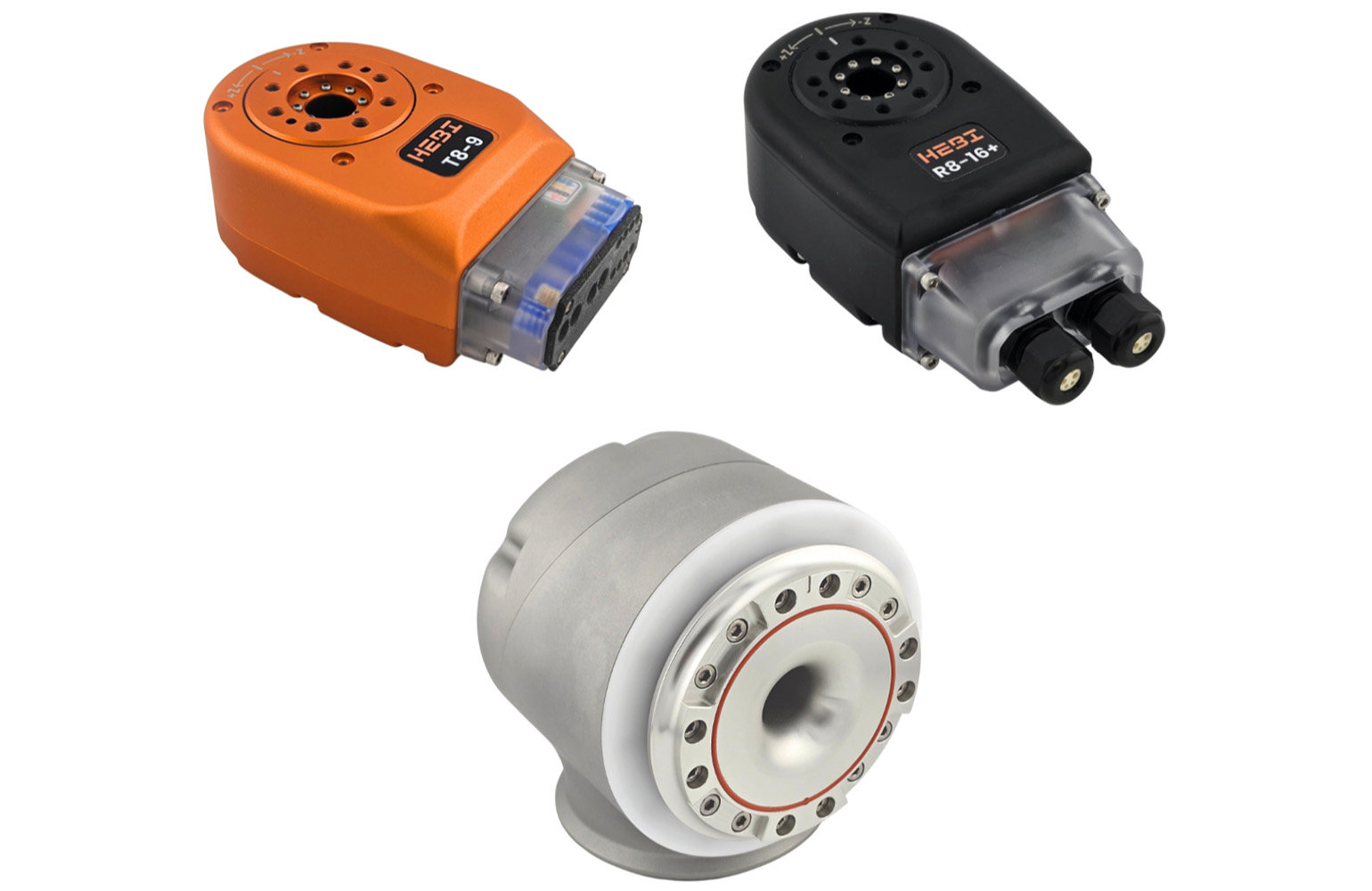
HEBI Robotics, based in Pittsburgh, has secured a NASA SBIR Phase I contract, with a timeline extending through December 2026. This contract is focused on advancing miniaturized actuators that are crucial for applications in CubeSats and other space-constrained environments. These actuators aim to offer a balance between cost-effectiveness and high performance, bridging the gap between hobby servos and custom-designed space robotic systems. The company plans to combine high torque density motors and gearboxes into a compact, mission-ready form, which aligns with NASA's interest in flexible hardware suitable for harsh conditions.
The SBIR Phase I contract is part of a broader strategy by HEBI to innovate in the field of actuation hardware. The company has already established a relationship with NASA, having worked on projects such as the 'Superball' mobile robot. Earlier this year, HEBI Robotics was also awarded a Phase II SBIR contract valued at $850,000 to develop actuation hardware for low Earth orbit (LEO) and geosynchronous Earth orbit (GEO) missions, emphasizing the need for flight-ready technology.
What This Means for Your Business
For businesses in the AECM sector and government contracting, HEBI's advancements present significant opportunities. The development of affordable and reliable actuation systems for space applications could lead to reduced costs and increased accessibility for companies looking to participate in space-related projects. The potential for these actuators to be used in rugged terrestrial environments also opens new avenues for deployment in industries requiring durable and adaptable robotic systems.
The SBIR contract indicates a growing trend towards modular, scalable robotics solutions that can be swiftly integrated into existing systems. This could influence procurement strategies, particularly for firms involved in aerospace and defense, where cost-efficiency and reliability are paramount. Additionally, the collaboration between HEBI and NASA underscores the importance of public-private partnerships in driving technological innovation.
What US Operators Should Watch
Operators should keep an eye on the progression of HEBI's SBIR Phase I project, slated to run until December 2026. This timeline offers a window to evaluate the potential integration of these technologies into future projects. Furthermore, the ongoing development of HEBI's actuation systems, as evidenced by their Phase II SBIR contract, suggests that additional procurement opportunities may arise as these technologies mature.
Companies should also monitor NASA's broader initiatives in flexible robotics hardware, as they may signal emerging trends and regulatory changes in the aerospace sector. Staying informed about these developments can provide a competitive edge in securing contracts and funding opportunities related to space exploration and related fields.
Source: The Robot Report. Read the original story ->
Partner Insight · VisioneerIT
The advancements in actuation hardware for space applications highlight the importance of robust software engineering and digital modernization in the AECM sector. As companies like HEBI Robotics innovate, integrating scalable software solutions will be crucial for adapting to new technologies and maintaining competitive advantage.
Explore VisioneerIT Cybersecurity →
Is your firm ready for what’s next?
VisioneerIT helps AECM and government contractors modernize operations, achieve compliance, and implement AI.
Explore VisioneerIT Solutions →