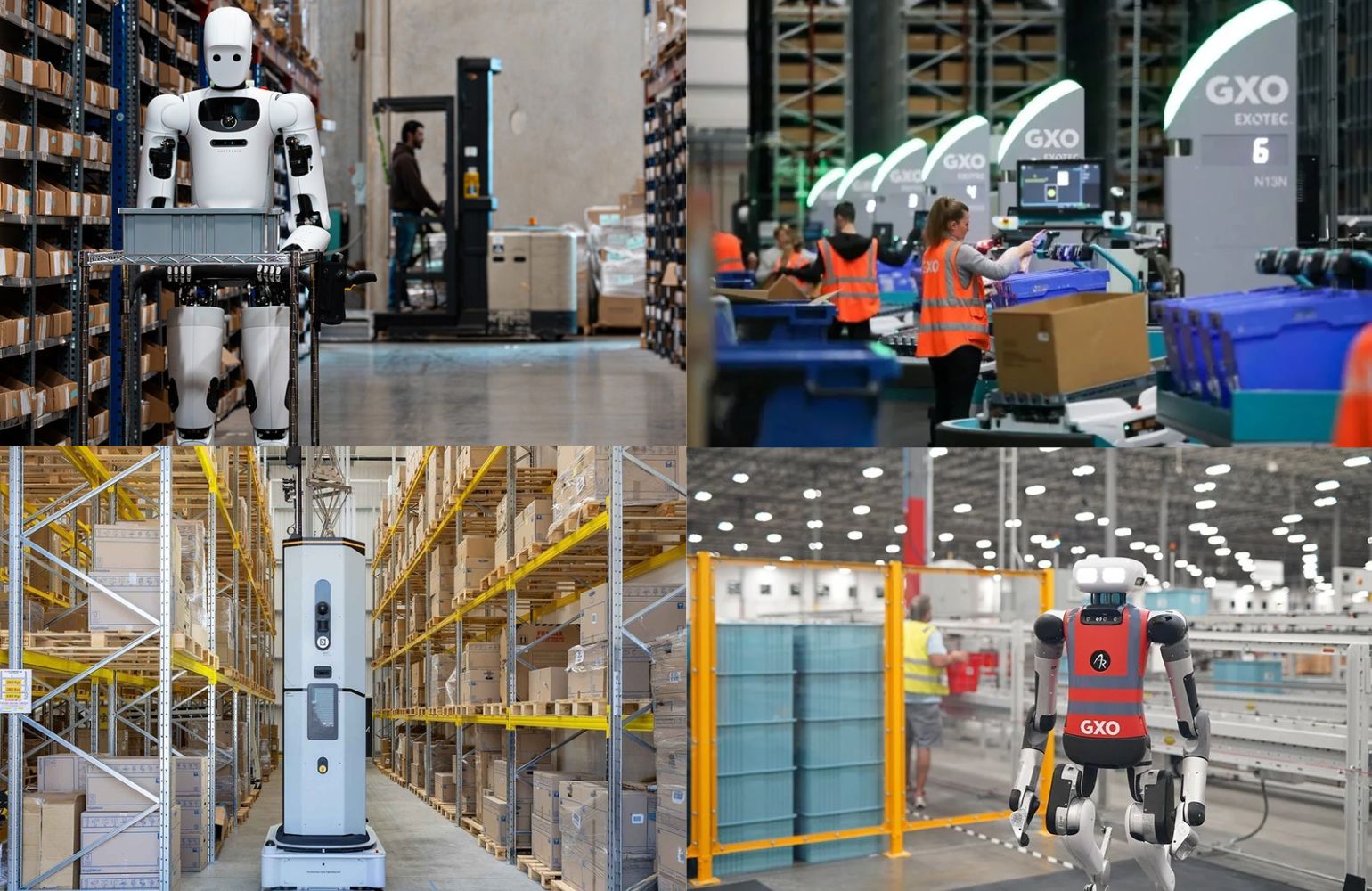
GXO Logistics is set to significantly expand its use of robotics and automation technologies in the United States by 2027, outlining plans for a phased rollout that will begin at priority sites and continue over a 12-month period. The initiative underscores a strategic push to modernize operations across various industries, leveraging advanced robotics to increase efficiency and optimize labor resources.
What Happened
GXO Logistics, a major player in supply chain solutions, announced its plans to accelerate the deployment of adaptive technologies, including pallet AMRs (Autonomous Mobile Robots), robotic arms, AI-enabled vision technologies, and automated sortation systems. This deployment aims to automate repetitive tasks, enhance productivity, and improve service levels across GXO's operations. The company has partnered with several technology providers, including Apptronik and Agility Robotics, to bring humanoid robots into their facilities.
The collaboration with Apptronik is particularly noteworthy, with plans for a global rollout of up to 1,000 Apollo humanoid robots over the next four years. These robots have shown promising results in logistics tasks like kitting, achieving 96% efficiency compared to human benchmarks. Additionally, GXO plans to deploy Agility Robotics' Digit humanoids in North Carolina and Tennessee, after successful trials in Georgia.
What This Means for Your Business
For businesses in the AECM sector and government contracting, GXO's expanded use of robotics represents a significant shift toward automation that could influence industry standards. The deployment of these technologies is likely to streamline operations and reduce labor costs, offering a competitive edge for companies that adopt similar innovations. Moreover, the integration of AI-enabled vision technologies and robotic arms could enhance compliance with procurement regulations and improve inventory management.
Investors and executives should consider the potential ROI from adopting robotics in their operations, as well as the implications for workforce planning. Furthermore, the increased efficiency and optimized labor resources resulting from these technologies could lead to cost savings and improved service delivery.
What US Operators Should Watch
US operators should keep an eye on the timeline of GXO's phased rollout, which is set to begin in 2027 and last 12 months. Monitoring the progress and outcomes of these deployments can provide valuable insights into the effectiveness of robotics in logistics. Additionally, businesses should track the development of partnerships between GXO and technology providers like Apptronik and Agility Robotics, as these collaborations may lead to further advancements in automation technologies.
For those interested in integrating similar technologies, it is crucial to stay informed about federal funding opportunities and any changes in compliance requirements related to robotics and AI in logistics.
Is your firm ready for what’s next?
VisioneerIT helps AECM and government contractors modernize operations, achieve compliance, and implement AI.
Explore VisioneerIT Solutions →