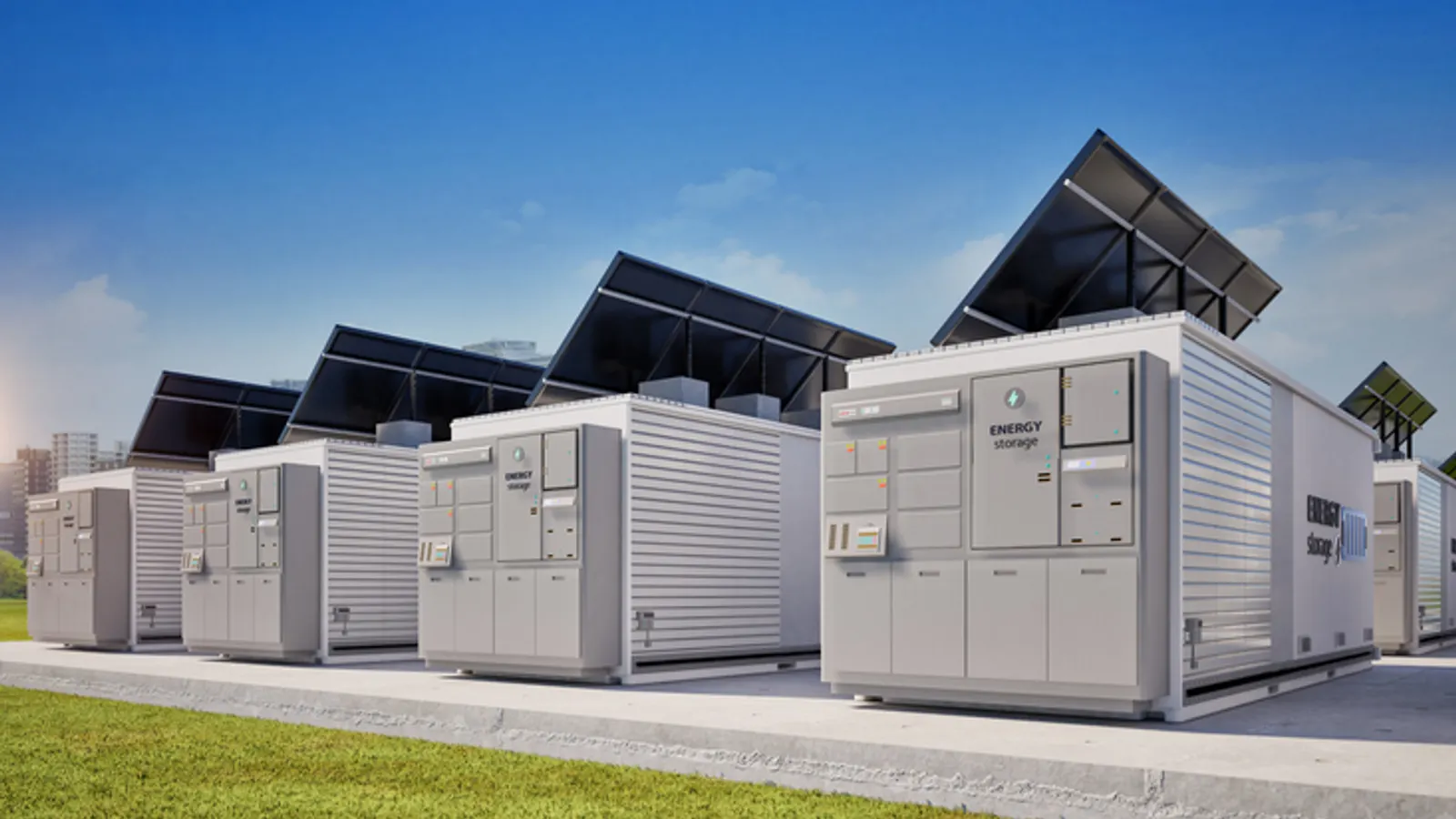
A groundbreaking $1 billion initiative between Google and Xcel Energy is set to establish the world’s largest iron-air battery, projected to generate 30 gigawatt-hours of energy. This ambitious project aims to deliver energy storage at an unprecedentedly low cost, estimated between $33 to $50 per kilowatt-hour.
What Happened
The project spearheaded by Google and Xcel Energy represents a major leap forward in energy storage technology. By utilizing iron-air batteries, the initiative promises to significantly lower costs compared to traditional lithium-ion batteries. These batteries can store energy for up to 100 hours, vastly improving upon the typical 4-hour duration of conventional counterparts. The project's scale and budget underscore the growing commitment to sustainable and cost-effective energy solutions in the construction and facilities management sectors.
Iron-air technology works by using oxygen from the air to convert iron into rust, thereby storing energy. When discharging, the process is reversed, and the rust is converted back into iron, releasing energy. This technological advancement not only reduces costs but also minimizes the environmental footprint, aligning with the global push towards cleaner, renewable energy sources.
What This Means for Your Business
For businesses in the architecture, engineering, construction, and manufacturing (AECM) industries, the implications of this project are profound. The lower cost of energy storage could lead to decreased operational expenses and increased profitability for facilities relying on renewable energy. Additionally, the project sets a precedent for future contracts and procurement processes, highlighting the importance of investing in innovative energy solutions.
Compliance with evolving energy standards will be crucial. As federal regulations continue to emphasize sustainability and efficiency, integrating iron-air battery technology could ensure compliance with initiatives aimed at reducing carbon footprints. Moreover, this project might pave the way for new federal funding opportunities, particularly for those looking to implement similar technology in their operations.
What US Operators Should Watch
Industry professionals should keep an eye on the project’s development timeline and any related procurement windows. The successful implementation of this technology could trigger a wave of similar projects, opening up opportunities for collaboration and investment. Additionally, monitoring changes in federal regulations and compliance deadlines related to energy storage and sustainability will be essential for staying competitive in the market.
Is your firm ready for what’s next?
VisioneerIT helps AECM and government contractors modernize operations, achieve compliance, and implement AI.
Explore VisioneerIT Solutions →