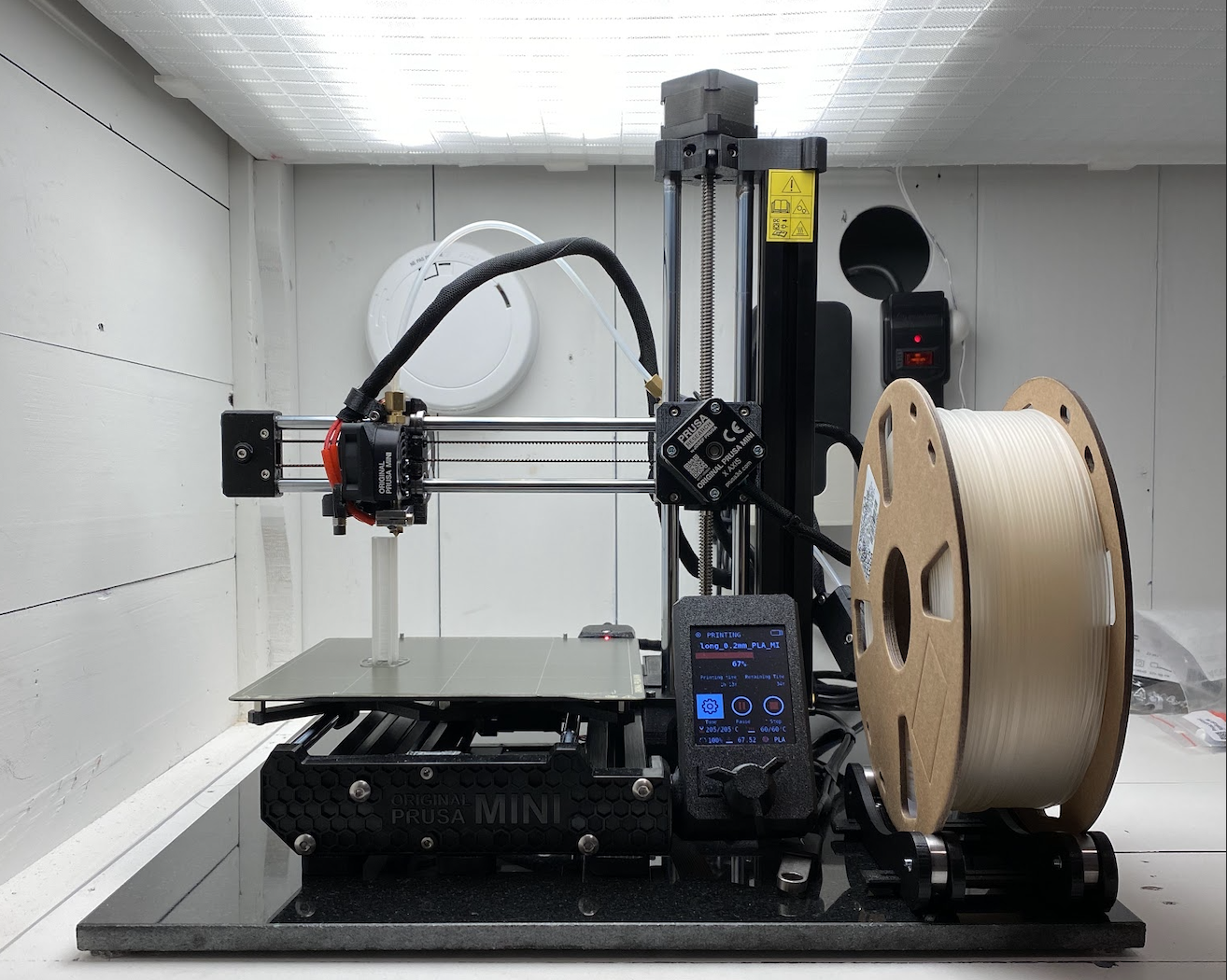
Ginkgo Bioworks is revolutionizing laboratory science through its $47 million autonomous lab project at the Environmental Molecular Sciences Laboratory, part of the Pacific Northwest National Laboratory. With over 100 robots operating continuously, this initiative underscores the growing importance of AI and automation in scientific research.
What Happened
Ginkgo Bioworks, a leader in synthetic biology, is scaling up its autonomous laboratory infrastructure significantly. At its Nebula facility, touted as the world's largest autonomous laboratory, more than 100 robots are running experiments 24/7. These efforts are part of a broader $47 million project to develop an autonomous lab for the Environmental Molecular Sciences Laboratory at Pacific Northwest National Laboratory. The project will feature 97 instruments, further embedding Ginkgo's automation technology in scientific research.
This expansion is not an isolated effort. Ginkgo is also involved in a government-backed initiative to build a national network of AI-enabled cloud labs. This includes collaborations with institutions like Caltech, Northwestern University, and the University of Maryland, supported by the National Science Foundation's $400 million initiative. Additionally, the White House's $5 billion Genesis Mission emphasizes investments in autonomous laboratories using robotics and AI.
What This Means for Your Business
The surge in autonomous labs offers significant opportunities for AECM and government contractors. Ginkgo's advancements highlight the shift towards AI-driven infrastructure, which can replace traditional laboratory work with continuous, automated experiments. This shift can lead to substantial cost savings and operational efficiencies. For instance, Ginkgo's new ADME-One offering is reportedly 10 times cheaper than competitors, potentially transforming the economics of pharmaceutical research.
For businesses involved in construction and engineering, the development of these high-tech laboratories presents new contracts and procurement avenues. The demand for specialized infrastructure to house and support autonomous systems is likely to grow, opening up markets for those who can provide innovative solutions that meet these advanced technological needs.
What US Operators Should Watch
With the federal push towards AI-enabled labs, operators should keep an eye on upcoming funding opportunities and deadlines related to the National Science Foundation and the Genesis Mission. Additionally, as Ginkgo continues to expand its automated services, there may be upcoming procurement windows for new technologies in nanoscale chemistry and biochemical screening.
The integration of AI in laboratory settings is expected to accelerate, with Ginkgo leading the charge. Businesses should prepare for compliance requirements and potential partnerships that could arise from these advancements. As Ginkgo's infrastructure matures, the potential for new business models and competitive strategies will become more pronounced.
Source: https://pulse2.com/ginkgo-bioworks-100-robots-run-experiments-around-the-clock-as-47-million-autonomous-lab-build-advances/. Read the original story ->
Is your firm ready for what’s next?
VisioneerIT helps AECM and government contractors modernize operations, achieve compliance, and implement AI.
Explore VisioneerIT Solutions →