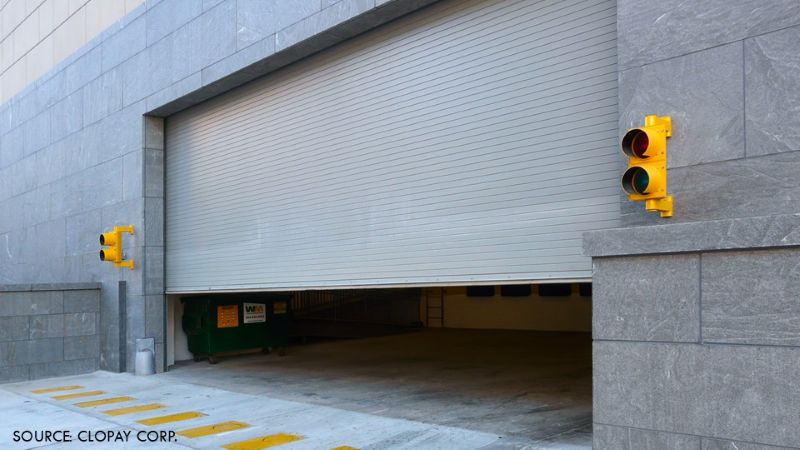
Owners should consider future operational needs when specifying doors, ensuring long-term value and performance.
What Happened
Contractors and specifiers often adhere to baseline specifications for commercial rolling or sectional doors, focusing on structural, thermal, and fire safety requirements. However, these specifications typically address immediate needs rather than long-term operational value. As facilities evolve, doors may experience increased usage, potentially shortening their lifespan if not specified correctly from the outset. For instance, a standard cycle rating of 25,000 may suffice initially but could fall short as operations expand, necessitating higher cycle ratings of 50,000 to 75,000 cycles—or even 100,000 for extreme cases. Additionally, corrosion protection tailored to specific environments ensures durability, especially in coastal or industrial settings. Strategic specification of high-performance springs or springless designs can significantly reduce maintenance costs and downtime, offsetting higher initial investments.
What This Means for Your Business
For AECM professionals, understanding the implications of initial door specifications on lifecycle costs is crucial. By advising clients to invest in higher cycle ratings and appropriate corrosion resistance, contractors can enhance facility operations and reduce long-term expenses. This approach not only ensures client satisfaction but also minimizes unexpected operational disruptions. With federal procurement focusing increasingly on sustainability and lifecycle value, aligning door specifications with future operational demands could provide a competitive edge in bidding processes.
What US Operators Should Watch
Facility managers and procurement officers should monitor operational changes that may affect door usage. Anticipating these needs can justify upgrades to higher cycle ratings or corrosion-resistant materials. As government contracts increasingly emphasize sustainability, aligning with these specifications can position businesses favorably for upcoming federal projects. Regular audits of facility needs and aligning them with door specifications can also ensure compliance with evolving industry standards and regulations.
Is your firm ready for what’s next?
VisioneerIT helps AECM and government contractors modernize operations, achieve compliance, and implement AI.
Explore VisioneerIT Solutions →