A renewed focus on energy efficiency in building design is prompting a closer examination of walk doors—once overlooked components in the thermal performance of metal buildings. As energy costs rise and climate objectives tighten, understanding the nuances of door U-factors is crucial for AECM professionals.
What Happened
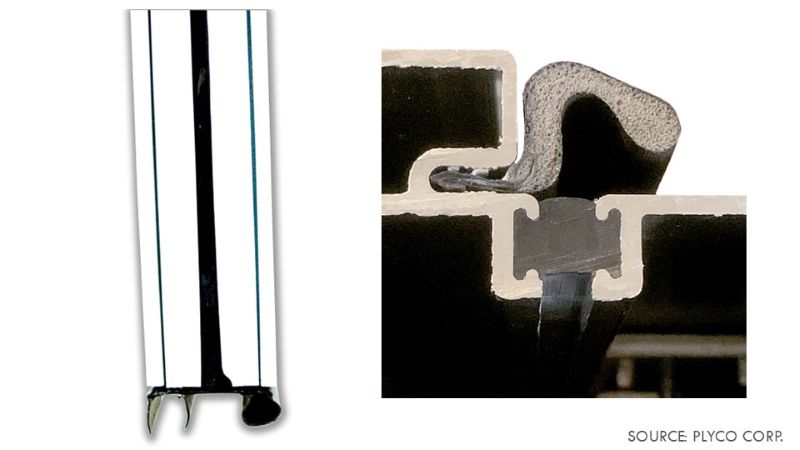
The construction industry is seeing a shift in how walk doors are evaluated, with an emphasis on their thermal performance. Historically, there has been a misconception that most walk doors are similar and therefore do not require detailed scrutiny. However, industry insights reveal that door construction elements, such as the core material and thermal breaks, significantly impact energy efficiency. Typical exterior doors with a styrene core offer an R-value between 4 to 6, while advanced doors with a poured-in-place polyurethane core can achieve R-values as high as 12 to 13. This shift is underpinned by standards like ANSI/NFRC 100 and ASHRAE 90.1, which provide benchmarks for evaluating thermal performance and help in compliance with energy codes.
What This Means for Your Business
For U.S. operators in the AECM sector, understanding and leveraging the thermal performance of walk doors can lead to substantial energy savings and compliance with federal energy standards. By selecting high-performance doors with strong U-factors, businesses can reduce the R-value requirements of surrounding walls, potentially lowering material costs. Moreover, integrating these doors into building designs can enhance competitive positioning by meeting or exceeding energy efficiency mandates, such as those outlined by the Department of Energy’s REScheck and COMcheck systems. Procurement teams should seek third-party verified performance data to ensure products meet rigorous standards, which is becoming increasingly critical as energy regulations tighten.
What US Operators Should Watch
Key dates and standards are crucial for decision-makers in the construction industry. The ANSI/NFRC 100 standard and ASHRAE 90.1 provide vital guidelines for evaluating door systems, with specific U-factor requirements for different climate zones. Staying informed about updates to these standards and understanding the implications of federal energy efficiency programs like REScheck and COMcheck will be essential for compliance and competitive advantage. Operators should also be aware of upcoming deadlines for energy efficiency certifications and audits to ensure timely compliance and maximize available incentives.
Source: https://www.metalconstructionnews.com/articles/trade-smarts-a-look-at-walk-door-u-factor/. Read the original story ->
Is your firm ready for what’s next?
VisioneerIT helps AECM and government contractors modernize operations, achieve compliance, and implement AI.
Explore VisioneerIT Solutions →