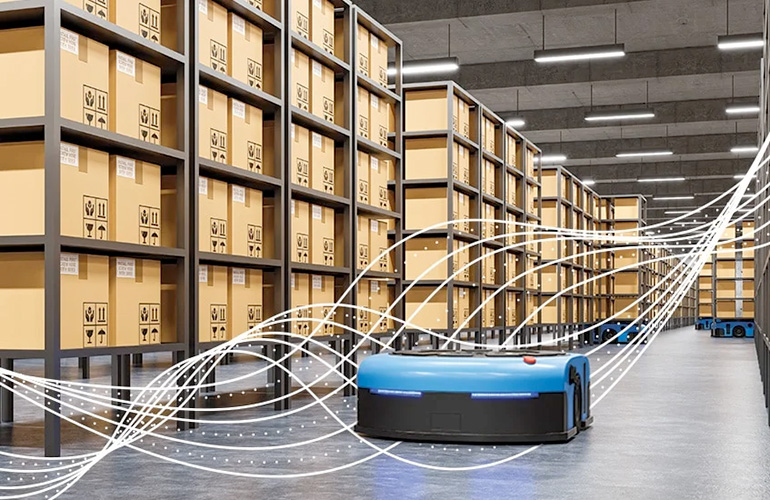
Flex and Teradyne Robotics have expanded their partnership to accelerate the deployment of physical AI and intelligent robotics across the manufacturing sector. This collaboration establishes a dual-track strategy where Flex not only manufactures Teradyne’s core robotics components but also serves as a primary testing ground. The companies aim to streamline the adoption of collaborative robots and autonomous mobile robots (AMRs) from Teradyne's units Universal Robots and Mobile Industrial Robot, respectively. This move signals a strategic shift from traditional hardware support towards the front lines of physical AI, blurring the lines between robot manufacturer and end user.
What Happened
Flex and Teradyne have a history of over 20 years working together in semiconductor equipment delivery on a global scale. The expansion of their partnership into robotics and intelligent automation builds on this foundation, combining Teradyne’s cutting-edge robotics technologies with Flex’s advanced manufacturing capabilities and global reach. Flex will deploy Teradyne's cobots and AMRs in its production facilities worldwide, aiming to enhance operational efficiency. With over 100 facilities in 30 countries, Flex is positioned to manage critical power and compute requirements for global data centers. This partnership will focus on solving power, heat, and scale challenges with advanced power and cooling technology and scalable IT infrastructure.
Why It Matters for the AECM Industry
For the AECM industry, this partnership represents a significant advancement in operational efficiency and automation. The integration of physical AI into manufacturing processes can reduce labor costs, increase production speed, and improve quality control. As Flex and Teradyne address the challenges of scaling robotics, they set a precedent for other companies in the industry to follow. The successful implementation of these technologies can lead to more consistent global operations and could influence future industry standards and practices. Moreover, the ability to deploy and scale intelligent automation is crucial for companies looking to stay competitive in a rapidly evolving market.
What's Next
The next steps in this partnership involve continuous real-world deployment of robotics technologies to provide operational feedback and validate these technologies at scale. This will enable faster replication of successful automation workflows. Industry professionals should watch for updates on how these deployments affect global manufacturing processes and whether they lead to broader adoption of similar technologies. Additionally, any advancements in power and cooling technology resulting from this partnership could have significant implications for data center infrastructure and management.
Is your firm ready for what’s next?
VisioneerIT helps AECM and government contractors modernize operations, achieve compliance, and implement AI.
Explore VisioneerIT Solutions →