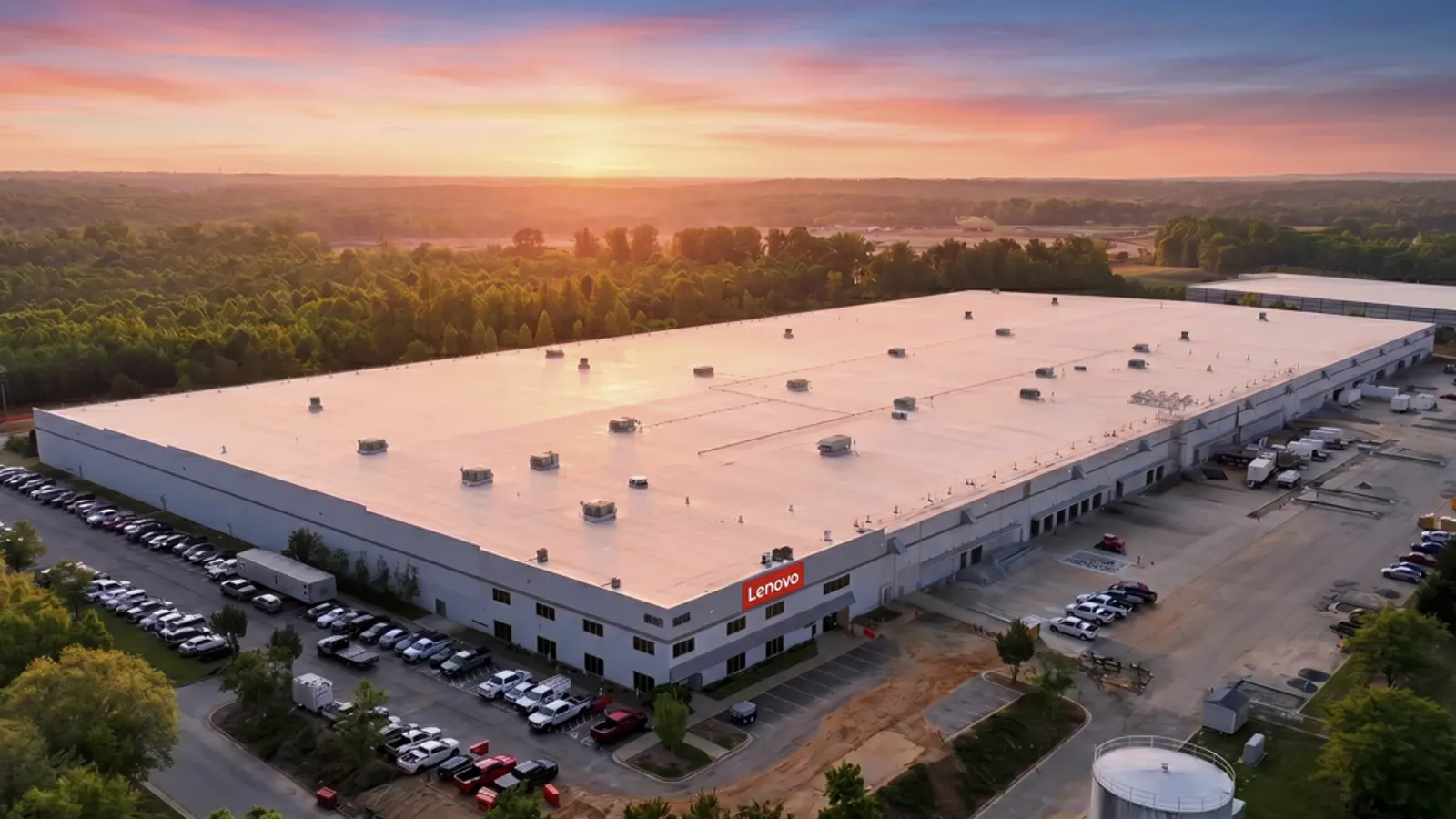
Lenovo is doubling its manufacturing capacity in the United States and commencing production at its new facility in Saudi Arabia. This strategic expansion comes as the technology giant navigates through the challenges posed by the global semiconductor shortage and looming tariff threats.
What Happened
Lenovo, the world’s largest PC maker, is ramping up its manufacturing capabilities in response to ongoing supply chain disruptions and geopolitical uncertainties. The company has announced a significant increase in its U.S. manufacturing capacity, doubling its production capabilities to better serve the North American market. Additionally, Lenovo has started operations at its new manufacturing campus in Saudi Arabia, marking a strategic move to enhance its regional production footprint. These expansions are part of Lenovo’s broader strategy to mitigate risks associated with the global chip shortage and potential tariff increases that could impact its supply chain.
The decision to expand in the U.S. aligns with Lenovo's efforts to localize production and reduce dependency on long-distance supply chains, which have been heavily strained during the COVID-19 pandemic. By increasing its domestic manufacturing capacity, Lenovo aims to ensure a more stable supply of its products to meet the rising demand in the region.
What This Means for Your Business
For AECM professionals and government contractors, Lenovo’s expansion presents both opportunities and challenges. The increased manufacturing capacity in the U.S. may lead to improved availability and potentially faster lead times for technology products, which are critical for project management and operational efficiency. Companies involved in construction and engineering could benefit from more reliable access to Lenovo's computing solutions, aiding in the seamless execution of projects.
From a procurement perspective, the localization of production could mean more stable pricing and reduced exposure to international tariff fluctuations. This move may also align with compliance and sustainability goals, as local manufacturing often results in lower carbon footprints and adherence to U.S. regulatory standards. Organizations should assess their supply chain strategies and consider leveraging Lenovo’s expanded capabilities to enhance their competitive positioning.
What US Operators Should Watch
Decision-makers in the AECM sector should monitor Lenovo’s manufacturing timelines and capacity increases to better anticipate supply chain adjustments. Staying informed about the semiconductor market developments and potential tariff changes is crucial, as these factors could influence procurement strategies and project budgets.
Additionally, companies should track Lenovo’s engagement in regional manufacturing initiatives, which may present partnership opportunities or influence broader industry trends in localization and supply chain resilience. Understanding these dynamics will be key for businesses aiming to optimize their operations and maintain a competitive edge in the evolving market landscape.
Is your firm ready for what’s next?
VisioneerIT helps AECM and government contractors modernize operations, achieve compliance, and implement AI.
Explore VisioneerIT Solutions →