In the rapidly evolving landscape of artificial intelligence (AI), data centers are at the forefront, necessitating robust fire protection systems that do not compromise the integrity of critical infrastructure. As AI data centers increasingly integrate lithium-ion batteries into their systems, the challenge of balancing effective fire suppression with the avoidance of water damage becomes more complex and urgent.
What Happened
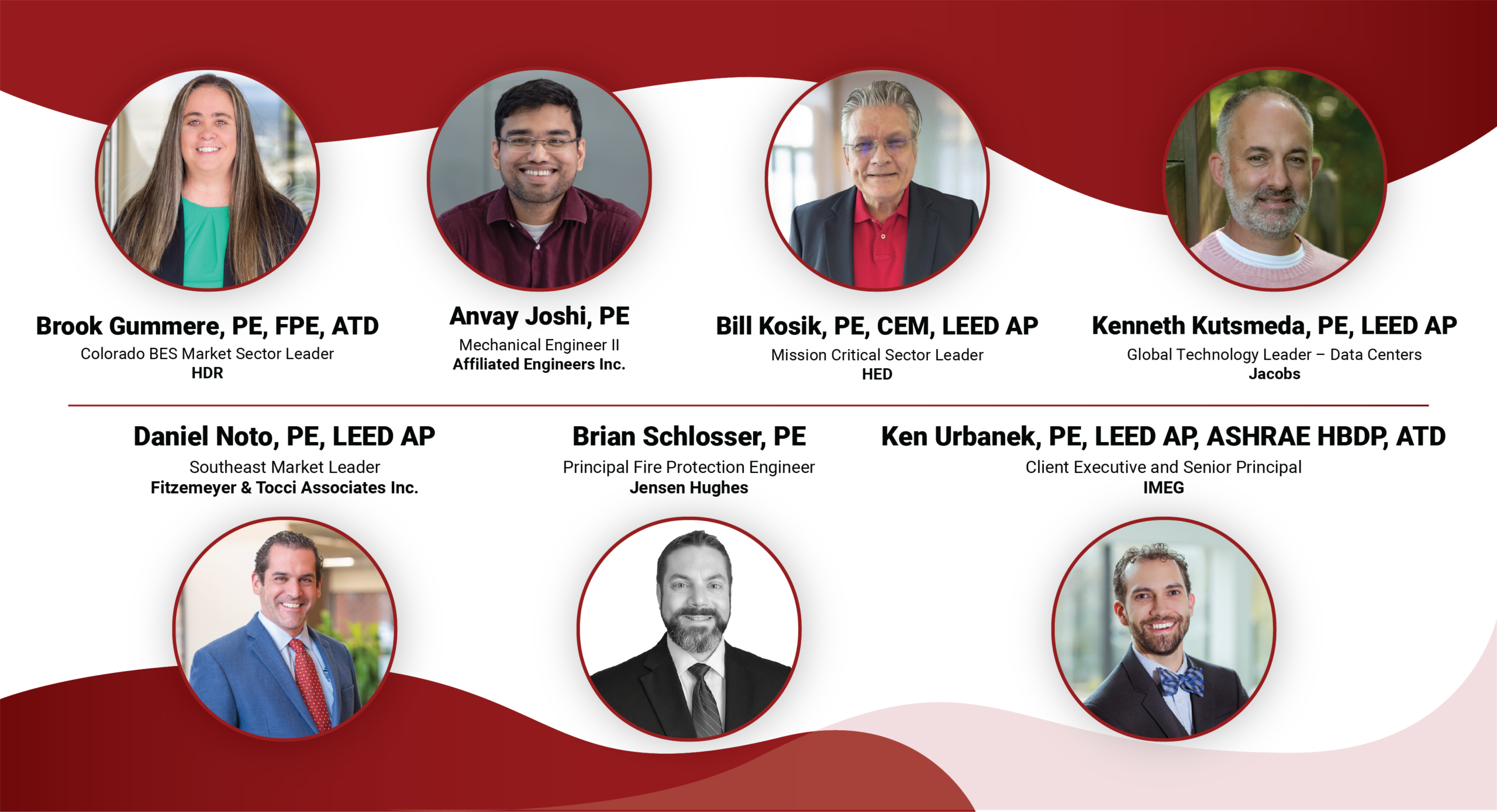
The May/June 2026 roundtable conducted by Consulting-Specifying Engineer highlighted the evolving fire protection challenges faced by AI data centers. Engineers such as Brook Gummere from HDR, Brian Schlosser from Jensen Hughes, and Ken Urbanek from IMEG discuss the intricacies of designing fire and life safety systems that meet strict compliance standards while protecting sensitive equipment from water damage. The use of lithium-ion batteries in uninterruptible power supplies (UPS) and battery energy storage systems (BESS) has introduced new fire risks, including overheating, off-gassing, and thermal runaway, which can lead to fires and explosions. These issues necessitate enhanced fire detection, suppression, and explosion control strategies.
Data center fire protection is further complicated by the International Building Code (IBC), which restricts the use of alternative suppression systems in certain areas. This limits the ability to classify buildings as fully sprinklered, thus affecting potential code exceptions related to building size, travel distances, and fire separation reductions. For small server rooms, clean agents are often used, backed by dry, double-interlock sprinkler systems. However, for large data centers, these systems are impractical, making dry sprinkler systems the standard despite concerns from insurance companies about system failure and delayed water release.
What This Means for Your Business
For businesses operating or investing in AI data centers, understanding these fire protection challenges is crucial. Compliance with evolving fire codes, particularly concerning lithium-ion UPS systems, can impact project timelines and costs. Early integration of these requirements into the design phase can prevent costly retrofits and project delays. Furthermore, the choice of detection systems, such as Very Early Smoke Detection Apparatus (VESDA) or linear heat detection, can influence maintenance requirements and the risk of false alarms. Given the scrutiny from insurance entities, it is
Is your firm ready for what’s next?
VisioneerIT helps AECM and government contractors modernize operations, achieve compliance, and implement AI.
Explore VisioneerIT Solutions →