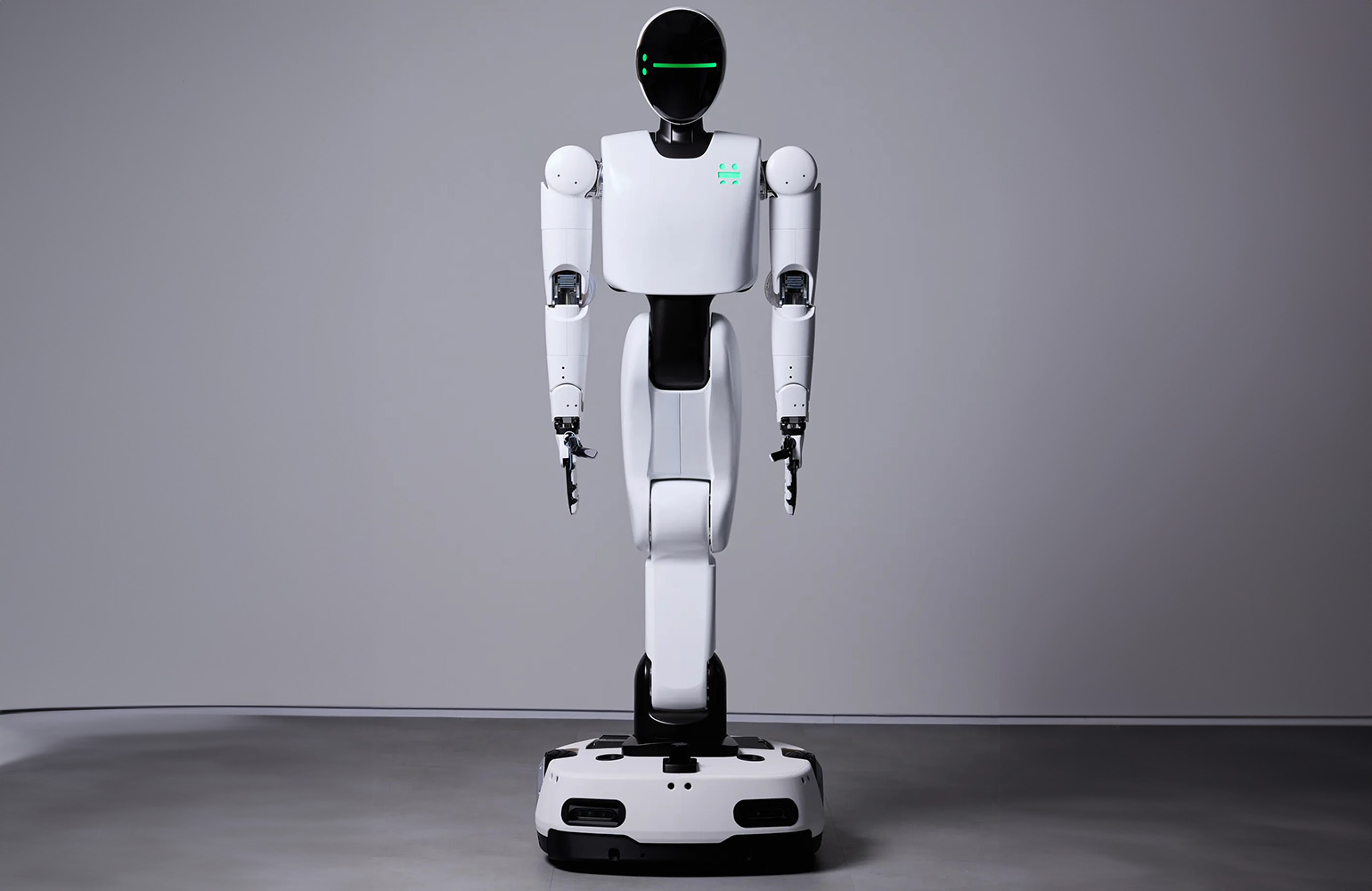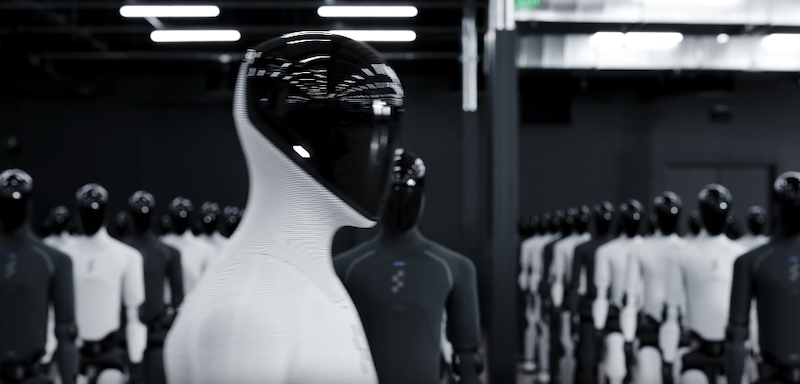
Figure AI has announced a significant milestone in the production of its Figure 03 humanoid robots, increasing output from one unit per day to one unit per hour in just under 120 days. This leap in manufacturing capability is a major development in the humanoid robotics field, where scaling production has historically been a formidable challenge.
What Happened
Figure AI's BotQ manufacturing facility has achieved a 24-fold increase in its production throughput, marking a pivotal shift for the company. Previously capable of producing only one humanoid robot per day, the facility now manufactures one robot per hour. As of the announcement, over 350 third-generation humanoid robots have been produced, alongside more than 9,000 actuators across ten different SKUs. This achievement underscores the company's ability to transition from research and development to scalable production, a critical step for any robotics company aiming to move beyond prototype demonstrations.
Scaling production involved developing custom manufacturing execution software to manage over 150 networked workstations, improving yield rates, and enhancing supplier quality. The company has implemented more than 50 in-process inspection points and over 80 end-of-line functional verification tests. Their rigorous testing includes extensive "burn-in" exercises, with robots performing repeated squats, jogging, and shoulder press motions. These stress tests are designed to simulate long-term use and ensure reliability.
Why It Matters for the AECM Industry
For the architecture, engineering, construction, and manufacturing sectors, the implications of this development are profound. The ability to produce humanoid robots at scale opens new possibilities for automation in environments previously deemed too complex for traditional machines. These robots could be deployed in hazardous construction sites, manufacturing plants requiring intricate assembly tasks, or even in facilities management roles, performing maintenance and inspections.
The increase in production also suggests a potential reduction in costs, making humanoid robots more accessible to a broader range of industries. As robots become more affordable, companies could invest in automated solutions to increase efficiency, reduce human
Partner Insight · VisioneerIT
The breakthrough in humanoid robot manufacturing by Figure AI highlights the importance of scalable software solutions in production environments. VisioneerIT specializes in developing custom software that enhances manufacturing efficiency and supports digital transformation.
Explore VisioneerIT Software Solutions →
Is your firm ready for what’s next?
VisioneerIT helps AECM and government contractors modernize operations, achieve compliance, and implement AI.
Explore VisioneerIT Solutions →